
Dagmawi S Mikael
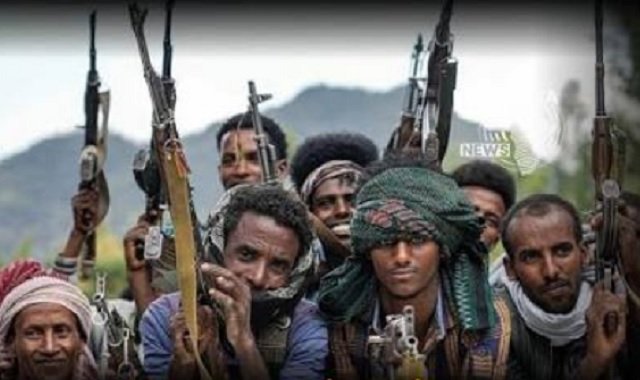
Ethiopia has entered a perilous and potentially transformative phase. Seven armed groups spanning disparate regions, including former battlefield adversaries like elements of the Tigray Peoples Liberation Front and Amhara Fano militias alongside groups such as the Oromo Liberation Army, have declared a broad coalition aimed at toppling Prime Minister Abiy Ahmeds government and installing an inclusive transitional administration. That groups with historically antithetical regional agendas have found common ground highlights a stark political reality: opposition to Addis Ababa has evolved from localized resistance into a coordinated, multi front challenge to the regime.
This alliance reflects a profound fragmentation of the state. The Amhara region remains consumed by a relentless insurgency, significant swathes of Oromia continue to face armed conflict, and fragile peace agreements in Tigray face mounting strain. Far from consolidating stability, the federal government finds itself managing a theater of simultaneous insurgencies.
At the core of this crisis lies Prime Minister Abiy governing philosophy. Upon taking office in 2018, Abiy promised a departure from the repressive ethno federalism of the past. Yet, his political project, crystallized in the Prosperity Party, has increasingly favored strict political centralization and the concentration of executive power.
While previous regimes operated through coalitions of ethnically based regional vanguards dominated by Tigrayan elites, Abiy has reconfigured that power structure. The ruling architecture is now a one man autocracy that relies heavily on a network of Oromo political allies and personal loyalists embedded within national defense forces, intelligence services, and the bureaucracy. In essence, while the identity of the ruling elite has shifted, the central logic of statecraft remains unchanged: central command, elite control, and top down dominance.
To sustain this model, the state apparatus has increasingly resorted to authoritarian methods. Opposition figures face arbitrary detention including members of the parliament, journalists and media personnel are held incommunicado, independent newsrooms are raided, and civil society operates under pervasive intimidation. Human rights monitoring throughout 2026 confirms a systemic tightening of state control over public discourse.
This is not merely a contraction of democratic space; it is the deployment of repression as a primary instrument of governance. When peaceful political opposition is criminalized, media outlets are silenced, and dissenting voices are forced into obscurity, a government does not build authority. It substitutes coercion for consent.
This distinction highlights the regimes fundamental vulnerability. A state can command the military, control the bureaucracy, and dominate the airwaves, but no state mechanism can manufacture political legitimacy. Security forces can compel compliance and enforce temporary silence, but they cannot secure genuine public allegiance.
When peaceful, legal avenues for political contestation are systematically dismantled, opposition does not vanish; it adapts. It migrates from civil society into clandestine networks, from public discourse into street protests, and ultimately, from political debate onto the battlefield. The emergence of a broad anti government military coalition is the direct outcome of a political system that has closed its doors to meaningful compromise.
The more the federal government relies on military force and political exclusion to maintain control, the more it reinforces its opponents central argument: that state power is being exercised not to govern a diverse federation, but to preserve the supremacy of a ruling enclave. A state cannot indefinitely govern a deeply divided nation through security measures alone. Command without consent may preserve power in the short term, but it cannot solve a crisis of legitimacy.
Cheers!!
Editor’s Note: Views in the article do not necessarily reflect the views of borkena.com
__
Join our Telegram Channel: t.me/borkena
Like borkena on Facebook
To submit a press release, send the submission to info@borkena.com
Add your business to Ethiopian Business Listing / Ethiopian Business Directory
Join the conversation. Follow us on X (formerly Twitter) @zborkena to get the latest Ethiopian news updates regularly.