
By Staff Writer
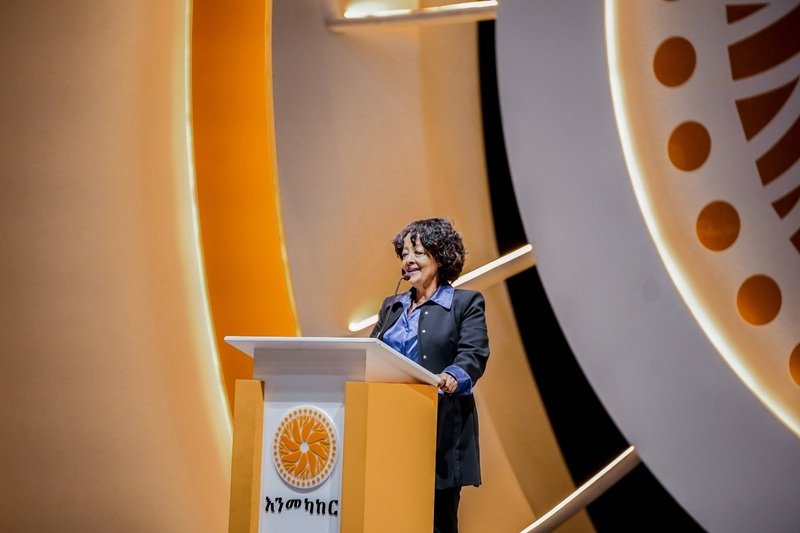
(NAIROBI, Kenya) — The National Dialogue Assembly formally concluded after 38 days of deliberations since opening on July 16, 2026. Senior officials attended the closing ceremony, including President Taye Atskeselassie, IGAD Executive Secretary Workneh Gebeyehu, and former Kenyan President Uhuru Kenyatta.
Delegates generated 400 recommendations across eight primary agendas, 96 sub-agendas, and 225 guiding questions. While participants reached broad consensus on most matters, four significant issues remained without unanimous agreement and were forwarded as dissenting positions.
Mediation Committee Proposal on Addis Ababa
To address a formal complaint submitted by the Oromia Region delegation, a mediation committee reviewed the disputes on the capital’s status. The committee proposed inserting a constitutional provision establishing “Addis Ababa as the capital of Oromia Region.” It also recommended altering the earlier group consensus term describing the city as “part of the federal government” to Federal ” jurisdiction.”
Commissioner Yonas Adaye presented the mediation panel’s findings before 4,000 assembly delegates. While the National Dialogue Commission has not confirmed which specific recommendation option it will adopt, officials stated they will review the proposals and select measures that serve the national interest.
Four Points of Disagreement
Deputy Commissioner Hirut Gebreselassie confirmed that despite widespread consensus across most thematic tracks, delegates submitted differing positions on four major agendas:
- National Flag: Retaining the current emblem versus modifying it to represent multinational diversity.
- System of Governance: Adopting a parliamentary system with a president elected by parliament (supported by the majority) versus a presidential system with a directly elected president (supported by a minority).
- Status of Addis Ababa: Defining its official administrative and constitutional relationship with the Oromia Region.
- Representation and Inclusiveness: Noting that opposition groups, including armed ones, did not take part in the national dialogue conference, and the Tigray region lacked representation.
Delegates reached agreement on several social, religious, and economic proposals:
- Religious Policy: Restricting social media access for children under 16, adding Irreecha and Pentecost celebrations to the national calendar, establishing legal frameworks for non-governmental religious organizations, and granting Seventh-day Adventists work and examination exemptions on Saturdays.
- Socio-Economic Policy: Reclassifying land ownership as government, private, and communal property; instituting a national minimum wage; conducting a population census every decade; providing free sanitary products in schools; and involving business owners in tax assessment processes.
- National Anthem: Maintaining the current anthem while revising lyrics identified as having negative connotations for certain regions.
President Taye Atskeselassie thanked the delegates and confirmed that the finalized recommendations will be submitted to appropriate government bodies for review and implementation.
__
Join our Telegram Channel: t.me/borkena
Like borkena on Facebook
Join the conversation. Follow us on X (formerly Twitter) @zborkena to get the latest Ethiopian news updates regularly. Subscribe to the YouTube channel. To share information or for submission, email info@borkena.com
If it were to my wishes, I will place a photo of the black-maned lion at the center of the flag unless it is already taken by other countries. I have another one but I am holding that back for now for worrying about these misogynists will be all over my case. If I am allowed to have my ways I would put the image of that fire spitting and still peerless skillful diplomat Taytu right at the heart of the new flag. I had told you not to start with me about that woman. If you do, I’m gonna talk about her spoils and diplomatic accomplishments nonstop until your misogynist ears goes deaf.
Hurrah! The National Dialogue Convention is over in a civilized manner. I look forward the details of what was agreed upon and where differences remained. The differences should be looked at by future representative group and sorted out in the same civil manner.