
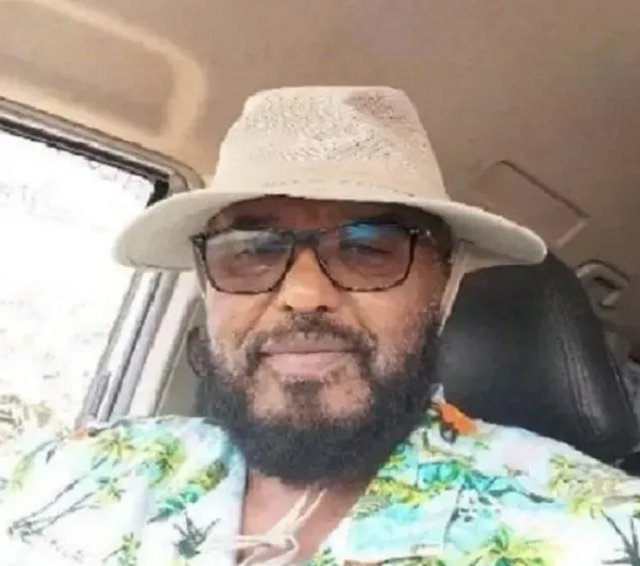
Jaalle Abdi Ali Barkhad
Somaliland
Since assuming office seven months ago, His Excellency Abdirahman Mohamed Abdillahi, President of the Republic of Somaliland, has not yet made an official visit to Ethiopia—an omission that has sparked concern and curiosity across the nation. For many Somalilanders, Ethiopia represents not just a neighboring country but a long-standing partner, with decades of diplomatic, economic, and cultural ties. The delay in such a symbolic and strategic visit has raised questions about the current state and future trajectory of the relationship between these two historically close allies.
A Relationship Rooted in History and Mutual Respect
Somaliland and Ethiopia have maintained uninterrupted diplomatic relations for over forty years, cemented by mutual respect and shared strategic interests. Ethiopia has established a fully operational embassy in Hargeisa, an exceptional recognition in the region, while Somaliland also maintains a fully operational embassy in Addis Ababa. These institutional presences speak volumes about the level of trust and coordination that have historically defined this relationship.
Moreover, the ease with which Somaliland citizens can travel to Ethiopia using their Somaliland passports is a powerful gesture of goodwill. It facilitates not just personal mobility but also trade, commerce, education, and medical access, making Ethiopia an essential economic and logistical partner for many Somalilanders.
The Urgency Behind the Visit
In today’s rapidly evolving regional environment, where geopolitical interests are shifting and neighboring countries such as Djibouti are increasingly active in the Horn of Africa’s political chessboard, Somaliland cannot afford a posture of diplomatic inertia. Ethiopia, given its geopolitical weight and its proximity, holds significant sway in shaping regional alliances. A high-level visit by our president would reaffirm Somaliland’s proactive role in regional diplomacy and reestablish momentum in the bilateral agenda.
More specifically, the unresolved status of the Memorandum of Agreement (MOA), a framework expected to chart the future of Somaliland-Ethiopia cooperation, has become a source of public frustration. This agreement, which was welcomed with enthusiasm by many Somalilanders, now lingers in bureaucratic limbo. Its delay has eroded confidence in the seriousness of both governments to fulfill their promises of mutual collaboration.
Public Perception and Political Expectations
In Somaliland, public sentiment is increasingly tinged with anxiety and uncertainty. Many citizens reflect on the tradition established by former presidents, who made it a priority to visit Addis Ababa shortly after taking office, symbolizing a commitment to fostering regional ties. In stark contrast, the current administration’s silence on diplomatic matters and the apparent stagnation in relationships with neighboring Ethiopia are viewed as not merely missed chances but as a troubling departure from a long-standing practice of proactive presidential diplomacy.
The question looms large: which side is responsible for this slow unraveling of relations? The lack of meaningful engagement comes at a precarious moment, when the government’s constituents yearn for clarity, reassurance, and a clear vision for the future. The government faces a pressing need to address this growing disquiet among the populace. To rebuild trust and confidence, it must proactively share its diplomatic strategies with transparency and implement tangible steps to revitalize this essential partnership. This initiative is crucial to ensure that Somaliland navigates these challenges effectively and strengthens its regional standing.
A Call for Strategic Diplomacy
It is essential that the leadership of Somaliland acts decisively and communicates openly. A presidential visit to Ethiopia is not a mere formality; it is a necessity. Such a visit would serve to:
- Reaffirm Somaliland’s commitment to regional peace, cooperation, and economic integration.
- Push forward the MOA and resolve any outstanding bureaucratic hurdles.
- Counterbalance rising influence from other regional players seeking to marginalize Somaliland.
- Reignite citizen confidence in the government’s foreign policy agenda.
Conclusion
Ethiopia stands as Somaliland’s most favorable and strategically aligned neighbor, embodying a relationship ripe for growth. It is imperative that we take significant steps to strengthen this bond through visible and proactive diplomatic efforts. The citizens of Somaliland are entitled to clear communication, meaningful engagement, and tangible results, rather than the current atmosphere of silence and stagnation that has persisted for too long.
A highly anticipated visit to Addis Ababa by President HE. Abdurrahman Mohamed Abdillahi has the potential to be a pivotal moment in this partnership. Such a visit would not only serve to restore trust between the two nations but also to accelerate cooperation on critical issues, breathing new life into one of Somaliland’s most crucial foreign alliances. This diplomatic engagement could pave the way for a more prosperous future for both Somaliland and Ethiopia, signalling a renewed commitment to working together on shared goals and mutual interests.
Engineer Abdi Ali Barkhad is a senior consultant. He has also studied international diplomacy and is a political analyst and writer known for his detailed commentary on the politics of the Horn of Africa and international relations. He has published numerous articles analysing current policies in the region and is a strong supporter of the cause of the Republic of Somaliland. He can be reached at: tra50526@gmail.com
Editor’s Note : Views in the article do not necessarily reflect the views of borkena.com
__
Support Borkena : https://borkena.com/subscribe-borkena/
Join our Telegram Channel : t.me/borkena
Like borkena on Facebook
Add your business to Ethiopian Business Listing / Ethiopian Business Directory Business Listing Toronto
Join the conversation. Follow us on X (Formerly Twitter) @zborkena to get the latest Ethiopian News updates regularly. Subscribe to YouTube channel To share information or for submission, send e-mail to info@borkena.com