
- Constitutional Conference
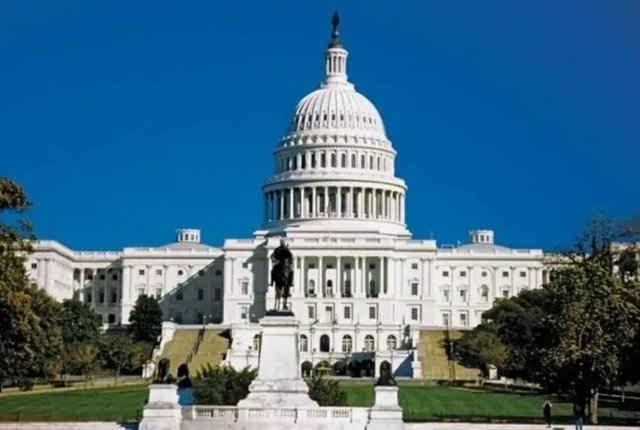
We are very pleased to share that Congresswoman Eleanor Holmes Norton (D-DC) has kindly sponsored meeting space for us at the U.S. House of Representatives’ Rayburn Building. The meeting is scheduled for Wednesday, October 1st, from 9:30 AM to 1:30 PM.
The meetings will be a continuation of a series of Constitutional Conferences focused on finalizing the draft Ethiopian Constitution and addressing the ongoing deterioration of human rights in Ethiopia.
In light of recent events, we have also decided to include the persecution of Ethiopian Orthodox Christians in Ethiopia as a major topic of discussion during the conference.
We will share more details in the coming weeks.
- Request for Senate hearing
We asked Senator Ted Cruz (R-TX), chairman of the Senate Foreign Relations subcommittee on Africa & Global Health, to hold a hearing on the crisis in Ethiopia. We outlined the causes and impacts of the crisis in Ethiopia, emphasizing that political stability and economic prosperity in Ethiopia are critically important to the United States as instability in Africa’s second-most populous nation threatens to destabilize the Horn of Africa. While crises in the Middle East, Ukraine, and elsewhere dominate the attention of the State Department and the national security community, ignoring the looming catastrophe in Ethiopia is a mistake.
We are waiting to hear from the Senator.
There is a new piece of legislation, H.Res. 594, introduced by Representative Riley Moore of West Virginia. The resolution condemns the persecution of Christians in Muslim-majority countries. It is currently in the first stage of the legislative process, having been introduced in the U.S. House of Representatives on July 17, 2025.
- Press Freedom in Ethiopia: A Concerning Backslide
Recent actions by the Ethiopian government have significantly curtailed press freedom, undermining the progress achieved following the political reforms of 2018. Although the media environment is relatively more open than under previous regimes, it remains fragile and vulnerable to state control.
Key Developments:
1. Crackdowns on Journalists:
Authorities have increasingly targeted members of the press, including both Ethiopian and international journalists. Reports include arbitrary arrests, prolonged detentions without due process, intimidation, and even physical assaults. These actions have created a chilling effect on independent journalism and public discourse.
2. Internet and Communication Blackouts:
The government has imposed widespread internet shutdowns and communication restrictions, particularly during periods of unrest or conflict. These blackouts not only obstruct the flow of information but also hinder humanitarian response and civil society engagement in affected regions.
States of emergency have been used to justify sweeping limitations on media activity, including censorship and legal action against those who report on sensitive political or security issues. These measures often lack transparency and due legal safeguards.
Despite previous steps toward media liberalization, these recent trends represent a concerning regression. Sustained international attention and pressure are essential to uphold press freedom, protect journalists, and ensure the public’s right to information in Ethiopia.
- Human rights abuses
On June 17, Ethiopia’s Parliament passed a contentious law targeting terrorism financing and illicit property concealment. The legislation has drawn criticism for granting authorities sweeping powers, including the use of coercive interrogation methods—stopping short of killing—during covert investigations.
- Economic policy
Ethiopian reporters reported that the International Monetary Fund (IMF) is urging the Ethiopian government to lift exchange rate restrictions on capital account transactions, arguing that these measures increase the cost of using the formal market. This recommendation follows the IMF’s third review of Ethiopia’s $3.4 billion Extended Credit Facility program, launched a year ago alongside a key policy shift toward a market-based exchange rate system. Despite a sharp depreciation of the Birr over the past year, the National Bank of Ethiopia has imposed new restrictions on foreign exchange accounts, including tighter limits on debit card withdrawals and capped bank fees for foreign currency transactions.
__
Disclaimer: Content in the Press Release category is provided by third parties and published as received, without editorial modifications. Borkena.com, one of the leading Ethiopian news portals based in Toronto, assumes no responsibility for the accuracy of the information. The views and opinions expressed do not necessarily reflect those of Borkena.com
Support : https://borkena.com/subscribe-borkena/
Join our Telegram Channel : t.me/borkena
Like borkena on Facebook
To submit Press Release, send submission to info@borkena.com
Add your business to Ethiopian Business Listing / Ethiopian Business Directory
Join the conversation. Follow us on X (Formerly Twitter) @zborkena to get the latest Ethiopian News updates regularly.