
The Conflict in Baidoa
The fighting taking place in Baidoa between the forces of Hassan Sheikh Mohamud, the interim President, and the forces of the legitimate President who are outside the city is extremely concerning.
What is particularly shocking is the allegation that the Turkish regime has directly entered the conflict, reportedly supporting and escalating the fighting and allegedly deploying drone fighter aircraft to conduct direct airstrikes on the town of Doolow, resulting in the deaths of many civilians. The alleged target was General Mahad Abdirahman, nicknamed “Taliye Shub.”
This serious allegation should be independently investigated. There are reportedly ATMIS forces stationed in Baidoa, as well as representatives and officials from the international community, including the United Nations, European Union, United States and Arab countries that provide political and financial support to Somalia.
These international actors must urgently condemn the Turkey Government military intervention that results in civilian casualties and must demand a full and independent investigation into what happened in Dolow town.
Turkey must stay out of Somalia’s internal political affairs and must not interfere in Somalia’s domestic politics.
The conflict in Baidoa should not be presented simply as a conflict between Al-Shabaab and the government of Hassan Sheikh Mohamud. Rather, it is a different and more complex confrontation involving the civilian population of South-west State and military forces that have come from Mogadishu.
The people of South- West State have the right to determine their political future through peaceful and constitutional means. Foreign governments should not use military power to influence or determine the outcome of Somalia’s internal political disputes.
The international community must act urgently to protect civilians, investigate the reported attacks, and ensure that Somalia’s internal political conflicts are resolved through dialogue, constitutional mechanisms and peaceful political processes. Not foreign military intervention.
Türkiye’s expanding role in Africa, particularly in Somalia, raises important questions about the nature of modern foreign influence. In the post-colonial era, direct military occupation is rarely necessary. Economic investment, humanitarian assistance, religious ties, political partnerships, and military cooperation can provide significant strategic influence.
Türkiye’s humanitarian assistance to Somalia, especially during the 2011 famine, created considerable goodwill among the Somali people. However, its subsequent expansion into politics, security, military training, infrastructure, and strategic agreements has raised concerns about whether this influence is becoming excessive.
The most serious concern is Somalia’s political and constitutional development. Critics argue that recent constitutional changes have increased central government power and weakened the federal balance established under Somalia’s federal system. If Türkiye is perceived as supporting excessive centralization or one political administration, it risks damaging its long-term relationship with the Somali people.
Türkiye should therefore respect Somalia’s sovereignty and constitutional process and maintain balanced relations with the Federal Government, Federal Member States, opposition parties, and other legitimate political stakeholders.
Somalia needs Türkiye as a friend, investor, humanitarian partner, and security partner, but not as an external power influencing Somalia’s political future. And creating conflict and war within Somalia.
Türkiye’s long-term friendship should be with the Somali people and the Somali state, not with any single president or Villa-Somalia Regime.
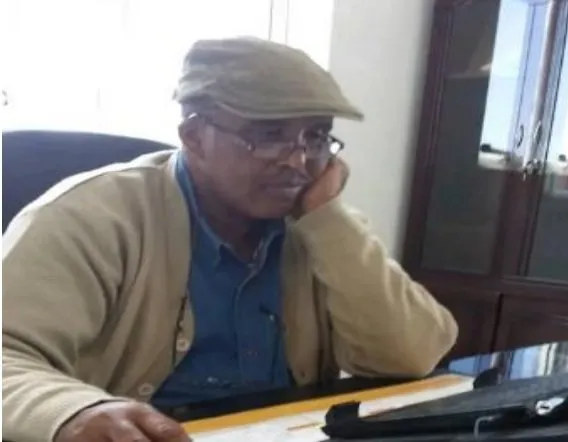
Engineer Abdi Ali Barkhad is Ethiopian, has also become known as a political analyst and writer on the Horn of Africa, particularly on Somaliland, Somalia, Ethiopia, regional geopolitics, diplomacy, and international relations. His author profile describes him as a senior consultant who has studied international diplomacy. He can be reached via email : tra50526@gmail.com
Editor’s Note: Views in the article do not necessarily reflect the views of borkena.com
__
Join our Telegram Channel: t.me/borkena
Like borkena on Facebook
To submit a press release, send the submission to info@borkena.com
Add your business to Ethiopian Business Listing / Ethiopian Business Directory
Join the conversation. Follow us on X (formerly Twitter) @zborkena to get the latest Ethiopian news updates regularly.