

Girma Berhanu (Professor)
Abstract
This study examines the rise of three controversial Ethiopian leaders—Mengistu Haile Mariam, Meles Zenawi, and Abiy Ahmed—and explores how their leadership contributed to the political, institutional, and social deterioration of Ethiopia, one of Africa’s most populous nations. A central question guiding the inquiry is how these leaders, despite the presence of highly educated, capable, and politically experienced individuals, managed to ascend to the highest positions of national power. What personal, psychological, organizational, and political attributes enabled them to assume and consolidate authority over a historically significant and demographically vast nation?
Drawing on Padilla, Hogan, and Kaiser’s (2007) Toxic Triangle model of destructive leadership, the study investigates the interaction between destructive leaders, susceptible followers, and conducive environments in explaining their political emergence and consolidation of power. It considers whether personal identity, contested family backgrounds, perceived social marginalization, and personal grievances may have influenced aspects of their leadership orientations and political behaviour. These dimensions are examined alongside strategic intelligence, political opportunism, organizational capacity, and the ability to exploit institutional weaknesses and societal vulnerabilities. The study distinguishes between documented biographical evidence and speculative interpretations of leaders’ personal backgrounds.
A further, important dimension of the analysis concerns the relationship between political leadership, national sovereignty, and external geopolitical interests. Despite their different ideological orientations, the three leaders appear to share a recurring pattern of dependence on powerful external actors and a willingness to accommodate foreign strategic interests in ways that raise questions about national autonomy and sovereignty. Mengistu’s close alignment with the former Soviet Union, Meles Zenawi’s strategic partnership with Western powers, particularly within the regional counterterrorism framework in Somalia, and Abiy Ahmed’s increasingly consequential relationship with the United Arab Emirates illustrate different forms of external political and military alignment. In particular, the growing role of the UAE in Ethiopia’s security and military affairs, including reported military assistance and drone supplies, raises serious questions about external influence, the use of foreign military support in domestic conflicts, and the implications for national sovereignty. The study critically examines whether such relationships have served Ethiopia’s broader national interests or primarily strengthened incumbent political power structures.
This comparison also raises questions about the relationship between ideological rhetoric and political practice. Despite their different political backgrounds, the three leaders have employed, to varying degrees, ideological narratives and political language that do not always correspond to their governing practices. Their political trajectories invite critical examination of the extent to which nationalist, revolutionary, socialist, or developmental discourses have served genuine national objectives or functioned primarily as instruments of political legitimacy and regime survival. A central argument is that political loyalty and the preservation of power have frequently taken precedence over broader national interests.
The study further examines the consequences of destructive leadership for Ethiopia’s national cohesion, institutional integrity, political stability, sovereignty, and developmental trajectory. Finally, it argues that preventing the recurrence of destructive leadership requires deliberate investment in democratic leadership development and political socialization. Through democratic institutions, youth political organizations, civic associations, and structured leadership-development pathways, future leaders should be cultivated from an early age, with emphasis on ethical responsibility, institutional accountability, civic competence, constitutional values, and national service. Drawing comparative insights from Scandinavian democratic traditions, the study advocates a systematic approach to leadership preparation that prioritizes merit, integrity, democratic participation, and public responsibility over political opportunism, personal grievances, and the pursuit of power.
By integrating destructive leadership theory with Ethiopian political history, leadership psychology, institutional analysis, and comparative democratic perspectives, this study contributes to a broader understanding of how destructive political leadership emerges, consolidates authority, and reproduces itself. Ultimately, it argues that Ethiopia’s challenge is not merely to replace individual leaders but to transform the political and institutional conditions that repeatedly enable destructive leadership to emerge and persist.
Introduction: Ethiopia’s Leadership Paradox
Ethiopia represents a profound paradox in African political history. Despite possessing a rich civilization, enormous human potential, a substantial population, and generations of educated and capable citizens, the country has repeatedly experienced political leadership associated with repression, institutional instability, national fragmentation, and profound human suffering. This essay examines the rise and political legacies of three controversial and bloodthirsty Ethiopian leaders—Mengistu Haile Mariam, Meles Zenawi, and Abiy Ahmed—through the theoretical framework of the Toxic Triangle of destructive leadership. It asks how these leaders ascended to national power despite the availability of alternative political and intellectual talent, what characteristics enabled their political success, and how the surrounding institutional and societal environments facilitated their emergence and consolidation.
The essay explores the possible relationship between personal identity, perceived social marginalization, grievances, political ambition, and destructive leadership behavior while distinguishing biographical evidence from psychological speculation. It argues that destructive leadership cannot be understood exclusively through individual personality characteristics; rather, it emerges through the interaction of destructive leaders, susceptible followers, and conducive environments. The essay further examines the failure of political institutions to cultivate ethical, accountable, and competent leadership and proposes a systematic approach to democratic leadership development. Drawing comparative insights from Scandinavian political traditions, it advocates early civic education, youth political participation, mentorship, institutional accountability, and merit-based leadership selection as essential foundations for Ethiopia’s future political renewal.
Ethiopia occupies a distinctive position in African history. Its ancient civilization, historical independence, cultural diversity, intellectual traditions, and demographic significance make it one of the continent’s most consequential nations. Yet its modern political trajectory has repeatedly been characterized by authoritarianism, violent political transitions, institutional fragility, and conflicts that threaten the foundations of national cohesion.
One of the most troubling questions in Ethiopia’s political history is why a nation endowed with such substantial human potential has repeatedly experienced leadership associated with destructive political outcomes. Why have individuals with authoritarian tendencies, revolutionary ambitions, or highly centralized conceptions of power managed to rise to the highest political positions? How have they maintained authority despite the existence of capable intellectuals, experienced administrators, respected community leaders, and alternative political actors?
This question becomes particularly significant when examining the political trajectories of Mengistu Haile Mariam, Meles Zenawi, and Abiy Ahmed. Although these leaders emerged from different historical circumstances, ideological traditions, and political organizations, their periods of leadership invite comparative investigation concerning political domination, institutional weakness, coercive governance, and the consequences of concentrated authority.
The central argument of this essay is that Ethiopia’s recurring leadership crisis cannot be explained merely by the personalities of individual rulers. It must also be understood as a structural problem involving political institutions, social conditions, leadership selection, ideological mobilization, and the absence of sufficiently effective accountability mechanisms.
The Toxic Triangle model of destructive leadership offers an analytical framework for examining this phenomenon. Rather than treating destructive leadership as an isolated psychological defect, the model emphasizes the interaction between destructive leaders, susceptible followers, and conducive environments. This perspective allows a more comprehensive investigation into how political leaders acquire authority, why their followers support them, and how institutions become vulnerable to destructive political behavior.
The essay also raises a broader question concerning the future of Ethiopia: What institutional and educational arrangements might prevent the emergence of another generation of destructive leaders? It argues that leadership should be cultivated rather than left to political opportunism, revolutionary circumstances, military dominance, or personal ambition.
Ethiopia’s future depends not only on identifying destructive leadership after it has emerged but also on building political institutions capable of producing, selecting, and holding accountable responsible leaders.
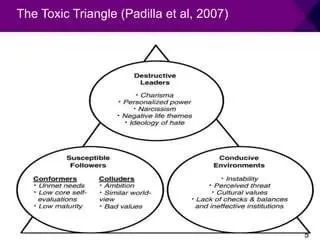
The Toxic Triangle of Destructive Leadership, developed by Padilla, Hogan, and Kaiser (2007), explains how destructive leadership emerges through the interaction of three interdependent elements:Destructive Leaders: Individuals who possess authoritarian tendencies, excessive ambition, narcissism, manipulation, or a desire for power, often placing personal interests above collective welfare. Susceptible Followers: Individuals who support destructive leaders because of fear, insecurity, ideological loyalty, personal interests, dependency, or a desire for belonging and protection.Conducive Environments: Political or organizational conditions that facilitate destructive leadership, including institutional weakness, instability, fear, polarization, and inadequate accountability.The model emphasizes that destructive leadership is not merely the product of a bad leader; it emerges when destructive leaders, susceptible followers, and enabling environments reinforce one another.
The Historical Context of Destructive Leadership in Ethiopia
Mengistu Haile Mariam and the militarization of political power
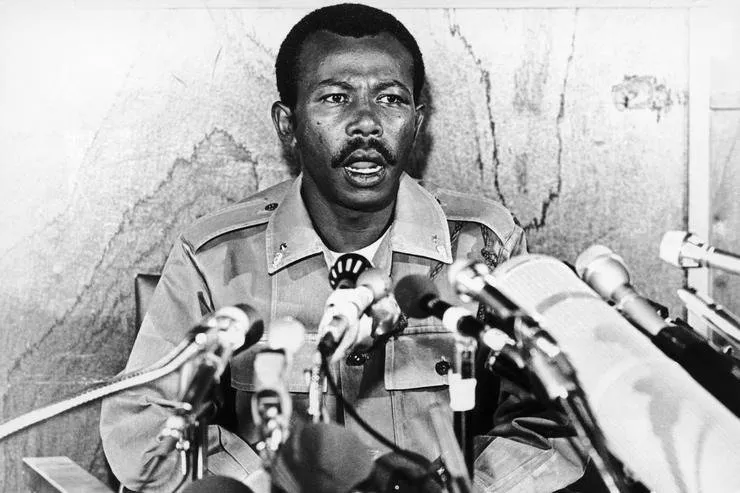
Mengistu Haile Mariam emerged from the military establishment during the Ethiopian Revolution of 1974, which overthrew Emperor Haile Selassie. The revolution initially reflected widespread demands for political reform, social justice, land redistribution, and the dismantling of entrenched aristocratic privileges. However, the revolutionary process rapidly evolved into a struggle for political supremacy within the military committee known as the Derg. Mengistu eventually consolidated power and presided over a highly centralized military state characterized by ideological repression, political violence, and the systematic elimination of opponents.
The Red Terror, particularly during 1977–1978, became one of the most devastating episodes of modern Ethiopian history. Political opponents, suspected dissidents, and civilians associated with rival movements were subjected to mass arrests, executions, and other forms of state violence. The regime’s coercive approach to political opposition contributed to deep societal trauma and the destruction of political trust. From the perspective of destructive leadership theory, Mengistu’s rule illustrates how revolutionary environments can facilitate the emergence of leaders who transform legitimate demands for reform into mechanisms of domination.
The revolutionary crisis weakened established institutions while failing to establish durable democratic mechanisms. Military authority, ideological conformity, and coercive loyalty became central instruments of governance. This raises an important question: Did the revolution produce destructive leadership, or did destructive leadership exploit the revolution?
The answer is likely to involve both processes. Revolutionary instability created opportunities for political domination, while the subsequent concentration of authority enabled leaders to intensify the crisis and perpetuate destructive practices. Mengistu’s experience therefore illustrates how political transitions can become particularly vulnerable to authoritarian consolidation in the absence of effective institutional safeguards.
Beyond institutional frameworks and historical circumstances, however, the individual characteristics and personal background of political leaders should not be overlooked. At the individual level, Mengistu’s personality, military career, social background, and personal ambitions may also have played a role in shaping his political trajectory. He was widely portrayed as a confrontational, volatile, and authoritarian figure. His physical appearance and darker complexion were also reportedly used against him in derogatory characterizations, including the Amharic term Barya, associated with servitude. His military career was reportedly marked by several demotions, and questions and speculation about his family lineage continued to circulate. Accounts of his early life also point to modest socioeconomic circumstances: his father served as a foot soldier, and Mengistu reportedly had limited educational achievements. Numerous accounts have further associated him with gambling, an unpredictable temperament, and a confrontational disposition.
These personal and biographical dimensions should, of course, be approached critically, distinguishing documented historical evidence from political allegations, rumours, and retrospective interpretations. Nevertheless, they raise an important question about the interaction between individual agency and structural conditions. Mengistu appears to have exploited the revolutionary upheaval and the institutional vacuum that followed the collapse of the imperial order. The prevailing atmosphere of uncertainty, political fragmentation, and institutional disintegration created favourable conditions for a determined and power-seeking military figure to assert himself. The vulnerability of revolutionary constituencies, particularly groups seeking rapid social and political transformation, may also have made them susceptible to manipulation and authoritarian leadership. In this sense, Mengistu’s rise was not simply a product of structural circumstances; it also reflected the political opportunities seized by an ambitious military leader seeking power, authority, and a historically significant role.
Meles Zenawi and the institutionalization of party-centered authority
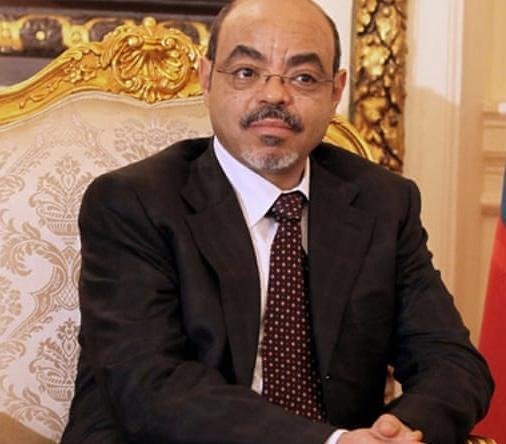
Meles Zenawi emerged from the armed struggle against the Derg and became one of the principal architects of the political order established after 1991.His leadership was associated with the Ethiopian People’s Revolutionary Democratic Front (EPRDF), a coalition whose dominant political organization exercised extensive influence over the state.The post-1991 political system introduced a new constitutional framework, formally recognizing ethnic federalism and regional self-government. It also expanded education, infrastructure, and public administration in several areas.
Nevertheless, the political system became increasingly characterized by centralized party authority, restrictions on political competition, the repression of opposition, and extensive control over state institutions. The ethnic federalist system introduced under his leadership also generated significant tensions, contributing to internal divisions, intercommunal conflicts, competing territorial claims, and increasingly entrenched ethnic polarization. Critics argue that these developments particularly disadvantaged the Amhara population, which experienced severe political marginalization, insecurity, displacement, violence, and collective trauma.
The political orientation of the TPLF leadership, including its historical antagonism towards Ethiopian nationalism and its relationship with Amhara political identity and the Ethiopian Orthodox Church, also became a source of considerable controversy. Critics contend that anti-Amhara sentiment and hostility towards aspects of Ethiopia’s historical and religious traditions influenced the political outlook of the incoming leadership. These interpretations warrant examination in the broader context of the TPLF’s ideological foundations, political discourse, and governing practices, while distinguishing documented policies and actions from allegations concerning individual motives.
The 2005 elections represented a particularly important turning point. Following substantial electoral competition and widespread opposition gains, the government responded with repression, arrests, and lethal violence against protesters. The political consequences extended beyond the immediate crisis. They reinforced perceptions that electoral participation did not necessarily guarantee meaningful political alternation.
Meles’s leadership therefore presents a different form of destructive leadership from Mengistu’s military dictatorship. Rather than relying exclusively on revolutionary coercion, it combined party organization, ideological discipline, administrative structures, and developmental legitimacy. This distinction is analytically important.
Destructive leadership can operate through military domination, but it can also emerge through sophisticated political organizations, bureaucratic institutions, and narratives of national development. The Ethiopian experience demonstrates that institutional sophistication and economic development do not automatically produce democratic accountability.
A political system may expand infrastructure, educational opportunities, and administrative capacity while simultaneously restricting political freedoms and concentrating power. The central issue, therefore, is not simply whether a leader is intelligent, organised, or capable of implementing policies, but whether these capacities are exercised within institutions that protect citizens, distribute power, and effectively constrain political authority.
During Meles Zenawi’s period in power, ethnic-based political hierarchies and forms of ethnic exclusivism became increasingly institutionalized and visible in Ethiopia’s political landscape. Although these tendencies became even more pronounced during Abiy Ahmed’s tenure, their political and institutional roots can be traced, in part, to the preceding period. The consequences included deepening ethnic divisions, recurring conflicts, displacement, famine, and the deaths of large numbers of people. The political and institutional legacies of this period continue to affect Ethiopian society, much like a deeply embedded poison whose effects have not been overcome. Corruption and patronage also became serious features of the political system. Although the Tigray region received considerable political and economic attention under the TPLF-led government, this did not necessarily translate into widespread prosperity for its population; many ordinary farmers and rural communities in Tigray continued to experience poverty.
At a personal level, Meles’s background has also been discussed in relation to his family’s alleged historical associations with the Italian occupation of Ethiopia. Some accounts suggest that his father or grandfather had links to individuals or structures associated with the Italian colonial administration. Such biographical claims require careful historical verification and should not be treated as established facts without reliable evidence. More importantly, they should be distinguished from an examination of Meles’s documented political decisions, ideological commitments, and governing practices.
Nevertheless, many politically informed and historically experienced Ethiopians, particularly among the older generations, have argued that Meles set the country on a dangerous political trajectory—one that intensified fragmentation, institutionalised ethnic divisions, and contributed to the conditions for further cycles of violent conflict. In their view, the political framework established during his tenure opened the door to conflicts whose consequences continue to unfold, with no clear resolution in sight. Meles was widely regarded as an intellectually capable and politically astute leader; however, critics argue that his strategic intelligence was accompanied by a deeply problematic political agenda and a willingness to pursue power in ways that undermined national cohesion and long-term stability.
Abiy Ahmed: From Reformist Promise to Authoritarian Consolidation
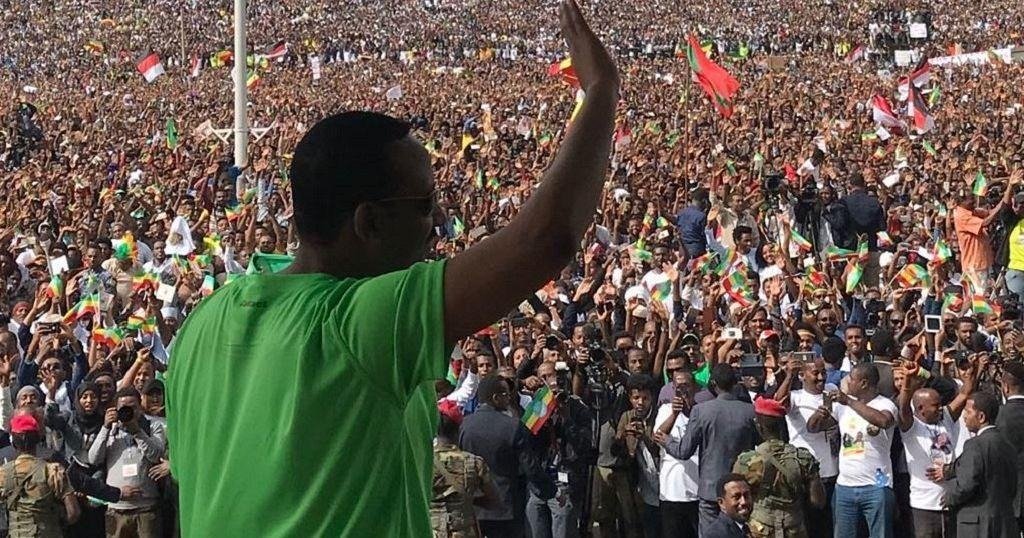
Abiy Ahmed assumed the premiership in 2018 amid widespread political unrest and growing dissatisfaction with the EPRDF government. His emergence initially generated considerable optimism, both domestically and internationally. His reform announcements, political openings, reconciliation initiatives, and promises of democratic transformation attracted significant attention and raised hopes for a new political era in Ethiopia.
However, subsequent developments exposed the profound challenges and contradictions associated with political transformation in the country. The transition was characterized by tensions between competing political organizations, unresolved historical grievances, growing ethnic polarization, constitutional disagreements, and increasingly intense struggles over the distribution of political power. The outbreak of war in Tigray in November 2020, followed by expanding insecurity and armed conflicts in other parts of the country, resulted in devastating humanitarian consequences. Political repression, mass displacement, civilian suffering, and increasingly contested narratives of national identity have further complicated Ethiopia’s political trajectory.
Abiy’s leadership therefore raises a fundamental question about the relationship between reformist promises and political outcomes: How does a leader initially associated with democratic opening become increasingly identified with centralized authority, political repression, and devastating conflict?
The answer cannot be reduced to personal ambition alone. It requires examining the institutional constraints, political incentives, competing elites, security structures, historical grievances, and societal divisions within which leadership decisions are made. Nevertheless, structural explanations should not obscure the importance of individual political responsibility. The consequences of leadership decisions remain central to any serious assessment of political accountability.
The comparison between Mengistu, Meles, and Abiy suggests that destructive political outcomes can emerge under different ideological circumstances and organizational arrangements. Their political trajectories offer an opportunity to investigate recurring patterns of authoritarian governance, political manipulation, institutional weakening, and the concentration of power without assuming that the three leaders were identical or that historical developments can be explained exclusively through individual personalities.
Abiy Ahmed: Personality, Power, and Political Destruction
In my assessment, Abiy Ahmed represents one of the most destructive political leadership episodes in Ethiopia’s modern history. I regard his leadership as characterized by political manipulation, calculated opportunism, ruthlessness, and a troubling willingness to pursue political objectives despite their devastating consequences for the country. His political conduct, rhetoric, and governing practices raise serious questions about his relationship with democratic institutions, political pluralism, and the responsibilities of national leadership.
In a recent article, I explored what I considered striking parallels between Abiy Ahmed and the Roman Emperor Caligula. I wrote: A few days ago, I watched a documentary on the Roman Emperor Caligula (also known as Gaius Caesar Germanicus) through the Via Satellite channel. It explored his leadership, cruelty, and eventual descent into madness. I was so engrossed that I remained glued to the television until 3:00 a.m. As I watched, I could not help noticing what I perceived as striking parallels with Abiy Ahmed, the prime minister of Ethiopia. Although the historical context, methods of governance, and instruments of power are vastly different, I found the comparison thought-provoking. Those perceived similarities inspired me to write a short article exploring the parallels.
Seven years ago, I wrote an article titled The Many Faces of Abiy Ahmed: The Nobel Laureate, Ironically Honored for Peace. From the outset, I found Abiy Ahmed to be a deeply troubling and unsettling political figure. My assessment was based on observations of his rhetoric, analyses of his policies, and interviews and accounts concerning his upbringing, education, and background. To me, these factors combined to create a mysterious leader whose political agenda appeared increasingly destructive for the nation.
My comparison between Abiy Ahmed and Caligula operates on two analytical levels. The first examines perceived similarities in their leadership styles and political conduct, drawing on observations of Abiy’s years in power and historical accounts of Caligula’s reign. The second considers the broader lessons history offers, particularly what societies can learn from previous experiences of authoritarian rule and, equally importantly, what they repeatedly fail to learn.
A central theme of this comparison concerns the relationship between power, personal image, and political legitimacy. Caligula’s reign is frequently associated with claims of divine status and attempts to elevate the emperor above ordinary political authority. Ancient historical accounts describe efforts to associate his image with divinity, including replacing the heads of statues of gods with his own likeness. Critics of Abiy Ahmed similarly argue that aspects of his leadership reflect an attempt to cultivate an image of exceptional, almost sacred political authority through public symbolism, religious narratives, monumental initiatives, and extensive media representation.
Another important theme concerns the use of grand projects and symbolic actions to project political power. Ancient accounts describe Caligula’s order that soldiers collect seashells from the shore following his campaign against Britain, presenting them as spoils of war. This episode has traditionally been interpreted as an illustration of theatrical power and symbolic domination. Similarly, critics of Abiy Ahmed argue that some of his monumental projects and political initiatives prioritize spectacle, personal legacy, and political image-building while the country faces extraordinary humanitarian challenges, including armed conflict, displacement, poverty, and economic hardship.
Caligula’s historical reputation is also associated with cruelty, financial extravagance, and the abuse of political authority. Ancient sources describe extravagant expenditure, costly construction projects, and the confiscation of property through politically motivated accusations. Critics of Abiy’s government draw comparisons with these patterns, raising concerns about the allocation of public resources, prestige-oriented development initiatives, displacement, and the concentration of decision-making authority.
Several broader characteristics associated with Caligula’s reign also provide a comparative framework for examining Abiy Ahmed’s premiership:
- Cult of personality: Ancient sources portray Caligula as demanding extraordinary reverence and attempting to blur the boundary between ruler and deity. Contemporary authoritarian leaders similarly cultivate personality cults by presenting themselves as uniquely qualified, indispensable, or historically destined to lead. Critics argue that Abiy’s political communication and public symbolism increasingly reflect elements of this tendency.
- Unchecked executive power: Caligula exercised authority with few effective institutional constraints. In contemporary authoritarian settings, executive power is similarly consolidated through the weakening or subordination of courts, legislatures, independent media, and other institutions capable of limiting political authority. The weakening of institutional accountability in Ethiopia raises serious concerns in this regard.
- Arbitrary decision-making: Historical accounts portray Caligula as unpredictable in his appointments, punishments, and political decisions. More generally, arbitrary governance enables authoritarian leaders to create uncertainty, discourage opposition, and make political actors increasingly dependent on the ruler’s discretion. Critics of Abiy’s administration have raised comparable concerns about unpredictable decision-making and the personalization of political authority.
- Fear as an instrument of governance: Accounts of executions, confiscations, and public humiliation under Caligula illustrate how fear can function as a mechanism of political control. In contemporary authoritarian systems, coercion, intimidation, and repression similarly serve to deter dissent and consolidate power. Allegations of political repression and violence in Ethiopia warrant serious independent investigation and accountability.
Critics of Abiy Ahmed’s government argue that these characteristics are increasingly evident in Ethiopia’s contemporary political trajectory. They contend that the concentration of power, weakening of institutional constraints, arbitrary governance, and coercive treatment of perceived opponents have contributed to political polarization, widespread violence, and a severe humanitarian crisis. The continued insecurity and renewed armed confrontations in different parts of the country further demonstrate the fragility of Ethiopia’s political order.
Personal Background, Identity, and the Psychology of Political Leadership
Beyond institutional arrangements and historical circumstances, the individual background and personal characteristics of political leaders may also warrant examination. In Abiy Ahmed’s case, questions concerning his family background, religious upbringing, identity, and personal trajectory have frequently featured in Ethiopian political discourse. Accounts of his family history describe a mixed religious background, with a Muslim father and a Christian mother. There have also been public discussions and speculation concerning his paternal family history and lineage.
However, it is important to distinguish between verifiable biographical information and politically motivated speculation. Claims about his parentage, ancestry, or alleged identity crisis should not be treated as established facts without credible evidence. Nor should complex political decisions be explained through presumed psychological characteristics or family circumstances alone.
A more productive analytical approach is to investigate how personal identity, political socialization, ambition, self-presentation, and perceptions of legitimacy may interact with institutional opportunities and constraints. The relationship between personal insecurity, political image-building, and the exercise of authority is a legitimate subject of political and historical inquiry, provided that interpretations are supported by evidence rather than speculation.
My central concern, however, is not simply Abiy Ahmed’s personal background or individual temperament. It is the political consequences of his leadership. Under his premiership, Ethiopia has experienced an extraordinary deterioration in security, social cohesion, institutional trust, and humanitarian conditions. The country has been brought dangerously close to political fragmentation and state collapse.
Of particular concern is the scale of violence, displacement, discrimination, and reported atrocities affecting Amhara communities. Allegations of targeted persecution, civilian killings, destruction of livelihoods, arbitrary detention, and systematic discrimination demand serious international attention and independent investigation. The suffering of these communities should not be marginalized or treated as secondary to competing political narratives. The scale of the humanitarian tragedy, alongside the broader crisis affecting other Ethiopian communities, raises fundamental questions about the state’s capacity and willingness to protect its citizens equally.
Ultimately, Abiy Ahmed’s political legacy must be evaluated not through the promises that accompanied his emergence, his international recognition, or the monumental projects associated with his administration, but through the consequences of his decisions for the Ethiopian people and the country’s future. The contrast between the democratic expectations of 2018 and the subsequent deterioration of the political and humanitarian situation is particularly striking.
The central historical lesson is that political transitions do not automatically produce democratic transformation. In the absence of strong institutions, meaningful accountability, inclusive political arrangements, and respect for human rights, revolutionary or reformist promises can become instruments for another cycle of authoritarian consolidation. Ethiopia’s experience under Mengistu, Meles, and Abiy offers important, although historically distinct, illustrations of this recurring danger.
The Scandinavian Experience: Democratic Leadership as a Cultivated Practice
I raise this issue partly because I have lived in Scandinavia for several decades and have had the opportunity to observe how these countries identify, cultivate, and invest in future political leaders from an early stage. Through youth organizations, civic education, political mentorship, and opportunities for democratic participation, they create pathways through which future leaders can gradually develop political competence and a sense of public responsibility. These practices, combined with strong institutions, established traditions of accountability, and effective systems of checks and balances, contribute to political stability, institutional resilience, and long-term national security.
One of the most constructive dimensions of this essay is its proposal that future Ethiopian leaders should be systematically prepared for democratic leadership. Rather than allowing political leadership to emerge primarily through crises, armed struggles, or internal organizational power contests, Ethiopia could develop a structured system of civic education, leadership mentorship, and meaningful democratic participation. Such an approach would help cultivate a new generation of leaders equipped not only with political and administrative competence but also with democratic values, ethical responsibility, and a commitment to constitutional governance.
Scandinavian countries provide useful comparative insights, although their political institutions cannot simply be transferred to Ethiopia without considering differences in history, social structure, and constitutional arrangements.
Leadership development through youth participation
In Scandinavian democracies, political participation often begins at an early age through student organizations, youth wings of political parties, civic associations, local government initiatives, and educational institutions. Youth organizations affiliated with political parties provide opportunities to develop political knowledge, engage in public debate, discuss policy issues, organize campaigns, and gain practical experience of democratic processes.
However, participation in youth politics should not be equated with guaranteed preparation for national leadership. Many young people involved in political organizations never assume national leadership positions, and political organizations themselves vary considerably in their internal democratic practices and opportunities for participation.
The important lesson is not that Scandinavian political leaders are necessarily superior because of their involvement in youth organizations. Rather, it is that democratic societies provide multiple institutional and civic pathways through which individuals can acquire political knowledge, develop leadership capacities, cultivate democratic values, and gain practical experience before assuming significant public responsibilities.
Mentorship and gradual responsibility
Leadership development should involve a gradual progression towards greater responsibility. Young people may begin by participating in school councils, student associations, civic initiatives, and local community organizations. As they gain experience and maturity, they can move on to municipal governance, policy development, parliamentary activities, and public administration. Such progression creates opportunities to acquire practical political experience, demonstrate leadership abilities, and become accountable to the public. Leadership thus becomes a process of demonstrated commitment and competence rather than the sudden acquisition of political authority.
Unfortunately, Ethiopia has not developed comparable institutional pathways for identifying, preparing, and nurturing future political leaders. In many cases, political figures emerge into positions of national power without having been sufficiently known or publicly scrutinized beforehand. Their personal backgrounds, political trajectories, qualifications, and governing intentions often remain unclear, leaving considerable room for speculation and uncertainty. Even basic questions about their backgrounds and national affiliations have, at times, become subjects of public debate. Consequently, ordinary Ethiopians are left to speculate about whether emerging leaders represent genuine opportunities for national transformation or whether they will perpetuate existing patterns of political instability and institutional weakness. This uncertainty underscores the importance of transparent leadership selection, public scrutiny, and the systematic development of democratic political leadership.
Political pluralism and institutional restraint
Scandinavian political systems also illustrate the importance of institutional arrangements that prevent the excessive concentration of power. Parliamentary democracy, independent media, judicial institutions, political competition, and strong civic organizations contribute to systems in which leaders are subject to public scrutiny. These arrangements are more important than the personal virtues of individual political leaders. A democratic society should not depend on the assumption that its leaders will always be benevolent. Instead, it should create institutions capable of restraining leaders who become authoritarian, incompetent, or destructive. This principle is particularly relevant to Ethiopia. The objective should not be to identify a perfect leader. It should be to establish a political system in which no leader can easily become destructive.
Grooming Ethiopia’s Future Leaders: From Political Opportunism to Democratic Preparation
The recurring problem of destructive leadership raises a fundamental question: Can a nation deliberately cultivate better leaders? This essay argues that Ethiopia must move beyond the assumption that leadership emerges naturally through political competition, revolutionary struggle, military service, or individual ambition. Instead, leadership should be understood as a developmental process involving education, ethical formation, practical experience, and institutional accountability.
Constitutional monarchies offer an interesting comparative perspective on the early preparation of future leaders. In Scandinavian countries, for example, heirs to the throne are identified from birth and undergo a prolonged process of education, preparation, and gradual familiarization with public responsibilities. Their succession is institutionally established, and the public knows who the future monarch will be, often decades in advance. Although the monarchs in these countries exercise primarily constitutional and symbolic functions rather than direct political authority, the continuity of succession provides a degree of predictability and institutional stability. Absolute monarchies operate under different political arrangements, where the hereditary succession of rulers may also entail the transfer of substantial executive power. These distinctions are important. The broader lesson is not that Ethiopia should adopt a monarchical system, but that the deliberate and long-term preparation of individuals for public responsibilities offers a useful point of comparison. In a democratic republic, similar principles could be applied to political leadership through civic education, mentorship, transparent selection processes, and opportunities for progressively greater public responsibility.
Early Democratic Education and Youth Leadership Development
The cultivation of democratic leadership should begin in childhood and continue through adolescence and early adulthood. Schools provide an important starting point, not simply by teaching democratic principles theoretically, but by creating practical opportunities for children to experience democratic participation. School councils, student elections, debate clubs, civic projects, and collaborative decision-making can help young people develop leadership skills and understand that leadership is fundamentally a responsibility to serve others rather than an entitlement to exercise authority.
Such educational experiences should cultivate respect for human dignity, recognition of the legitimacy of political disagreement, an appreciation of compromise, and an understanding of the responsibilities associated with public service. Equally important is developing an awareness of the dangers of authoritarian authority and the relationship between individual rights and civic responsibilities. By embedding these principles in everyday educational practices, democratic habits can be established long before young people enter political organisations or assume public responsibilities.
This foundation should be further strengthened through democratic youth organisations. Ethiopia could develop and support youth wings of political parties, civic associations, and other voluntary organisations that provide opportunities for policy education, leadership training, public debate, community engagement, and practical participation in democratic processes. Such organisations could serve as important pathways through which young people acquire political knowledge, develop organisational experience, and gradually assume greater responsibilities.
However, youth organisations must operate according to genuinely democratic principles. They should not become instruments of political indoctrination, partisan mobilisation, or personality worship. Their purpose should be to cultivate independent-minded citizens who can critically examine political ideas, question authority, and engage constructively with opposing viewpoints. A particularly important dimension of democratic leadership development is the capacity to disagree with one’s own political party or organisation without fear of exclusion or punishment. The ability to question one’s own leaders is not a sign of disloyalty; it is an essential element of democratic maturity.
Taken together, democratic education in schools and meaningful participation in youth organisations could establish a continuous developmental pathway from childhood civic engagement to responsible political leadership. For Ethiopia, this would represent an important shift from leadership emerging primarily through political struggle and competition for power towards leadership grounded in democratic experience, ethical responsibility, public service, and institutional accountability.
Conclusion: Breaking the Cycle of Destructive Leadership
The political trajectories of Mengistu Haile Mariam, Meles Zenawi, and Abiy Ahmed offer an important opportunity to examine one of Ethiopia’s most persistent challenges: the emergence and reproduction of destructive political leadership in a country endowed with considerable human, intellectual, and historical resources. Although these leaders emerged under different historical circumstances and ideological orientations, their periods in power reveal recurring patterns of concentrated authority, institutional vulnerability, political exclusion, weakened accountability, and threats to national cohesion.
The Toxic Triangle model provides a valuable framework for understanding these developments because it moves beyond explanations based exclusively on individual personalities. Instead, it conceptualizes destructive leadership as the interaction of three interdependent elements: destructive leaders, susceptible followers, and conducive environments. Leaders may possess intelligence, organizational capabilities, and political ambition; however, when these characteristics operate within institutions that reward domination, suppress dissent, and undermine accountability, leadership can become destructive. Similarly, followers may support political leaders because of ideological commitment, perceived security, material interests, group identification, or genuine hopes for national transformation. Their participation, sometimes even with constructive intentions, may nevertheless sustain destructive political systems.
The political environment is equally important. Revolutionary upheavals, institutional fragility, political polarization, unresolved historical grievances, and the absence of effective democratic mechanisms can create favorable conditions for authoritarian consolidation. The Ethiopian experience therefore demonstrates that destructive leadership cannot be explained exclusively through individual biographies or personality characteristics. Personal identity, political socialization, perceived grievances, and family background may be relevant areas of political-psychological inquiry, but explanations must be grounded in reliable evidence rather than speculation. The more compelling argument concerns the interaction between individual motivations, political opportunities, institutional arrangements, and societal conditions.
A nation may possess exceptionally intelligent and capable citizens yet repeatedly experience destructive leadership when its institutions fail to select, develop, constrain, and hold political leaders accountable. This leads to the central conclusion of this essay: Ethiopia’s leadership crisis is fundamentally a crisis of political selection, institutional accountability, and democratic leadership development.
The solution is not simply to wait for a better, more benevolent or more visionary leader to emerge. Nor is replacing one dominant political figure with another sufficient. Ethiopia needs a political and institutional transformation capable of cultivating responsible leadership, limiting excessive executive authority, preventing the personalization of political power, and protecting citizens against political abuse.
Comparative insights from Scandinavian democratic traditions offer useful lessons, particularly regarding early civic education, meaningful youth participation, political mentorship, institutional transparency, and gradual leadership development. These practices cannot simply be transplanted into the Ethiopian context; they must be adapted to the country’s historical experiences, cultural diversity, and political realities. Nevertheless, they offer valuable possibilities for developing a more inclusive, accountable, and participatory political culture.
Ultimately, Ethiopia must move from leadership based on domination towards leadership based on public service; from political loyalty towards constitutional responsibility; and from personalized authority towards democratic institutions that belong equally to all citizens. The nation’s future should not depend on the character or ambitions of a single ruler. It should rest on the legitimacy of its institutions, the quality of its civic education, the integrity of its political organizations, and the capacity of citizens to hold their leaders accountable.
The enduring challenge is therefore not merely to understand how destructive leaders have risen to power in Ethiopia, but to transform the political, institutional, and societal conditions that have repeatedly enabled them to consolidate and reproduce destructive authority. Breaking this cycle requires more than changing leaders; it requires changing the very conditions under which leadership is acquired, exercised, legitimized, and sustained.
References
Abbink, J., & Hagmann, T. (Eds.). (2013). Reconfiguring Ethiopia: The politics of authoritarian reform. Routledge.
Kellerman, B. (2004). Bad leadership: What it is, how it happens, why it matters. Harvard Business School Press.
Lipman-Blumen, J. (2005). The allure of toxic leaders: Why we follow destructive bosses and corrupt politicians—and how we can survive them. Oxford University Press.
Padilla, A., Hogan, R., & Kaiser, R. B. (2007). The toxic triangle: Destructive leaders, susceptible followers, and conducive environments. The Leadership Quarterly, 18(3), 176–194. https://doi.org/10.1016/j.leaqua.2007.03.001
Toggia, P. (2012). The revolutionary endgame of political power: The genealogy of ‘red terror’ in Ethiopia. African Identities, 10(3), 265–280.
Girma Berhanu teaches at the Department of Education and Special Education (Professor), University of Gothenburg. He can be reached at : Girma.Berhanu@ped.gu.se
Editor’s Note: Views in the article do not necessarily reflect the views of borkena.com
__
Join our Telegram Channel: t.me/borkena
Like borkena on Facebook
To submit a press release, send the submission to info@borkena.com
Add your business to Ethiopian Business Listing / Ethiopian Business Directory
Join the conversation. Follow us on X (formerly Twitter) @zborkena to get the latest Ethiopian news updates regularly