
By Sisay Alemayehu
Africa, a continent rich in natural resources and human potential, remains trapped in a paradox. Despite struggling with poverty, limited access to education, and inadequate healthcare, many African nations allocate significant resources to military expenditures—fueling conflicts both internally and with neighboring countries. This contradiction raises a fundamental question: How can a continent that depends on foreign aid afford to invest in war while its people suffer from a lack of basic necessities?
The Cost of War vs. the Cost of Development
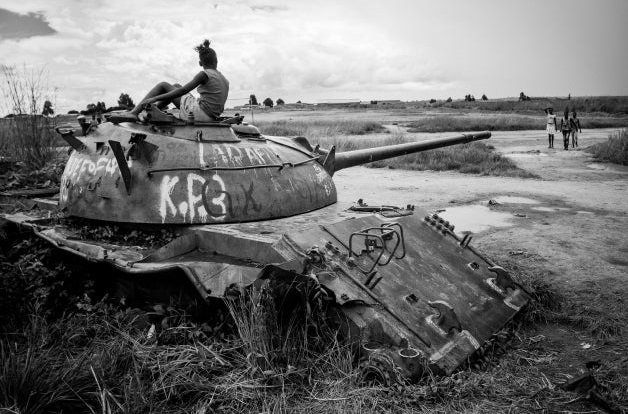
Many African nations lack technological advancement and industrial infrastructure to produce weapons such as drones, fighter jets, tanks, and missile launchers. Yet, these tools of destruction find their way into conflicts across the continent. The answer lies in arms imports which fuel civil wars and power struggles.
Meanwhile, basic education, healthcare, and technological development receive minimal investment. In a continent where millions lack access to clean water and medicine, the decision to prioritize military spending over social development reflects a crisis of leadership rather than a lack of resources.
The Role of Leadership in Africa’s Struggles
Leadership is at the heart of Africa’s paradox. While many nations have gained political independence, economic and structural independence remains elusive. Corrupt leadership, weak institutions, and external influences continue to shape national priorities, often in ways that do not serve the interests of ordinary citizens. Many leaders prioritize personal power and military strength over long-term investments in education and infrastructure.
Why does this happen?
• Political survival over national development – Many leaders maintain power through military force rather than democratic legitimacy.
• Resource-based conflicts – The struggle for control over valuable resources (oil, minerals, rare earth metals) leads to internal and cross-border wars.
• Foreign influence – Global powers sometimes exploit Africa’s instability to serve their own economic or geopolitical interests.
The Solution: Education as the Catalyst for Change
While many factors contribute to Africa’s struggles, one solution stands out: education. A well-educated population is the foundation of strong leadership, technological advancement, and social transformation. Educated citizens are less likely to be manipulated by corrupt politicians and more likely to demand accountability.
But the challenge remains: Who will push for this change? Many African leaders benefit from keeping their populations uninformed, making internal reform difficult. On the other hand, external pressure from international organizations and the African diaspora could help—but only if done in a way that empowers local communities rather than imposing foreign solutions.
A Way Forward: A Combined Effort
The answer likely lies in a combination of internal and external efforts. Grassroots movements, civic engagement, and responsible governance must emerge from within, while external support should focus on strengthening educational systems, institutions, and fair economic policies rather than just providing aid.
This is not a quick fix. It requires deep research, policy shifts, and a commitment from both African leaders and the global community. Perhaps the most important step is fostering a platform for discussion and action—a global forum where African intellectuals, policymakers, and citizens can collaborate to break the cycle of war, weak leadership, and poverty.
Conclusion
Africa’s paradox is not a destiny—it is a challenge that can be overcome with the right leadership and priorities. If education, technological advancement, and institutional strength become the focus, the continent can rise beyond its struggles. But this requires a fundamental shift in how leadership is exercised and how national resources are allocated.
The question remains: Will Africa’s leaders and people make the hard choices necessary to secure a prosperous future?
Editor’s Note : Views in the article do not necessarily reflect the views of borkena.com
__
Subscribe: https://borkena.com/subscribe-borkena/
Join our Telegram Channel : t.me/borkena
Like borkena on Facebook
Add your business to Ethiopian Business Listing / Ethiopian Business Directory
Join the conversation. Follow us on X (Formerly Twitter) @zborkena to get the latest Ethiopian News updates regularly. Subscribe to YouTube channel To share information or for submission, send e-mail to info@borkena.com