, defined territory, permanent population...Read.)
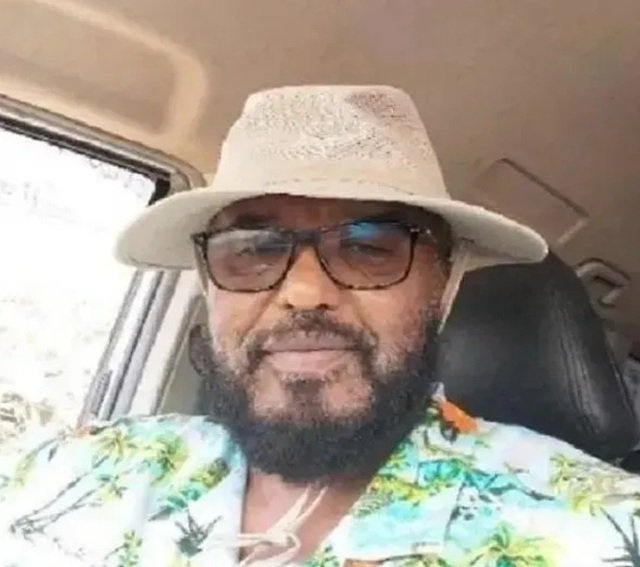
Eng. Abdi Ali Barkad
1. Introduction
Since reclaiming its independence in 1991, the Republic of Somaliland has stood as a peaceful, democratic, and self-governing nation, built on the principles of stability, rule of law, and people’s sovereignty. Despite its achievements, Somaliland continues to operate without formal international recognition, an injustice that contradicts both historical legitimacy and international law.
This policy document outlines a comprehensive national strategy to advance Somaliland’s recognition on the global stage. It emphasizes diplomatic engagement, legal advocacy, and public communication as essential tools in securing our nation’s rightful place among the community of nations.
2. Historical and Legal Basis for Recognition
- Somaliland obtained full independence from the United Kingdom on June 26, 1960, and was recognized by more than 30 sovereign states, including the United Kingdom, Egypt, Israel, and Ethiopia.
- Five days later, on July 1, 1960, Somaliland voluntarily entered into a union with the former Italian Somalia to form the Somali Republic.
- The union, however, lacked a legally binding treaty of merger and was never ratified by the respective parliaments, making it null under international law.
- In 1991, after years of civil war and oppression, Somaliland withdrew from the failed union and reasserted its sovereignty, restoring the borders of the former British Somaliland.
Somaliland therefore meets all the criteria for statehood under the Montevideo Convention (1933), defined territory, permanent population, functioning government, and the capacity to enter into relations with other states.
3. Strategic Objectives
The Somaliland government will pursue the following objectives:
- International Legal Representation:
Engage internationally recognized law firms and experts specializing in self-determination, state succession, and international recognition to prepare a comprehensive legal brief for presentation to the United Nations, African Union, and regional bodies. - Referendum on Self-Determination:
Organize a national referendum within Somaliland’s borders, covering all six regions of the former British Somaliland, to reaffirm the people’s will for independence and provide democratic legitimacy to our claim.- Launch a structured, multi-tiered diplomatic initiative targeting:
- To revisit the 2005 AU fact-finding mission, which already recommended Somaliland’s case be treated as unique.
- To advocate for observer status and inclusion in global development programs.
- Key strategic allies in Africa, the Gulf, Europe, and North America to build bilateral recognition momentum.
- Establish a permanent International Recognition Task Force composed of diplomats, academics, and legal experts.
- Launch a global media and information campaign to counter misinformation.
- Highlight Somaliland’s democratic governance, human rights record, and contributions to regional security.
- Organize Somaliland Recognition Conferences in London, Washington D.C., European union headquarters Brussels and Addis Ababa.
- Coalition Building and Regional Diplomacy:
Strengthen relations with neighboring countries and regional blocs through mutual economic, security, and trade cooperation, emphasizing Somaliland’s role as a stable gateway to the Red Sea, Gulf of Aden and the Horn of Africa.
5. Expected Outcomes
- Increased international visibility of Somaliland’s case.
- Official legal recognition by at least a few countries, creating momentum for wider acknowledgment.
- Enhanced diplomatic relations and observer participation in major international institutions.
- Peaceful reaffirmation of Somaliland’s independence through a free and fair referendum.
- Strengthened national unity and public confidence in the government’s foreign policy.
6. All in all:
The time for hesitation has passed. Somaliland’s right to self-determination is clear, lawful, and justifiable. We must present our case to the international community with conviction, professionalism, and persistence.
Our government must act now, mobilizing every legal, diplomatic, and strategic tool available, to ensure Somaliland achieves the international recognition it deserves.
The people of Somaliland have spoken through three decades of peace, democracy, and self-reliance. The world must now listen.
Engineer Abdi Ali Barkhad is a senior consultant. He has also studied international diplomacy and is a political analyst and writer known for his detailed commentary on the politics of the Horn of Africa and international relations. He has published numerous articles analysing current policies in the region and is a strong supporter of the cause of the Republic of Somaliland. He can be reached at: tra50526@gmail.com
Editor’s Note : Views in the article do not necessarily reflect the views of borkena.com
__
Support Borkena : https://borkena.com/subscribe-borkena/
Borkena Ethiopian News Youtube Channel
Join our Telegram Channel : t.me/borkena
Like borkena on Facebook
To submit Press Release, send submission to info@borkena.com
Add your business to Ethiopian Business Listing / Ethiopian Business Directory
Join the conversation. Follow us on X (Formerly Twitter) @zborkena to get the latest Ethiopian News updates regularly.