
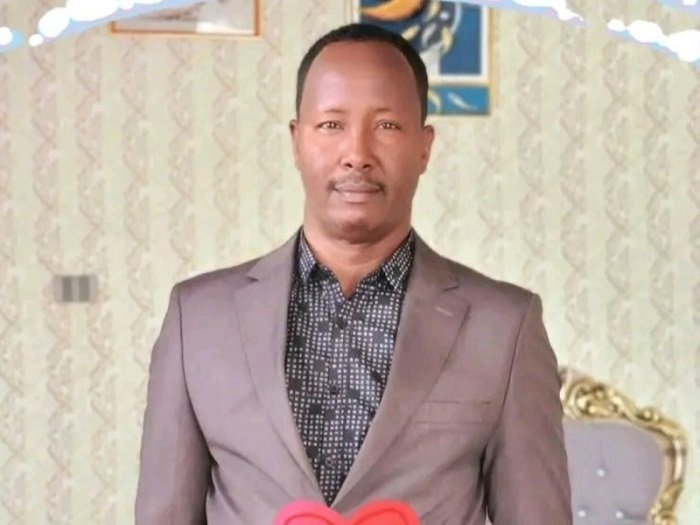
Mohamed Hassen Mohamed (Xareed)
In an era defined by misinformation, social media manipulation, and populist political sentiments, it has become increasingly easy for false narratives to overshadow historical truth, mutual interests, and the genuine aspirations of nations. The relationship between Somalia and Ethiopia is one of the most misunderstood and misrepresented bilateral partnerships in the Horn of Africa. While critics and rumor-mongers on social media attempt to create division by highlighting old scars, history and current regional dynamics both tell a different story—one of an unshakable bond, strategic brotherhood, and a future-oriented partnership. Despite past collisions, the relationship between Somalia and Ethiopia is not only positive and undeniable but also necessitated by shared geography, security, trade, culture, and survival.
1. Historical Tensions Are Real—But Not the Whole Story
It is intellectually dishonest to deny that Somalia and Ethiopia have had historical tensions. From territorial disputes to armed conflict, particularly the Ogaden War in the 1970s, the two nations have, at times, stood on opposite sides of political and military lines. These collisions, however, were driven more by post-colonial borders and Cold War alliances than by irreconcilable ethnic or cultural differences.
But history is not just a record of war—it is also a record of coexistence, shared resilience, and interdependence. For centuries before colonialism carved artificial borders, Somali and Ethiopian communities traded together, intermarried, and lived in overlapping ecosystems. Even during the most strained periods, millions of ethnic Somalis have lived peacefully in Ethiopia’s Somali Regional State, contributing to the social fabric and economy of the country. Similarly, many Ethiopians have found a home, job, or spiritual refuge in Somalia, especially during periods of civil conflict.
2. Social Media Rumors Are Baseless and Dangerous
The rise of digital platforms has allowed destructive narratives to gain traction without accountability. Some social media figures, driven by political motives or shallow patriotism, attempt to mislead people with propaganda that Ethiopia is exploiting Somalia, or vice versa. These statements often lack context, facts, or understanding of the geopolitical and economic realities of the Horn of Africa.
These rumors are not just wrong—they are dangerous. They create an illusion of permanent hostility where none exists. They pit brothers against brothers and undermine the hard-earned efforts of regional diplomacy, conflict resolution, and nation-building. The people of both countries must rise above the noise and look at the truth: that Somalia and Ethiopia need each other now more than ever.
3. Shared Goals: Security, Stability, and Peace
Both Ethiopia and Somalia face the existential threat of terrorism, particularly from Al-Shabaab and other extremist groups operating in the region. These threats do not respect borders. Al-Shabaab has attacked targets in both Somalia and Ethiopia, including in the Somali Regional State of Ethiopia. Neither country can defeat such threats alone.
Recognizing this, Ethiopia has contributed troops to the African Union Mission in Somalia (ATMIS, formerly AMISOM). Somali intelligence has, in return, cooperated with Ethiopian security institutions to dismantle cross-border networks. These joint efforts show a clear and unbreakable alignment of security goals: both countries want peace, order, and safe borders.
If either nation collapses into chaos or war, the effects will ripple across the other. Their security is interconnected, and no amount of national pride can override that reality.
4. Economic Interdependence: A Win-Win Partnership
Ethiopia, with over 120 million people and a rapidly growing economy, is landlocked. Somalia, with over 3,000 kilometers of coastline, is port-rich but infrastructure-poor. Ethiopia needs Somali ports such as Berbera, Kismayo, or Mogadishu to connect to the global economy and reduce reliance on Djibouti, which currently handles over 90% of Ethiopian imports.
At the same time, Somalia stands to gain massive revenue, employment opportunities, and geopolitical influence by partnering with Ethiopia in developing its ports, railways, and logistics infrastructure. Joint investment in transport corridors, industrial zones, and energy pipelines can revitalize both economies and create a new economic corridor across the Horn of Africa.
Instead of seeing each other as rivals, Somalia and Ethiopia are economic complements—each filling a critical gap for the other. This is the very definition of a win-win relationship, not exploitation.
5. Cultural and Religious Kinship: Brotherhood Beyond Borders
Despite their differences in language and historical identity, Somali and Ethiopian people—especially those in the border regions—share significant cultural, religious, and ethnic overlaps. Islam, which is the dominant religion in Somalia and the second-largest in Ethiopia, provides a moral, spiritual, and ethical common ground.
In addition, thousands of Somali Ethiopians serve in government, run businesses, and represent their communities in Ethiopian politics. There are Somali-speaking populations in Ethiopia’s Somali Region, the Oromia region, and even Addis Ababa. Similarly, many Ethiopians have integrated into Somali society over time. This brotherhood is not symbolic—it is lived and real.
6. A Shared Future in Regional Leadership
The African Union, IGAD, and other regional institutions are pushing for greater integration among African countries, especially in the Horn. With the recent inclusion of Ethiopia into the BRICS economic group, and Somalia’s ambitions to join more global platforms, both countries have the chance to collaborate on regional leadership roles. Instead of competing, Somalia and Ethiopia can present a unified front in peacebuilding, trade integration, and climate resilience.
Joint leadership in climate action, counter-terrorism, youth employment initiatives, and digital connectivity could transform the Horn of Africa from a hotspot of crisis into a hub of opportunity.
Conclusion: Brotherhood Is Not Optional—It Is Inevitable
To those who fan the flames of hostility between Somalia and Ethiopia, one truth must be made clear: brotherhood between the two nations is not just desirable—it is inevitable. It is anchored in shared geography, mutual security threats, economic interdependence, and cultural connection. It is demanded by the times, reinforced by the needs of the people, and essential to the long-term survival and prosperity of both countries.
Social media rumors and historical resentments cannot erase the truth: Somalia and Ethiopia will either rise together or fall apart separately. The people of both nations must reject false narratives, embrace dialogue, and support policies that build trust, trade, and togetherness. This relationship is not based on weakness or submission but on mutual respect, equality, and the strength of brotherhood.
In the words of African wisdom: “When the roots of two trees touch underground, their branches will forever intertwine above.” Somalia and Ethiopia are those two trees. Their roots are deep, and their destiny is shared.
Mohamed Hassen Mohamed (Xareed) holds an MBA, Admas University Alumnus, Somaliland, Hargeisa Branch. He is a university lecturer and small business owner, currently based in Jigjiga, Somali Region of Ethiopia.
Editor’s Note : Views in the article do not necessarily reflect the views of borkena.com
__
Support Borkena : https://borkena.com/subscribe-borkena/
Join our Telegram Channel : t.me/borkena
Like borkena on Facebook
Add your business to Ethiopian Business Listing / Ethiopian Business Directory Business Listing Toronto
Join the conversation. Follow us on X (Formerly Twitter) @zborkena to get the latest Ethiopian News updates regularly. Subscribe to YouTube channel To share information or for submission, send e-mail to info@borkena.com