, Read more.)
But the hard road of economic reform—and the “bill” for years of instability—is only just beginning
By: Staff Writer | Borkena
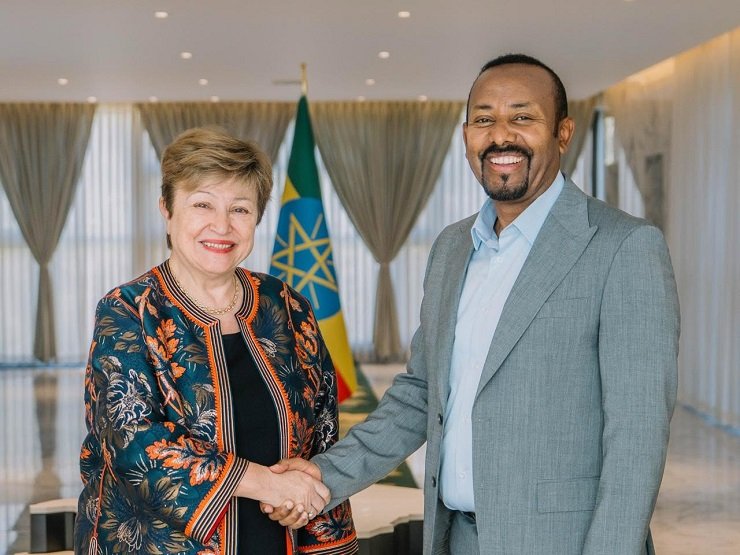
NAIROBI, Kenya — Ethiopia has secured another $464 million in funding from the International Monetary Fund (IMF), yet the latest infusion arrives at a moment that underscores just how fragile the country’s economic recovery remains.
On Wednesday, July 1, 2026, the IMF’s Executive Board officially completed the fifth review of Ethiopia’s 48-month Extended Credit Facility (ECF). The board’s decision grants the government immediate access to the funds, bringing total disbursements under the program to $2.65 billion since it launched in July 2024.
The urgency behind this payout is telling. The IMF confirmed it is front-loading about $200 million of this week’s tranche to help Prime Minister Abiy Ahmed’s administration manage financial shocks triggered by the conflict in the Middle East. That conflict has sent the price of imported fuel soaring, threatening to derail the government’s ambitious—and often scrutinized—economic reform agenda.
Nigel Clarke, the IMF’s deputy managing director, acknowledged the conflict as a “significant external shock,” but he remained firm on the need for continued reform. “The authorities continue to make progress in advancing their economic reform agenda, with favorable macroeconomic outcomes despite a challenging environment,” Clarke noted.
For the administration in Addis Ababa, the payment serves as a dual-purpose signal: a vote of confidence on one hand, and a sharp warning on the other. While the Fund highlighted that Ethiopia has largely stayed on track with its performance targets—citing resilient exports and better tax collection as proof that reforms are gaining traction—the official statement made it clear that the most difficult decisions are still ahead.
The IMF’s list of “must-dos” is increasingly demanding. To keep the program on course, the government must maintain a tight monetary policy, deepen financial reforms, and aggressively increase tax revenue. Perhaps most politically sensitive, the Fund is pushing for the phasing out of fuel subsidies and the completion of debt restructuring, all while trying to shield the nation’s poorest households from the resulting price shocks.
The program is ultimately designed to unwind years of structural distortions that left Ethiopia starved of foreign currency, struggling with high inflation, and weighed down by mounting debt. Whether the government can sustain this pace of reform while navigating these volatile external pressures remains the defining question for Ethiopia’s economic future.
__
Join our Telegram Channel : t.me/borkena
Like borkena on Facebook
Business Listing / Directory Get Listed!
Join the conversation. Follow us on twitter @zborkena to get the latest Ethiopian News updates regularly. Subscribe to YouTube channel To share information or for submission, send e-mail to info@borkena.com