
Eng. Abdi Ali Barkhad
Hargeisa, Somaliland
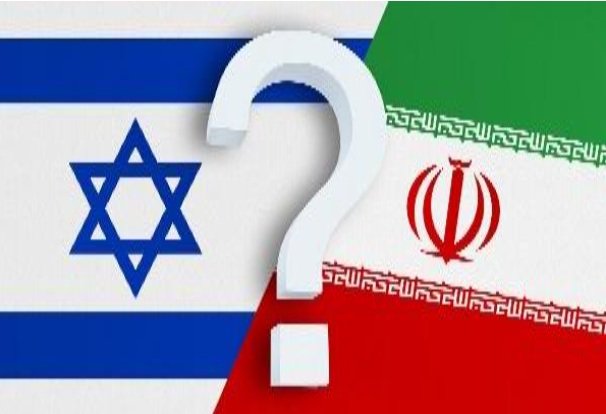
If the conflict between Iran and Israel were to escalate and endure over time, the consequences could be far-reaching and profoundly significant, impacting regions well beyond their immediate borders, especially in the Middle East and parts of Africa. Such an escalation could lead to widespread destabilization, with potential shifts in geopolitical alliances. The involvement of allied nations from both sides would likely amplify hostilities, transforming the regional conflict into a broader confrontation. This could create an environment of increased tension and uncertainty, where nations may begin to mobilize their military resources and form coalitions, heightening fears of a larger-scale war. In this context, observers might view developments as indicative of a new global conflict, sometimes referred to as the onset of a third world war, with implications that could reshape international relations, economies, and security dynamics for years to come.
In a scenario marked by significant disruption, entire regions could experience profound destabilization, setting off a chain reaction that might resonate throughout global political and security frameworks. The implications could be far-reaching, affecting diplomatic relations and alliances as countries react to the shifting balance of power.
Economically, a protracted conflict in this volatile region would likely unleash chaos on oil production and distribution networks across the Middle East, which is home to a considerable portion of the world’s oil reserves. This disruption in one of the most crucial energy-producing areas could lead to a dramatic spike in oil prices, creating a ripple effect that impacts economies far beyond the borders of the nations directly involved. Domestic energy costs would soar, potentially pushing inflation rates higher and squeezing consumers, while global markets could experience pronounced volatility.
Countries heavily reliant on oil imports would find themselves grappling with energy shortages and escalating costs, which could trigger economic instability not only within these nations but also in markets globally. This situation underscores the intricate interconnections of the global economy, emphasizing how localized conflicts can have widespread repercussions, challenging the stability of economies and diplomatic relations around the world. The sentiment of uncertainty may lead to increased speculation, further exacerbating market instability and complicating efforts to forecast economic trends.
The humanitarian impact of escalating hostilities between Iran and Israel could be nothing short of catastrophic. As violence intensifies, we could witness significant population displacements, forcing countless individuals to flee their homes in search of safety. This influx of refugees would not only strain local resources but also exacerbate existing crises in neighboring countries, where communities may already be struggling to manage large numbers of displaced persons. The conditions in these regions are likely to deteriorate further, leading to overcrowded shelters, limited access to essential services, and a dire humanitarian response.
In Africa, numerous countries that depend on the steady supply of Middle Eastern oil and the economic stability it supports could find themselves facing increased economic challenges. The potential disruption of oil supplies due to regional instability might lead to soaring fuel prices, compounding inflation and creating widespread economic uncertainty. This could spark social unrest as populations react to rising living costs and dwindling job opportunities. Additionally, the heightened security threats arising from such turmoil could cause governments to divert resources away from development and social programs toward military spending, further aggravating the socioeconomic situation.
Ultimately, the ongoing conflict could unleash a cascade of far-reaching implications that transcend national borders, influencing global political dynamics and economic stability in profound ways. The ramifications would likely stretch far beyond the immediate conflict, affecting humanitarian conditions across the vast landscape of the Middle East and Africa and reshaping international relations and alliances in the process..
It seems that both countries are struggling to find a path toward a mutually beneficial solution, which raises concerns about the potential for conflict. It’s important to recognize the deep desire for peace and understanding, as we hope to avoid any situation that could lead to devastating consequences, including nuclear war.
Engineer Abdi Ali Barkhad is a Somali Electrical engineer, political analyst, and writer known for his in-depth commentary on the politics of the Horn of Africa and international relations. He has published numerous articles analysing current policies in the region and is a strong advocate for the cause of the Republic of Somaliland. He can be reached at : tra50526@gmail.com
Editor’s Note : Views in the article do not necessarily reflect the views of borkena.com
__
Subscribe : https://borkena.com/subscribe-borkena/
Join our Telegram Channel : t.me/borkena
Like borkena on Facebook
Add your business to Ethiopian Business Listing / Ethiopian Business Directory Business Listing Toronto
Join the conversation. Follow us on X (Formerly Twitter) @zborkena to get the latest Ethiopian News updates regularly. Subscribe to YouTube channel To share information or for submission, send e-mail to info@borkena.com