
Testimony on Human Rights Concerns within ENDF Medical Service
Editor’s note : The author used a pen name for security reasons. Views in the article do not reflect the views of borkena.com
By BM
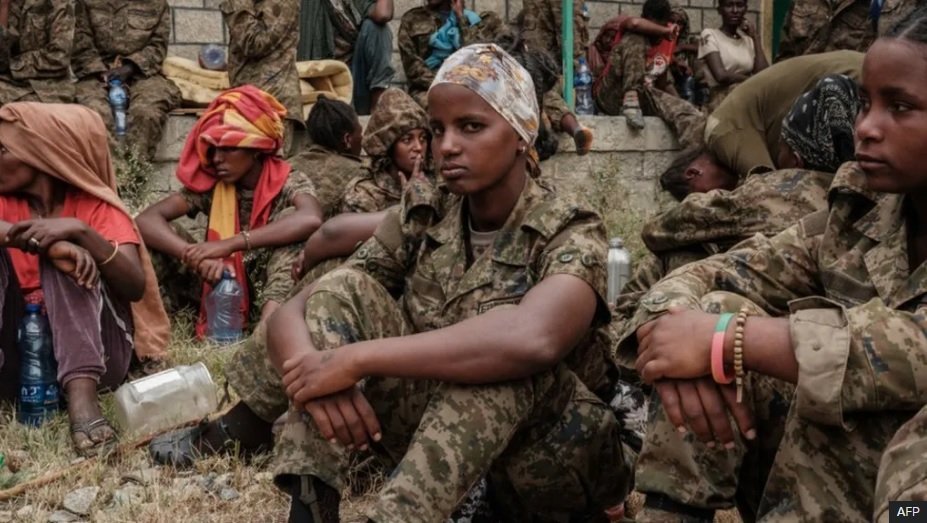
During my service at Kombolcha Level 3 Military Hospital, I witnessed systemic practices that deeply violated the ethical foundations of medicine and the fundamental dignity owed to every patient. What I observed was not a collection of isolated incidents, but a pattern of institutionalized disregard for patient autonomy, human rights, and internationally accepted medical standards.
Coercive Reproductive Control and the Collapse of Confidentiality
One of the most troubling issues emerged during routine consultations with female soldiers. Many of these women discovered they were pregnant only when examined for unrelated medical concerns. Almost immediately, often before I could finish explaining their laboratory results, they would beg me not to document the pregnancy in their medical files. Their fear was unmistakable. They described a system where confidentiality did not exist and where pregnancy information was passed instantly from the clinic to their commanding officers.
With time, a consistent and deeply unsettling picture became clear. These women explained that once a commander became aware of a pregnancy, they were pressured, coerced, or directly told to terminate it, regardless of their own wishes. Their accounts shared the same painful theme. Refusal was not considered an option. Their reproductive choices were treated not as personal medical matters but as issues of military discipline and operational convenience.
Through repeated interactions and careful observation, I came to understand that their accounts were accurate. When I raised these concerns with the medical director, citing both ethical responsibilities and international human rights standards, I was told that the matter was not my concern. The response made it clear that ethical objections were unwelcome and that protecting the institution was valued above protecting patients.
Silencing Survivors of Sexual Violence
Equally distressing were the stories shared by female soldiers who sought care after experiencing sexual violence at the hands of superiors or fellow personnel. Many approached quietly and asked to speak in private, often with visible fear that someone might overhear their words. They described a military environment where reporting such violence was unsafe, where speaking up meant retaliation, and where those who committed the assaults held unchecked authority.
International guidelines require healthcare providers to document injuries, preserve evidence, and ensure that survivors receive trauma-informed care. Inside the military hospital, these responsibilities were often blocked. Documentation was discouraged, and the creation of medical records that could serve as evidence was viewed as a threat rather than a duty. As a result,
survivors were left without proof of their assaults and without access to essential psychological care, including treatment for trauma related disorders.
When I raised concerns about this pattern, the administrative response was immediate and unambiguous. I was told not to interfere. The message was clear. The system placed secrecy above accountability and preferred silence over protection. It became evident that the military hospital did not function as a place of healing but as an extension of a hierarchy determined to suppress any challenge to its authority.
Psychiatric Neglect and the Recycling of Trauma
Another serious ethical crisis involved the treatment of soldiers suffering from psychiatric illnesses. Many arrived with severe depression, anxiety, trauma related symptoms, or long-standing mental health conditions that had never been addressed during recruitment. International humanitarian and medical guidelines state clearly that individuals with significant psychiatric disorders should not be deployed into active conflict zones, both for their own safety and for the safety of their units.
Despite this, clinical necessity was repeatedly overshadowed by operational demands. Physicians were often instructed to discharge patients before they were stable or to declare them fit for duty even when their symptoms made this unsafe. Others were refused admission entirely when they sought help for mental health concerns. The justification was always the same. The defense force was in a period of critical operations and could not afford to reduce its number of active personnel.
When I formally raised objections to these directives, my concerns were dismissed. This response reflected a broader institutional belief that psychological suffering was secondary to military needs, an attitude that placed vulnerable individuals at serious risk and violated the basic principles of ethical medical care.
Editor’s Note : Views in the article do not necessarily reflect the views of borkena.com
__
Support Borkena : https://borkena.com/subscribe-borkena/
Join our Telegram Channel : t.me/borkena
Like borkena on Facebook
Borkena Ethiopian News Youtube Channel
To submit Press Release, send submission to info@borkena.com
Add your business to Ethiopian Business Listing / Ethiopian Business Directory
Join the conversation. Follow us on X (Formerly Twitter) @zborkena to get the latest Ethiopian News updates regularly.