
Congressional Conference to Spotlight Mass Killings, Religious Persecution, and the Urgent Need for International Action Ethiopia’s Deepening Human Rights and Humanitarian Crisis: Congressional Conference to Spotlight Mass Killings, Religious Persecution, and the Urgent Need for International Action
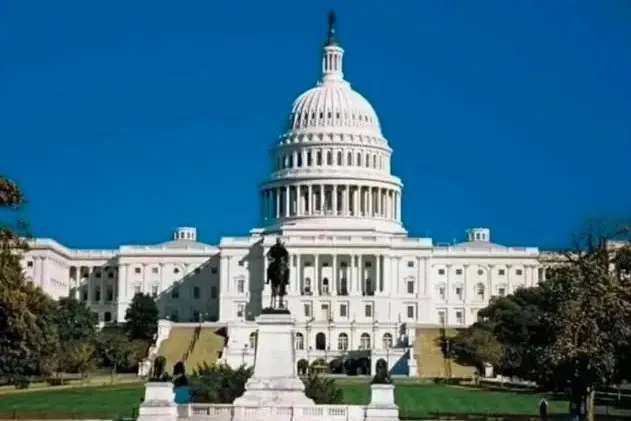
WASHINGTON, D.C. — November 11, 2026
A major Congressional conference scheduled for December 11, 2026, in Conference Room 2075 of the Rayburn House Office Building on Capitol Hill will bring renewed attention to Ethiopia’s worsening human rights and humanitarian crisis. The conference comes amid mounting reports of mass killings, religious persecution, widespread displacement, destruction of property, and continuing violence against innocent civilians across multiple regions of the country.
At a time when Ethiopia faces escalating political instability, ethnic tensions, armed conflict, and a deepening humanitarian emergency, the conference will provide an important platform for human rights advocates, Ethiopian American community leaders, policymakers, and other concerned stakeholders to examine the deteriorating situation and call for meaningful international action.
The conference will focus particularly on the suffering of civilians in the Amhara, Oromia—including Arsi and Wollega—and Benishangul-Gumuz regions. Reports of killings, abductions, attacks on religious institutions, destruction of homes, and other serious human rights violations underscore the urgent need for independent investigations, civilian protection, and accountability.
Allegations of abuses involving government security forces, regional militias, and various armed groups must be examined impartially. No individual or institution should be above the law, and no civilian should become a target because of ethnicity, religion, political affiliation, or geographic identity.
Ethiopia’s Humanitarian Catastrophe: Millions Displaced and Communities Devastated
Ethiopia’s humanitarian emergency has reached alarming proportions. Humanitarian reporting indicated that more than 2.9 million people were internally displaced by late 2024, while more than 141,000 Ethiopian refugees were reported to be living outside the country. These figures demonstrate the enormous human cost of prolonged conflict, insecurity, and political instability.
The crisis has continued to evolve in 2026, with additional displacement reported in conflict-affected communities. Since September 2026, reports of intensified violence in the Amhara region have raised further concerns, including claims of more than one million additional people displaced. These figures require independent verification, but the reported scale of suffering demands immediate attention.
Behind every displacement figure is a human tragedy. Families have been separated, children have lost access to education, farmers have abandoned their land, and entire communities have been forced to flee their homes. Many displaced families struggle to obtain food, clean water, healthcare, shelter, and basic protection.
Hospitals and other essential public infrastructure have reportedly been damaged or destroyed in conflict-affected areas. Medical personnel, patients, and humanitarian workers face significant obstacles in reaching vulnerable populations. The destruction of healthcare facilities, combined with food insecurity and restricted humanitarian access, has further intensified civilian suffering.
The humanitarian crisis in Ethiopia deserves the same seriousness and international attention afforded to other major global emergencies. The suffering of millions of Ethiopians must not be overlooked simply because other international conflicts dominate the headlines.
Government Responsibility and the Protection of Civilians
The Ethiopian government has a fundamental constitutional and moral responsibility to protect the lives, safety, religious freedom, and property of all its citizens, regardless of ethnicity, religion, political affiliation, or geographic location.
This responsibility includes preventing attacks against civilians, maintaining public security, protecting religious institutions, ensuring humanitarian access, investigating credible reports of human rights violations, and holding those responsible accountable through fair and independent legal proceedings.
The government cannot dismiss this responsibility or shift it entirely to regional authorities and other political actors. Protecting innocent civilians is among the most fundamental obligations of any government.
The international community should continue pressing Ethiopian authorities and all armed actors to fulfill their obligations and ensure that civilians are protected.
Ethnic Federalism and the Erosion of National Unity
One of the central issues expected to receive considerable attention at the December 11 conference is the impact of Ethiopia’s ethnic-based federal system on national unity, political stability, and the protection of fundamental human rights.
Critics of ethnic federalism argue that the system has institutionalized ethnic divisions, weakened national cohesion, and contributed to a political environment in which ethnic identity increasingly influences political representation, access to security, and relations between communities.
Rather than creating a genuinely inclusive political system, the framework has, according to its critics, deepened divisions and contributed to recurring cycles of political confrontation, insecurity, and violence.
The consequences have been particularly devastating for civilians in Amhara and Oromia, where communities have experienced repeated attacks, displacement, and insecurity.
Ethiopia needs a political and constitutional framework that guarantees equal citizenship and protects the fundamental rights of every Ethiopian. National unity must not require the suppression of cultural, linguistic, or religious diversity. Instead, diversity should be protected within a democratic system founded on equality, individual rights, constitutional guarantees, and the rule of law.
The conference will provide an opportunity to discuss comprehensive constitutional reform, inclusive political dialogue, and the development of independent institutions that serve all Ethiopians equally.
Mass Killings and the Persecution of Ethiopian Orthodox Christians
Among the most disturbing aspects of Ethiopia’s human rights crisis are reports of continuing attacks against Ethiopian Orthodox Tewahedo Christians, including targeted killings, attacks on places of worship, and the destruction and burning of religious institutions.
Reports emerging from Arsi, Wollega, and other parts of Oromia have described horrific attacks against Orthodox Christian communities. In several reported incidents, civilians have allegedly been targeted because of their religious identity, while churches, homes, and other religious properties have been attacked or destroyed.
The suffering of Ethiopian Orthodox Christians cannot be separated from the broader human rights crisis affecting the country. Religious persecution, ethnic violence, and political instability have become interconnected challenges that demand immediate attention.
The Ethiopian government has a constitutional and moral obligation to protect religious freedom and ensure the safety of every religious community. The protection of churches, mosques, monasteries, clergy, worshippers, and other religious institutions must be guaranteed under the law.
Repeated attacks, coupled with concerns about inadequate investigations and the absence of accountability, raise serious questions about the effectiveness of existing security and law enforcement mechanisms.
The deliberate targeting of civilians because of their religious or ethnic identity must never be tolerated. The international community should take seriously credible warnings of potentially genocidal violence and support impartial investigations into allegations of mass atrocities.
Religious freedom is a fundamental human right, not a privilege granted by political authorities.
Transitional Justice Without Accountability Is Not Justice
Another important issue is Ethiopia’s transitional justice process, which was presented as a mechanism for addressing past atrocities, promoting reconciliation, and establishing accountability.
However, serious concerns remain regarding transparency, independence, inclusiveness, and the implementation of meaningful reforms.
A transitional justice process cannot succeed if victims and affected communities are excluded, perpetrators remain unaccountable, or investigations are influenced by political considerations. Justice must be applied equally, regardless of ethnicity, political affiliation, religious identity, or government position.
Ethiopia needs an independent and credible accountability mechanism capable of investigating serious violations committed by all parties to the conflict. Victims and survivors must have meaningful opportunities to participate in the process, and those responsible for serious crimes must face appropriate legal consequences.
Without accountability, reconciliation becomes an empty promise. Sustainable peace cannot be built on impunity, selective justice, or the deliberate exclusion of affected communities.
The Responsibility of the United States and the International Community
The December 11 Congressional conference will also examine the important role the United States can play in encouraging a peaceful, democratic, and stable future for Ethiopia.
The United States has historically maintained significant diplomatic, economic, and security relationships with Ethiopia. These relationships provide Washington with considerable diplomatic influence and opportunities to encourage respect for human rights, civilian protection, democratic governance, and political reform.
Under President Donald Trump, the administration and Congress should give renewed attention to Ethiopia’s deteriorating humanitarian and security situation. Addressing this crisis should be viewed not only as a human rights priority but also as an important component of U.S. policy toward the Horn of Africa.
Congressional leadership and bipartisan engagement are particularly important. Members of the House and Senate should consider stronger oversight, bipartisan legislative initiatives, targeted sanctions against individuals credibly implicated in serious human rights violations, and appropriate conditions on U.S. assistance.
Such measures should be carefully designed to promote accountability without worsening the suffering of ordinary Ethiopians.
The United States should also work closely with the United Nations, African Union, European Union, and regional partners to advance the following priorities:
- Immediate Protection of Civilians: Press the Ethiopian government and all armed actors to end attacks against civilians and protect vulnerable communities.
- Independent Investigations: Support credible and impartial investigations into reported mass killings, religious persecution, forced displacement, and other serious human rights violations.
- Expanded Humanitarian Assistance: Improve access to emergency food, medicine, shelter, and healthcare for displaced populations and communities affected by conflict.
- Accountability and Justice: Pursue appropriate consequences for individuals responsible for atrocities and ensure that transitional justice mechanisms are independent, transparent, and inclusive.
- Inclusive National Dialogue: Encourage a genuinely inclusive political process involving all major stakeholders, including representatives of Amhara, Oromo, Tigrayan, and other Ethiopian communities.
- Democratic and Constitutional Reform: Support fundamental freedoms, religious liberty, freedom of expression, independent media, judicial independence, and free and credible elections.
- Stronger International Diplomatic Engagement: Strengthen U.S. diplomatic leadership in the Horn of Africa and coordinate efforts with regional and international institutions to prevent further destabilization.
The United States should use its diplomatic relationships and international partnerships to encourage a peaceful political process that addresses the underlying causes of Ethiopia’s conflicts.
Ethiopia’s Crisis Is a Threat to Regional Stability
Ethiopia is strategically important to the Horn of Africa and the African continent. Its continued instability carries consequences extending well beyond its national borders.
The country’s conflicts and humanitarian emergency have contributed to population displacement and placed additional pressure on neighboring countries, including Sudan and Kenya. Continued instability also threatens regional security, economic development, cross-border cooperation, and the broader interests of the international community.
With a population exceeding 120 million, Ethiopia is one of Africa’s most strategically significant countries. Its stability is essential not only to the well-being of its citizens but also to the long-term security and economic development of the Horn of Africa.
The international community cannot afford to wait until the crisis becomes even more difficult to contain. Preventive diplomacy, inclusive political engagement, and sustained international attention are urgently needed.
Ethiopian Americans Urge African Union to Include Amhara People in Ethiopia’s Peace Process
The importance of an inclusive political process was also emphasized in a recent interview with Channel Africa, during which Ethiopian American civic advocates discussed their appeal to African Union Commission Chairperson Mahmoud Ali Youssouf.
The Coalition of Ethiopian Americans Civic Organizations called on the African Union to support an inclusive and sustainable peace process that gives the Amhara people and all major stakeholders a meaningful voice in discussions concerning Ethiopia’s future.
The advocates expressed concern that the Pretoria Agreement was limited to its signatories, while other conflicts, civilian suffering, displacement, and serious human rights concerns continued across Ethiopia.
Their appeal to the African Union emphasized four important priorities:
- Inclusion of the Amhara people and all major stakeholders in peace negotiations.
- Protection of civilians and religious freedom.
- Impartial investigations and accountability for human rights violations.
- Meaningful national dialogue addressing the underlying causes of conflict.
As emphasized during the interview, military action alone cannot deliver lasting peace. Ethiopia needs inclusive dialogue, justice, accountability, and genuine national reconciliation.
Channel Africa Interview:
Listen to the interview: Ethiopian Americans Call on the African Union to Ensure Amhara Inclusion in Ethiopia’s Peace Process
A Call to Action: Ethiopian Americans Must Make Their Voices Heard
The December 11 Congressional conference represents an important opportunity to bring the voices and concerns of suffering Ethiopians directly to policymakers in Washington.
For Ethiopian Americans, this is more than a political discussion. It is a humanitarian responsibility and a commitment to defending the fundamental rights, dignity, and lives of innocent civilians in their homeland.
Ethiopian Americans are taxpayers, constituents, and active members of American society. They have every right to ask their elected representatives to pay attention to the suffering of millions of people in Ethiopia and to use America’s diplomatic influence to encourage meaningful change.
Community participation and sustained advocacy are essential. Ethiopian Americans should continue contacting their representatives in Congress, sharing credible reports, supporting independent human rights documentation, and encouraging bipartisan action.
Accurate information is equally important. The international community cannot respond effectively without reliable reporting, independent documentation, and the willingness of human rights advocates, journalists, religious leaders, and affected communities to speak openly about atrocities.
Silence and indifference risk allowing impunity to flourish and further violence to continue.
Ethiopia deserves a future built on democratic governance, equal citizenship, constitutional protections, religious freedom, national reconciliation, and respect for human dignity. No ethnic group, religious community, or political constituency should be left vulnerable to violence or denied equal protection under the law.
The United States Congress, the Trump administration, and the international community must recognize that protecting innocent civilians is not optional. It is a fundamental responsibility under international human rights principles.
The December 11 Conference: An Opportunity for Meaningful Action
The December 11 Congressional conference on Capitol Hill is an opportunity to move beyond expressions of concern and toward concrete policy recommendations and sustained international engagement.
The conference seeks to elevate the experiences of victims and affected communities, encourage bipartisan Congressional attention, and advance practical measures to protect civilians, promote accountability, and support an inclusive political process.
The central message is clear: Ethiopia’s human rights and humanitarian crisis must no longer be ignored. The lives and dignity of innocent Ethiopians matter. The time for meaningful international engagement, accountability, and the protection of civilian lives is now.
Ethiopia needs peace, justice, democracy, and equal protection for all its citizens. The international community must act before more innocent lives are lost.
Conference Information
Event: Human Rights and Humanitarian Crisis in Ethiopia
Date: Friday, December 11, 2026
Time: 9:30 a.m.
Location: Conference Room 2075, Rayburn House Office Building, Capitol Hill, Washington, D.C.
__
Disclaimer: Content in the Press Release category is provided by third parties and published as received, without editorial modifications. Borkena.com, one of the leading Ethiopian news portals based in Toronto, assumes no responsibility for the accuracy of the information. The views and opinions expressed do not necessarily reflect those of Borkena.com
Support : https://borkena.com/subscribe-borkena/
Borkena Ethiopian News Youtube Channel
Join our Telegram Channel : t.me/borkena
Like borkena on Facebook
To submit Press Release, send submission to info@borkena.com
Add your business to Ethiopian Business Listing / Ethiopian Business Directory
Join the conversation. Follow us on X (Formerly Twitter) @zborkena to get the latest Ethiopian News updates regularly.