
Editor’s note : Views in the article do not necessarily reflect the views of borkena.com
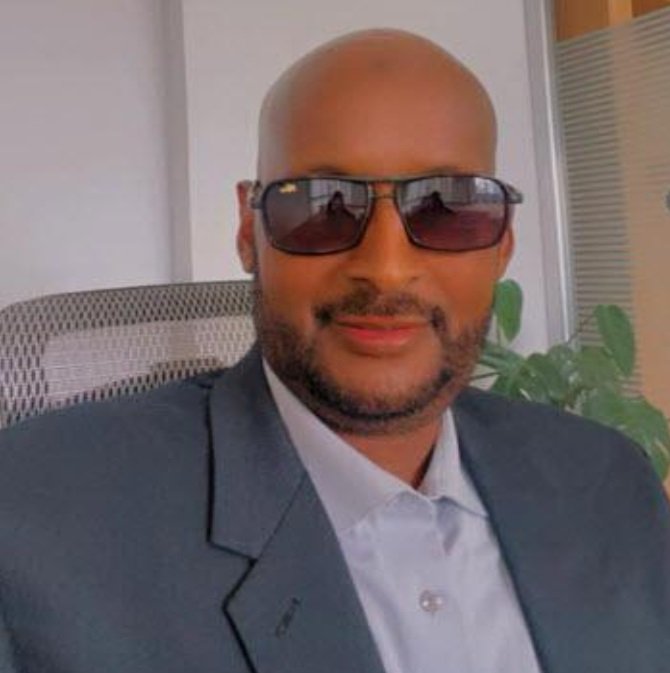
By Mohamud A. Ahmed – Cagaweyne
A Region at a Crossroads: Choosing Maturity Over Chaos
Maturity is not defined by the passage of years but by the embodiment of wisdom, foresight, and responsibility. In the Somali Region of Ethiopia, the concept of maturity must transcend individual perspectives and evolve into a collective ethos. As a society navigating the intricate intersections of historical legacies and modern challenges, maturity is no longer a choice – it is an essential mandate. It is the compass steering us toward peace, the cornerstone of progress, and the bulwark against chaos.
Over the past seven years, the Somali Region has basked in an unprecedented era of tranquility – a delicate yet monumental milestone in a region long shadowed by instability. This peace is far more than the mere absence of conflict; it is the fruit of unity, effective governance, and the relentless dedication of regional law enforcement. However, this hard-won stability now faces mounting threats, not only from external adversaries but also from internal discord amplified by the cacophony of social media. Those who traffic in the division for the sake of fleeting attention or subscriptions are sowing seeds of discontent, imperiling the fragile fabric of collective harmony. Disturbingly, it is increasingly plausible that terror organizations exploit such individuals, using financial incentives to channel their malevolent and horrifying agendas through these digital avenues.
The Law Is Not Tribal: It Is the Shield of Stability
Law enforcement, as an institution, is not an instrument of tribal dominance but the embodiment of collective security. Officers who uphold the law are not aligned to one group; they are defenders of all. To undermine or attack these institutions is to weaken the pillars that support peace. Such actions only embolden the very forces that seek to destabilize the region and erode our shared progress.
The Somali Region’s law enforcement has room for improvement, particularly in training on rules of engagement and the respect of human rights. However, demonizing them as instruments of tribal interests or incompetence only plays into the hands of adversaries. Law enforcement, while imperfect, remains the bulwark against chaos, and undermining their authority risks dismantling the progress Ethiopia has achieved at great cost along with the people of the region.
The Hidden Hands Behind Dacawaley: A Warning and a Call to Action
The tragic events between the Fafan and Jarar zones, especially in Dacawaley, must serve as a solemn warning. Beneath the surface of local disputes lie shadowy actors with agendas that extend far beyond the immediate grievances of communities. These hidden hands exploit tribal differences to sow discord, destabilize the region, and further their sinister objectives. The Somali Region cannot afford to let such incidents spiral into larger conflicts. Vigilance and an unwavering commitment to peace are required from all.
Traditional conflict resolution mechanisms, honed over centuries, have been the cornerstone of harmony among tribes. However, today’s conflicts are manipulated by forces intent on tearing apart the social fabric. The government, with the support of community leaders, must strengthen these traditional frameworks while simultaneously equipping law enforcement to expose and neutralize these hidden threats. Only by rejecting violence and supporting law enforcement can the Somali Region protect its hard-won stability.
Ethiopia’s Strategy: Building a Buffer Zone for Peace
Ethiopia must take decisive action to shield the Somali Region from external threats that jeopardize its stability. With a vast 1,700-kilometer border shared with Somalia, the federal government must establish a strategic and well-equipped buffer zone to insulate the region from turbulence across the border. This is not an act of aggression but a calculated and necessary measure to counter Somalia’s persistent instability, particularly Al-Shabaab’s calculated strategy to sow chaos. Al-Shabaab’s long-term agenda extends beyond violence, exploiting ideological manipulation to influence weak politicians and tribal-minded individuals by introducing divisive narratives and advocating for the fragmentation of the region.
These tactics have successfully destabilized communities across the border and are now being exported to the Somali Region, introducing fabricated tribal labels and fueling internecine conflict. The seeds of division are sown with the intent of fracturing communities, creating internal strife, and undermining unity. Ethiopia must act with urgency to ensure these tactics do not take root in its territory.
To bolster this defense, the federal government must strengthen the Somali Regional Administration with substantial support, including enhanced resources, advanced training, and logistical capacity to address emerging security challenges effectively. The Somali Region has proven its resilience and governance capability over the years, but increased federal collaboration will ensure it remains a robust frontline against destabilizing forces. This united approach will not only protect Ethiopia’s sovereignty but also preserve the peace and stability that the Somali Region has worked tirelessly to achieve.
National Leadership: Defending Peace as a Shared Responsibility
Ethiopian leaders, led by Prime Minister Dr. Abiy Ahmed, and opposition figures like ONLF must prioritize defending region and zones that enjoy peace and stability. The Somali Region is a critical pillar of Ethiopia’s national security and regional influence. Protecting its peace should not be left solely to the regional administration. The stakes are too high for political divisions or complacency.
National leadership must rally behind this cause, treating it as a matter of national urgency. Resources, manpower, and strategic planning should be mobilized to support the Somali Region. Opposition leaders, too, must recognize that stability transcends political rivalries. A unified approach to defending peaceful zones will send a clear message to adversaries: Ethiopia stands united in protecting its people and territory, no matter the cost.
The Danger of Digital Negligence: Words as Weapons
Once a tool for connection and progress, social media has devolved into a battlefield where words are wielded as weapons of division. Divisive narratives, amplified by algorithms that prioritize sensationalism, now possess the dangerous power to incite violence and erode trust in institutions. Those who manipulate these platforms to sow discord are not mere provocateurs; they are deliberate architects of chaos. Alarmingly, even individuals with high credentials sometimes fall prey to these dark forces, resorting to spreading falsehoods – such as fabricated claims of massacres in the region. These distortions are deeply troubling, signaling a broader agenda to destabilize not only the Somali Region but Ethiopia and the Horn of Africa at large. The hidden hands behind these narratives are elusive but insidious, aiming to fracture communities and undermine national unity.
Astute minds must recognize this threat and act decisively. Intellectuals, thought leaders, and citizens alike must join forces with the regional administration and federal government to expose and neutralize these destructive forces before their schemes take root.
Mature societies grasp the profound weight of words and the immense responsibility they carry. A single post or video can act as a spark, igniting flames capable of consuming entire communities. The Somali Region must rise above this digital cacophony, rejecting the allure of sensationalism and focusing instead on crafting narratives that promote unity, resilience, and hope. It is through this collective vigilance and commitment that the region can withstand and overcome the forces that seek to undo its progress.
The Relentless Battle Against the Shadows
Every time I attempt to rest my pen, the shadows grow darker, and the forces of chaos hurl stones at the Somali Region and the nation. These forces, like demons lurking in the periphery, knot words into weapons of division and hatred. Silence is no longer an option. The pen must remain a sword, cutting through the lies and illuminating the path toward peace. This is not just a battle of politics or governance – it is a battle for the soul of a region and the future of a nation.
The Dream of a Unified Somali Region
In the face of internal and external threats, the Somali Region must prioritize unity above all else. This unity is not a call for uniformity but a commitment to a shared vision of peace and prosperity. It requires setting aside tribal differences, rejecting divisive narratives, and embracing the collective identity of a harmonious and resilient region.
Maturity is about growth, adaptation, and resilience. It is about choosing dialogue over violence, wisdom over impulsiveness, and peace over chaos. The Somali Region has the potential to shine as a beacon of stability in the Horn of Africa, but only if its people and leaders embrace this mindset.
Conclusion: Peace as the Ultimate Priority
The Somali Region of Ethiopia stands at a pivotal juncture, a crossroads where the choices made today will define its legacy for generations to come. By prioritizing peace, rejecting divisive rhetoric, and embracing collective maturity, the region can safeguard its hard-won progress and pave the way for a future marked by stability and prosperity. However, dark forces continue to deploy false and dangerous narratives – insisting, for example, that the Somali Region is an artificial amalgamation of two separate regions that must now be divided. Such divisive rhetoric is a calculated tactic designed to lure the disillusioned and sow discord among the people. These narratives are not rooted in truth but are tools of destabilization wielded by those intent on fracturing the unity of the region and the nation.
This is a call to action for all – leaders, elders, and citizens alike. Stand firm, united, and vigilant against these destructive forces. Recognize these falsehoods for what they are and prevent them from taking root in the region. Peace is not just an aspiration but a responsibility, an identity, and the bedrock upon which the Somali Region and Ethiopia must build their futures.
As guardians of stability, we must rise above the forces of chaos and division. Let the Somali Region continue to serve as a beacon of resilience, a testament to the power of unity, and a shining example of the Ethiopian spirit. Peace is the ultimate priority, and by upholding it, we ensure that the region’s legacy remains one of strength, harmony, and shared progress.
The writer can be reached at : +251900644648
Editor’s note : Views in the article do not necessarily reflect the views of borkena.com
__
To Publish an Article On borkena , please send submission to info@borkena.com for consideration.Join our Telegram Channel : t.me/borkena
Like borkena on Facebook
Add your business to Borkena Business Listing/Business Directory Jobs
Join the conversation. Follow us on X (formerly Twitter ) @zborkena to get the latest Ethiopian news updates regularly. Ethiopia To share information or for submission, send e-mail to info@borkena.com
I share the brother’s opinion when he highly suggested that maturity should take precedence over personal perspectives. Which means those in the know must leave their egos at the door. Inter clan and inter tribe conflicts are not uncommon in the old country. Such conflicts lend their causes to mostly grazing and watering rights. But once the people began settling down such conflicts disappeared in many areas. That is until now. The population has ballooned beyond the capabilities of the resources around them to support it. Conflicts for grazing lands have now been replaced by conflicts for arable lands. Farmers/peasants that have called places home have been driven away from their decades old domiciles. You add bigots and connivers to the equation, then you have bloody conflicts beyond the power and abilities of the local elderly to stop them. Look at how these bigots and connivers among our Diaspora are fanning the flames around this particular incidence. You see them alleging that hundreds and thousands have died. For me one Allah Blessed human life is life too many but exaggerating the numbers into hundreds and thousands is nothing but the work of an evil. Let’s hope and pray that the elderly and level heads like Brother Mohamud triumph over the evil and help sustain peace and stability in the region. Insha’Allah!!!