
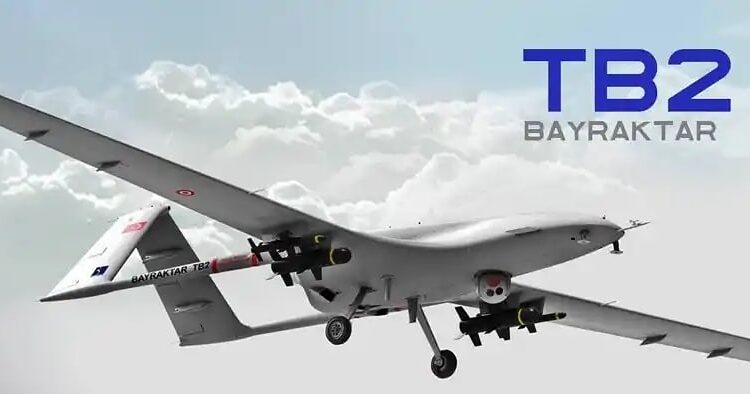
By Assefa Gizachew Tesfahun
Introduction
The escalating conflict in Ethiopia’s Amhara region has intensified following the ongoing war between the Ethiopian government and the Amhara based Fano militia, a regional paramilitary force. Drone strikes targeting civilians and critical infrastructure have contributed to a mounting humanitarian crisis, exacerbating ethnic tensions and deepening societal divisions. This proposal calls for immediate international action to address the impact of these drone strikes, ensure accountability for human rights violations, and foster peace in the region. Recent academic and policy reports on the Fano insurgency underscore the need for urgent intervention.
Context and Background
The conflict in Ethiopia’s Amhara region stems from long-standing ethnic and political tensions exacerbated by the 2020 Tigray War. In 2023 and 2024, the conflict escalated due to increasing tensions between the Ethiopian federal government and the Fano militia, which has grown in strength and popularity in the Amhara region (Dagnew, 2024). The Fano insurgency, while rooted in regional autonomy and historical grievances, has led to a violent standoff with government forces, further destabilizing the region.
As Chanie (2024) explains, the Fano movement draws its strength from Amhara’s historical military traditions and the perceived marginalization of the Amhara people under the current federal system. The Ethiopian government’s use of drone strikes against both Fano forces and civilian populations has resulted in widespread destruction, compounding the region’s political and humanitarian challenges.
Key Human Rights Violations
1. Drone Strikes on Civilians and Infrastructure: Recent reports highlight the Ethiopian government’s use of drone strikes as a primary method of suppressing Fano forces in Amhara. However, these strikes mostly target civilians and critical infrastructure such as hospitals, schools, and marketplaces (Ethiopian Human Rights Commission, 2022). Amnesty International (2023) reports that the strikes violate international humanitarian law by failing to distinguish between military and civilian targets, causing significant civilian casualties and devastating key public services.
2. Fano Insurgency and Government Repression: The Fano militia’s resistance against government forces has deepened ethnic divisions and escalated violence in Amhara. Abbink (2021) and Medhane (2023) argue that the Ethiopian government’s heavy-handed military response, including drone strikes, has worsened the conflict, driving more Amhara youth to join Fano forces. In his study of the roots of the Fano struggle, Dagnew
(2024) emphasizes that the conflict is not only about military power but also reflects broader political and social grievances, including the perceived marginalization of the Amhara people.
3. Displacement and Ethnic Targeting: Zewdie (2023) and the International Refugee Rights Initiative (2023) document widespread displacement caused by both the Fano insurgency and government drone strikes. Many Amhara civilians have been forced to flee their homes, exacerbating the humanitarian crisis in the region. Ethnic targeting of Amhara communities by government forces and the indiscriminate use of drones have led to allegations of ethnic cleansing, further intensifying the conflict.
4. Destruction of Critical Infrastructure: Abate (2022) notes that the drone strikes have destroyed essential infrastructure, including hospitals, schools, and agricultural facilities, severely damaging Amhara’s economy and social services. The destruction of schools and health services has disrupted education and access to medical care for thousands of civilians, worsening food insecurity and increasing the region’s vulnerability to further conflict.
5. Failure of Transitional Justice: The ongoing violence, including the use of drone strikes, reflects the failure of Ethiopia’s transitional justice efforts. Medhane (2023) and the Coalition for Human Rights in Ethiopia (2023) argue that the government’s inability to address ethnic grievances and past atrocities has fueled the current conflict, with little progress toward holding those responsible for human rights violations accountable.
Recent Developments on the Fano-Ethiopian Government Conflict (2023-2024)
⮚ Fano Resistance and Historical Context: Chanie (2024) provides a detailed analysis of the Fano movement, linking its resurgence to the historical military traditions of the Amhara people. The conflict has escalated as the Fano militia opposes both government policies and what it perceives as federal intervention in regional autonomy. As Chanie highlights, this resistance is deeply rooted in long
standing historical grievances about the political marginalization of the Amhara within Ethiopia’s ethnic federal system.
⮚ The Role of the Ethiopian Government: Abbink (2021) and Dagnew (2024) criticize the Ethiopian government’s handling of the Amhara conflict, particularly the heavy reliance on drone strikes and military force. Abbink (2021) argues that the federal government’s policies have alienated the Amhara population, leading to widespread support for Fano forces and making peaceful reconciliation increasingly difficult. Dagnew (2024) notes that the conflict has resulted in rising tensions not only in Amhara but also in other regions, threatening Ethiopia’s overall stability.
⮚ Humanitarian Crisis and Displacement: Necho, A & Debebe, Y. (2024) emphasize the humanitarian toll of the Fano and Ethiopian government conflict. The displacement of thousands of civilians, combined with the destruction of critical infrastructure, has created a severe humanitarian crisis. Many displaced civilians lack access to food, shelter, and healthcare, while drone strikes continue to disrupt aid efforts and make it difficult for humanitarian organizations to operate in affected areas.
Recommendation for Immediate Action
1. Immediate Halt to Drone Strikes: The Ethiopian government must immediately cease the use of drone strikes targeting civilian populations and critical infrastructure in Amhara. These strikes violate international humanitarian law and exacerbate the suffering of civilians. Diplomatic pressure from the international community, including the African Union and United Nations, is necessary to ensure the cessation of these indiscriminate attacks.
2. Independent Investigation into Human Rights Violations: An independent investigation led by the United Nations or African Union must be initiated to document human rights violations in the Amhara region, including the role of drone strikes in the conflict. This investigation should focus on identifying the perpetrators of war crimes and ensuring that those responsible for ordering and carrying out the strikes are held accountable, potentially through international legal mechanisms such as the International Criminal Court (ICC).
3. Humanitarian Assistance for Displaced Populations: Urgent humanitarian assistance is required for the thousands of civilians displaced by the conflict. International organizations, including the United Nations High Commissioner for Refugees (UNHCR), must mobilize resources to provide food, shelter, and medical care to those affected by drone strikes and other violence. Special efforts should be made to ensure that displaced children have access to education, as the conflict has disrupted schooling for millions of students.
4. Reconstruction of Critical Infrastructure: The destruction of infrastructure in Amhara region must be addressed through an international reconstruction effort. Hospitals, schools, and agricultural facilities that have been destroyed by drone strikes must be rebuilt to restore essential services to civilians. International donors and development agencies should coordinate with the Ethiopian government to ensure that rebuilding efforts are prioritized and adequately funded.
5. Transitional Justice and Accountability: Ethiopia’s transitional justice process must be revisited to ensure that it addresses both past and ongoing human rights violations, including those committed during the current Fano and Ethiopian government conflict. A comprehensive justice framework that includes reparations for victims, accountability for perpetrators, and mechanisms for ethnic reconciliation is essential to preventing further violence and fostering long-term peace.
Conclusion
The ongoing conflict between the Ethiopian government and the Fano militia, compounded by indiscriminate drone strikes, has created a dire humanitarian and human rights situation in the Amhara region. Immediate international action is required to halt the violence, investigate human rights abuses, provide humanitarian aid, and rebuild critical infrastructure. This paper addresses the conflict and fosters a peaceful resolution, drawing on recent academic and policy reports that emphasize the need for accountability, justice, and sustainable development in Ethiopia.
Reference
Abate, G. K. (2022). Civil War Induced Human and Economic Crises in Northeastern Ethiopia from 2020-2022.
Abbink, J. (2020). The Atlantic Community mistake on Ethiopia: counter-productive statements and data poor policy of the EU and the USA on the Tigray conflict.
Amnesty International. (2023). Ethiopia: State of Emergency Declared Amid Unrest.
Chanie, T. A. (2024). The Current Amhara Fano Resistance: Viewed from the Historical Military Tradition of the Amhara People. East African Journal of Arts and Social Sciences, 7(1), 326-340.
Coalition for Human Rights in Ethiopia. (2023). Transitional Justice in Ethiopia: A Failed Promise.
Dagnew Mr, A. (2024). Roots of Turmoil: Exploring the Causes behind Fano Force’s Struggle against Abiy Ahmed’s Administration. Journal of African Conflicts and Peace Studies, 6(1), 9.
Ethiopian Human Rights Commission. (2022). Report on Human Rights Violations in Tigray. International Refugee Rights Initiative. (2023). The Plight of the Amhara: Displacement and Violence. Medhane, T. (2023). Human Rights and Transitional Justice in Ethiopia: Challenges Ahead. Necho, A & Debebe, Y. (2024). Understanding the Fano Insurgency in Ethiopia’S Amhara Region. Zewdie, S. (2023). The Role of Ethnic Identity in Ethiopia’s Transitional Justice Process.
Editor’s note : Views in the article do not necessarily reflect the views of borkena.com
__
To Publish an Article On borkena , please send submission to info@borkena.com for consideration.
Join our Telegram Channel : t.me/borkena
Like borkena on Facebook
Add your business to Borkena Business Listing/Business Directory Jobs
Join the conversation. Follow us on X (formerly Twitter ) @zborkena to get the latest Ethiopian news updates regularly. Ethiopia To share information or for submission, send e-mail to info@borkena.com