
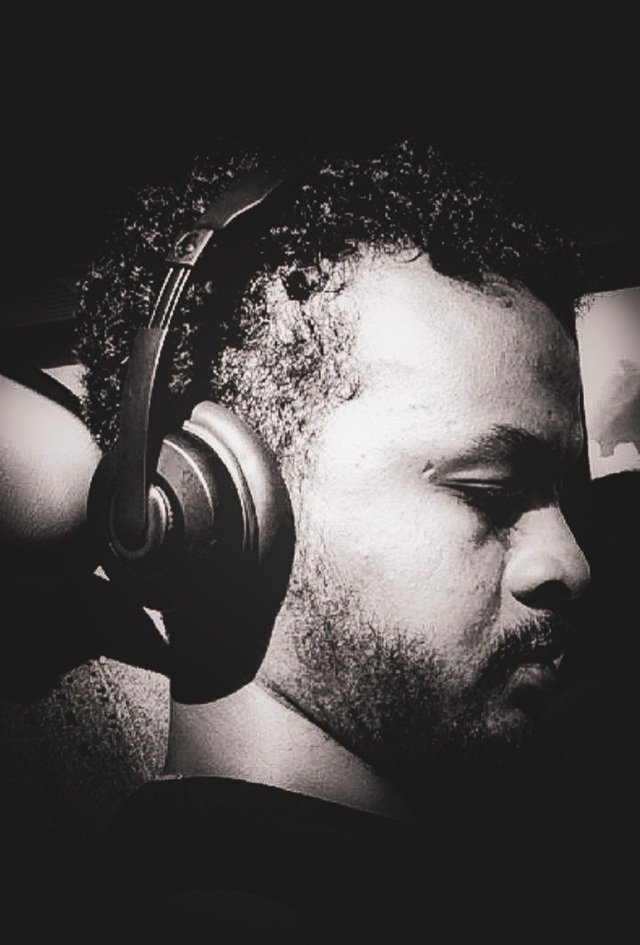
Aemro Worku
There is one proverb in Afaan Oromo that I love the most. It goes, “Harka namaatiin ibidda tuquu hin sodaatu” which translates to Amharic as ‘በሰው እጅ እሳት መንካት አያስፈራም’ and to English as “Touching fire with someone else’s hand is not frightening.” Perhaps that is the reason we love art in whatever form it takes—music, painting, or film—because it articulates our feelings without us having to say them or take the risk of saying them, whether those feelings are love, regret, sadness, hope, nostalgia, or confusion.
Music is my go-to form of art, and ከተራራው ማዶ is right at the top for me. When I listen to music, I don’t just listen for the vibe—I try to break it down. I analyze each lyric and melody, doing my best to imagine and relate to what the poet and the melody writer were going through when they wrote it. I don’t claim to have formal musical expertise, but if listening deeply and frequently makes someone an expert, then I am one.
When I listen to ከተራራው ማዶ, though, I never want to know the actual story behind the lyrics. I prefer to stretch my imagination to its limits and make the song meaningful in my own way. I have a strong feeling that one scenario this song speaks to is our current situation as a nation. Bear with me as I share my interpretation of its most powerful verses. (And I encourage you to play the song while reading this!)
Before diving into my favorite verse, let’s briefly look at the title and opening lines:
“ከተራራው ማዶ
ከተራራው ማዶ ማዶ ማዶ ወዲያ ከእናቴ ደጅ”
“Far beyond the mountain, by my mother’s gate….”
To me, the mountain standing in between feels like the ultimate elephant in the room. Saying “I miss Ethiopia” or “I miss living in Ethiopia” has become such a common phrase, even for those living in Ethiopia. One way to interpret this mountain is as a barrier standing between us, our sense of belonging in our homeland, and our ability to actually enjoy the fruits of living there. Can you imagine being born in a country, knowing no other home, yet being unable to fully live in it? Unable to travel, feeling unsafe, fearing your neighbors, and believing no one is there to protect you—there is no mountain bigger than that.
Some claimed they would build us a tunnel to lead us toward the light at the end. We followed for a bit, only for the mountain to collapse on us midway. Now we’re stuck in a situation where we can’t move forward, yet we miss a past that wasn’t ideal either. What a mountain!
A second, perhaps more straightforward interpretation applies to those of us living abroad. “Home” is across the ocean, but even when we travel back, a mountain still stands between the country we just arrived in and the place we bought tickets to see. The physical coordinates are there, but we aren’t truly there. What is the point of being home if your motherland is suffering and you are powerless to help? Isn’t that tragic?
Now, let’s move to the main verse that hits me hardest:
“ማወቅ አናንቆን ሃሳብ አራርቆን
መፍትሄ ላይሆን መለያየቱ
መደማመጥ እርቆን ግለኝነት ከንቱ
እንዳልተፋቀርን ለየን ከስንቱ”
“Growing up made us look down on what we had,
Overthinking drove a wedge between us,
Though parting was never the answer,
A loss of listening and empty pride separated us,
As if we had never loved at all.”
Our forefathers loved each other and loved their country. They passed down stories of our land, fought for it, and died for it. Even with whatever limited formal knowledge they had, they possessed the wisdom to believe in staying together, fighting for unity, and standing by one another.
Then came our generation—equipped with better access, technology, modern education, and travel opportunities. We claim to understand what makes a nation rise or fall. Our wise parents, who lacked access to formal schooling, sent us to class hoping we would gather modern knowledge to build up our country.
We grew up physically, mentally, and in so many other ways—or at least, we convinced ourselves we did. But look at us now. Look at who is orchestrating the primary chaos in the country. Look at who is preaching hatred and division over unity. Look at who is writing sophisticated, documented papers that fuel animosity rather than offering real solutions to move us forward.
Think about those few who have traveled extensively, seen the benefits of diversity, and enjoyed equality and justice abroad, yet still preach division, hate, and violence back home. Look at how self-centered we have become. How on earth can someone travel thousands of miles, pose for a profile picture in front of landmarks built by unified societies, and yet remain obsessed with belonging to a narrow fragment of a vast country? We crossed continents for education and perspective, yet we cannot bring ourselves to advocate beyond our own ethnic group. Is this what we call ማወቅ (growing wise)? Look at how education is changing us for the worse. Look at the generation we are losing to violence over disagreements that could easily be settled around a table. Imagine a person with degrees on their CV and visas in their passport, representing a political identity built on hatred. The irony!!!
Let’s move on…
“ወይ እኔን አልደላኝ ወይ እሷ አልተመቻት
እንጃልኝ እንጃ መላ አጥቻለሁ”
“Neither am I at ease, nor is she comfortable;
I am completely at a loss.”
So, who actually benefited from all this? Who is living a happy life today? We are trapped in a lose-lose reality. In a country like ours, there is no scenario where one group wins and another loses; our lives are far more intertwined than we admit. No one is winning now, but if we shift our perspective, everyone could. At the very least, we could live in peace—and peace is what matters most, because everything else flows from it.
“ቀን እንዳለያየን ቀን እስኪመልሰን
እንዲያው ዝም ብዬ ተስፋ አደርጋለው”
“Just as time drove us apart,
I simply hold onto the hope that time will bring us back together.”
There was a time when an ordinary person would travel hundreds, if not thousands, of kilometers from the southern border to Adwa just to defend their country. They marched to Maichew with a traditional shield, fully aware that bullets were coming from the other side. Today, we see people harming their neighbors simply because they belong to a different ethnic group, speak another language, dress differently, worship differently, or see the number on the table as a nine, which the other side sees as a six.
What can we do except hope for better days? The scale of our problems makes it impossible to neatly list solutions—one, two, three. At this point, nobody even knows where to begin.
The other day, I went to church. A man asked me what I do for a living, and I told him I study public policy. He smiled and said, “Oh, so you are getting ready to help solve Ethiopia’s problems?” Without hesitation, I replied, “Yes—that’s exactly why I came to church today.”
We have reached a point where remaining hopeful and praying feels more effective than attempting to frame our crises in the technical jargon we spent years learning, offering simplistic “solutions” to deeply complex wounds. How humbling!!!
“መቼም አይጠፋም ካይኔ የእሷ እና የኔ
መቼም አይጠፋም ካይኔ የእሷ እና የኔ
እሷን የልቤን ንግስት ሳባዊት እንስት
መቼም ማሰብ አልታክት ማሰብ አልታክት”
“Never will it fade from my eyes—her story and mine,
Never will it fade from my eyes—her story and mine.
She, the queen of my heart, a woman regal as Sheba,
I will never tire of holding her in my thoughts, never tire of thinking of her.”
Regardless of what we have been through—and what we are enduring right now—we still hold on to hope. We will never tire of hoping for her.
Ajohi Ethiopia!
Editor’s Note: Views in the article do not necessarily reflect the views of borkena.com
__
Join our Telegram Channel: t.me/borkena
Like borkena on Facebook
To submit a press release, send the submission to info@borkena.com
Add your business to Ethiopian Business Listing / Ethiopian Business Directory
Join the conversation. Follow us on X (formerly Twitter) @zborkena to get the latest Ethiopian news updates regularly.