
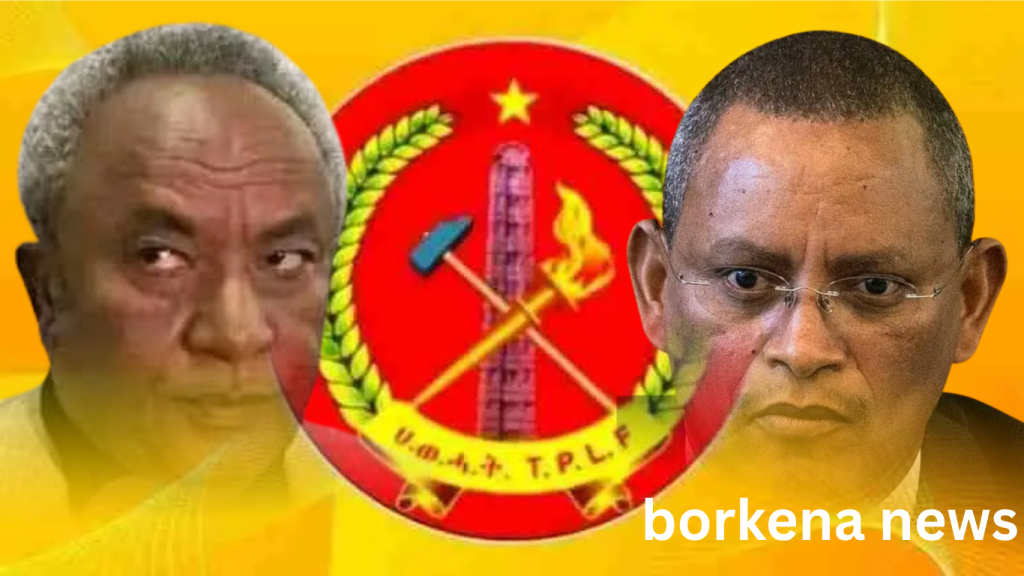
By Dula
Recent publications, including a controversial article by The Economist, have raised deep concerns among Ethiopians who recognize the pattern of disinformation that historically precedes TPLF’s (Tigray People’s Liberation Front) destabilizing actions. Once again, a narrative is being crafted to portray the TPLF as a victimized savior—an old and dangerous playbook Ethiopians have seen before.
Such reporting appears not only speculative but also strategically manipulative—laying the groundwork for justifying renewed TPLF aggression under the guise of “humanitarian intervention.”
The article by The Economist, entitled “The forgotten horror of Western Tigray” (October 9, 2025), claims that Western Tigray “remains under de facto occupation by foreign troops and local militia.” The Economist also claims, “Over the next few months, many of the region’s Tigrayan men would be rounded up and massacred or deported.”
To the contrary, Getachew Reda, the former administrator of Tigray, visited Wolkite (Western Tigray) on September 9, 2025, and never mentioned any threats to the people, aside from working to facilitate the return of 700,000 displaced Tigrayans.
If this claim were true, any rational observer would indeed condemn such atrocities and support intervention. However, history warns us that the TPLF has often weaponized such disinformation campaigns to trigger international outrage and legitimize its own offensives—just as it did in November 2020.
Echoes of November 2020
In November 2020, TPLF launched a surprise attack on sleeping members of the Ethiopian National Defense Force stationed in Tigray, effectively initiating a civil war. Simultaneously, it unleashed a global propaganda campaign accusing the Ethiopian government of genocide and starvation tactics against Tigrayans. Western media outlets, including The Economist, amplified these claims with little verification, while TPLF operatives orchestrated fabricated stories—such as the alleged massacre of 700 priests in Axum—stories that later fell apart under scrutiny.
Ironically, the same Eritrean forces once accused by TPLF and its Western allies of committing genocide are now described as collaborators and “partners” in TPLF’s regional dealings. The hypocrisy is staggering. No rational TPLF member who truly believed in those past accusations could, in good conscience, now partner with Eritrea. It’s tantamount to a survivor of the holocaust partnering with Hitler to attack other jews.
For over half a century, the TPLF has waged a calculated campaign of division—pitting Ethiopians against one another, draining the nation’s wealth, and crippling its unity—all in the pursuit of power. This toxic legacy has left Ethiopia scarred by ethnic strife, economic collapse, and mass displacement, with millions forced to flee to the Middle East and Europe just to survive. By colluding with foreign and domestic adversaries, the TPLF has not only destabilized Ethiopia but also weakened its sovereignty and dignity on the global stage, and made Ethiopia the largest landlocked country in the world.
It is time for Ethiopia to draw a clear line in history. The era of endless forgiveness must end. The government must act firmly—through justice, asset recovery, and accountability, including
treason—to ensure such betrayal never repeats itself. The TPLF must understand that any wound inflicted on Ethiopia ultimately bleeds Tigray as well. A divided Ethiopia condemns all its people to suffering, but a strong, united Ethiopia offers hope, stability, and dignity for every citizen—including those in Tigray.
Foreign Involvement and Strategic Alliances
As highlighted in the attached analysis, evidence suggests that TPLF’s 2020 attack was coordinated with foreign actors, including Egypt and Sudan. Their interests aligned: weakening Ethiopia to derail progress on the Abay (Grand Ethiopian Renaissance Dam) and destabilize a government resistant to foreign control. TPLF’s objective was to reclaim power, while Egypt and Sudan sought to exploit Ethiopia’s internal chaos to advance their territorial and hydropolitical ambitions. Figures like Tedros Adhanom in 2020 and now Fetlework Gebregziabher (Mongorino) continue to maintain visible international ties, with visits to Egypt that raise legitimate concerns about renewed coordination, similar to the diplomatic groundwork laid before the 2020 war.
A Call for Vigilance and Responsible Journalism
The Ethiopian government—and indeed all Ethiopians—must remain vigilant. Every cycle of TPLF aggression begins with a wave of well-crafted misinformation aimed at winning global sympathy and diplomatic leverage. Media outlets like The Economist must be held accountable for publishing unverifiable claims that risk reigniting conflict.
Conclusion
The TPLF thrives on chaos, misinformation, and the sympathy of uninformed audiences in Tigray. Ethiopia’s stability depends on vigilance — and on media outlets that refuse to be used as megaphones for propaganda. The world must not fall for this trap again.
Dula Abdu is a U.S.-based writer specializing in economics, politics, finance, and technology.
Editor’s Note : Views in the article do not necessarily reflect the views of borkena.com
__
Support Borkena : https://borkena.com/subscribe-borkena/
Borkena Ethiopian News Youtube Channel
Join our Telegram Channel : t.me/borkena
Like borkena on Facebook
To submit Press Release, send submission to info@borkena.com
Add your business to Ethiopian Business Listing / Ethiopian Business Directory
Join the conversation. Follow us on X (Formerly Twitter) @zborkena to get the latest Ethiopian News updates regularly.
The Economist has become a Tabloid magazine reporting unsubstantiated facts . I am not surprised TPLF had financial deals with the field reporter. The Abey government must seek a genuine political settlement for the Wallguitte region and Fano’s insurgency. NEITHER Fano nor Abey Ahmed will win this horrible war