
Editor’s Note : Views in the article do not necessarily reflect the views of borkena.com
Response to “From Serving the Fight for Freedom to Serving the Fight Against Freedom Fighters”
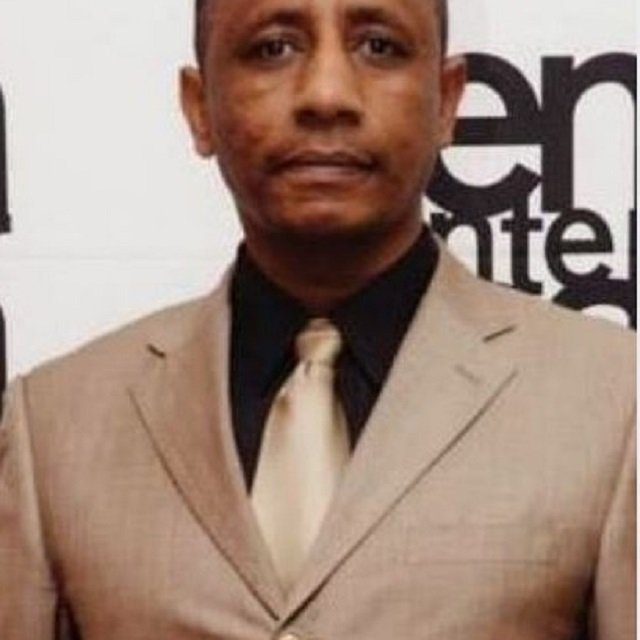
By Kebrab Ze Ethiopia
It is often said, “Great minds discuss ideas; average minds discuss events; small minds discuss individuals.” In Ethiopian politics, the tendency to focus on individuals rather than ideas has become all too common. This fixation detracts from meaningful ideological debates and instead reduces complex issues to personal attacks and character judgments. This is particularly pervasive in a political landscape shaped by identity politics, where ideological grounding often takes a backseat to personality-driven narratives.
While I firmly believe that discussing individuals—no matter how prominent—does little to advance the larger conversation about freedom, justice, and democracy, I recognize the necessity of responding when a figure like Sisay Agena becomes the subject of pointed criticism. As such, while I would prefer to address the ideological underpinnings of the issues raised, I shall endeavor to engage on the level set by the recent op-ed, addressing both the claims made against Sisay and the broader implications of his journey for Ethiopia’s political future.
A Flawed Critique
The author of the op-ed begins with a fundamental misunderstanding of Sisay Agena’s motivations, which sets the stage for a flawed critique. Sisay was never a “freedom fighter” in the sense that the author frames it. To reduce his work to a binary narrative of fighting repression versus succumbing to it is to misinterpret the essence of what Sisay has always stood for.
Sisay’s central concern has always been the survival of Ethiopian unity and the preservation of the state above all else. While he is undoubtedly pro-democratic, his primary opposition to the TPLF stemmed not just from their authoritarianism but from the ethno-centric approach that he believed was leading Ethiopia down a path of irreversible destruction. For Sisay, the TPLF’s policies were akin to a blind man traveling on a dangerous road, steering the country toward fragmentation and chaos.
By misunderstanding this core motivation, the author of the op-ed sets themselves up for disappointment. This mischaracterization has led to a skewed analysis of Sisay’s actions and positions, which deserve to be understood in the context of his unwavering commitment to the survival of the Ethiopian state.
A patriotic Voice
The author rightly highlights Sisay Agena’s significant contributions during the height of TPLF’s authoritarian rule—his fearless voice on ESAT TV and his unwavering commitment to challenging oppressive narratives. These reflections on Sisay’s boldness, humility, and dedication to the greater cause of Ethiopian unity are accurate and well-deserved. However, where the author falters is in assuming that Sisay has deviated from these principles. In truth, Sisay by and large remains the same person.
What has remained constant in Sisay’s character is his deep commitment to Ethiopia’s unity, his clarity of purpose, and his willingness to stand firm in the face of adversity. His actions, then and now, stem from this foundational belief: that Ethiopia’s survival as a unified state is paramount.
To suggest that Sisay has somehow abandoned his principles is to misunderstand the consistency of his motivations. The same clarity and courage the author once admired in Sisay remain evident in his current stance. His approach may have evolved to respond to the complexities of the present political landscape, but the core of who he is—his dedication to the survival and unity of Ethiopia—has not changed. He continues to represent a unique and steadfast voice for the patriotic silent majority, of which I firmly believe I am a part.
The Foundations Remain Strong
The author interprets Sisay’s stance as a betrayal of democratic ideals, but I believe this conclusion is based on a misreading of both Sisay’s motivations and the broader political realities in Ethiopia. What Sisay has observed and supported is not the perpetuation of repression but the refocusing of Ethiopian politics on the centrality of Ethiopia as a unified state. His alignment with the current administration stems from its efforts to address the existential question of Ethiopian unity, not from a personal vendetta or opportunism.
Under Abiy Ahmed’s government, we have witnessed an unprecedented attempt to bring together factions that were once adamantly opposed to Ethiopia’s cohesion—groups like the OLF, ONLF, and other movements scattered across the globe. The administration extended an open invitation, offering a blank slate for these groups to participate in the political process. This approach, while noble, may have been overly optimistic. The internal divisions within these factions, which had remained dormant for years, were inevitably brought into the fold and subsequently exploded when challenged by the shifting realities of governance.
This fragmentation has had devastating consequences, and we are paying the price for it in human lives. However, the intention behind these efforts was clear: to bring all voices into the Ethiopian political sphere and attempt a path toward inclusive governance. Sisay’s support for the current administration reflects his recognition of this effort to reimagine Ethiopian unity, even if the process has been fraught with turmoil and setbacks.
A Mirror of Consistency
The claim that Sisay Agena has become a mirror of what he once opposed misrepresents the core of his stance and motivations. While the author of the op-ed argues that Sisay’s silence equates to complicity, the reality is far more nuanced. During the height of TPLF’s rule, most vocal opposition movements rallied under the banner of Ethiopian unity, opposing the central government’s ethno-centric policies that threatened the country’s survival. Today, by contrast, much of the opposition stems from ethno-centric forces—forces Sisay has consistently opposed throughout his career.
While some of these groups may attempt to drape their agendas in the guise of patriotism, their goals remain fundamentally ethno-centric, prioritizing factional interests over national unity. In this context, Sisay’s stance has not shifted; rather, it reflects his enduring commitment to challenging divisive forces that put Ethiopia’s cohesion at risk.
Furthermore, it is important to acknowledge the progress that has been made under the current administration. Many opposition groups, except those that have taken up arms, remain active and participate in federal or regional governance. They travel freely within the country and engage in the political process. However, the pervasive influence of ethno-centrist journalists and networks—many of which exploit old TPLF structures, even within religious institutions—has created a volatile environment. These actors have actively propagated false narratives, stoked divisions, and fostered instability, undermining efforts to build a unified Ethiopia.
Sisay has not been silent; on the contrary, he has actively called for firmer government action against these destabilizing forces. His demand for stronger measures does not stem from a desire for repression or authoritarianism but from a clear recognition of the harm these divisive narratives inflict on Ethiopia’s fragile unity. These calls for action are entirely consistent with his lifelong opposition to ethno-centrism and his unwavering commitment to the survival of the Ethiopian state. To label his stance as silence or complicity is to overlook the proactive role he has played in addressing the threats posed by these forces.
A Tale of Assumptions and Self-Deception
The portrayal of Sisay Agena as a cautionary tale about the fragility of political integrity is, in itself, built on a foundation of assumptions and self-deception. The author of the op-ed assumes that Sisay’s journey represents a fall from grace, yet this conclusion is rooted in a misunderstanding of his principles and motivations. Sisay’s consistent commitment to Ethiopian unity and his opposition to ethno-centric politics have been misconstrued as ideological bankruptcy, when in reality, they reflect an unwavering dedication to the survival of the Ethiopian state.
The claim that Sisay has transitioned from confronting tyranny to enabling it ignores the complexities of Ethiopia’s political landscape. Supporting the current administration is not an endorsement of every action it takes but rather a recognition of the broader efforts to preserve national unity and stability in the face of immense challenges. Sisay’s alignment with these efforts is a reflection of his priorities, not a betrayal of his principles.
The real cautionary tale here is not about Sisay, but about the dangers of projecting simplified narratives onto complex realities. To dismiss Sisay’s role as one of opportunism is to ignore the difficult choices that come with navigating Ethiopia’s turbulent political environment. It is also an act of self-deception, allowing critics to cling to the illusion of ideological purity while refusing to grapple with the messy realities of governance and nation-building.
Sisay remains a steadfast voice of reason for those who prioritize Ethiopia’s unity and survival above all else. The true betrayal would be to abandon these ideals in favor of fleeting popularity or superficial consistency. If anything, Sisay’s journey is a testament to the strength of conviction required to face criticism while standing firm in one’s beliefs—a lesson that all who claim to fight for freedom would do well to remember.
Editor’s Note : Views in the article do not necessarily reflect the views of borkena.com
__
Subscribe : https://borkena.com/subscribe-borkena/
Join our Telegram Channel : t.me/borkena
Like borkena on Facebook
Add your business to Ethiopian Business Listing / Ethiopian Business Directory Business Listing Toronto
Join the conversation. Follow us on X (Formerly Twitter) @zborkena to get the latest Ethiopian News updates regularly. Subscribe to YouTube channel To share information or for submission, send e-mail to info@borkena.com
A good shot back. And the article against Sisay doesn’t cite a single point that Sisay can be portrayed as supporter of the current “Weyane-no.2”. Sisay might have despaired and got a bit cooler than what the writer expected. Yes, this is a situation what most advocates of Ethiopian unity have eventually got into. But that doesn’t mean change of stand or personality. And Sisay never ever changed. Let’s please focus on what individuals stand for rather than persons.