
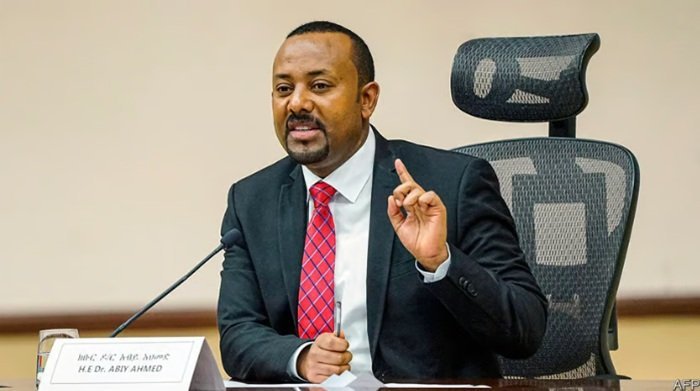
By all international standards, torture is illegal. It is one of the few acts so universally condemned that it is outlawed in almost every legal system. The United Nations Convention Against Torture (UNCAT) – which Ethiopia has ratified – makes it unequivocally clear: no one shall be subjected to torture or to cruel, inhuman, or degrading treatment or punishment.
Yet today, Ethiopia under Abiy Ahmed stands as a chilling exception – not merely because torture is widespread and tolerated, but because it has now been effectively legalized by law. The brutality is no longer hidden. It is no longer denied. What is even more alarming is the deafening silence of the international community.
Torture, by Another Name
Torture in Ethiopia does not always come in the form of bloodied fists or electric cables. Sometimes, it is disguised as extended solitary confinement, forced disappearances, mock executions, or coerced confessions. It wears the uniforms of federal police, military intelligence, or regional special forces.
Just last year, a young university student from Bahir Dar was arrested in for allegedly posting “seditious” content on Facebook. He was taken without a warrant, held incommunicado for over 40 days, and beaten until he confessed to crimes he did not commit. His mother said, “They didn’t just break his body. They broke his mind.”
This case of the student is not unique – it is part of a disturbing pattern. Journalists, political opponents, peaceful demonstrators, and even humanitarian workers have reported horrifying abuse: electrocution, sexual violence, suffocation, and psychological torment.
Legalizing Torture – By Law, Not Just in Practice
This is no longer just impunity. Abiy Ahmed’s regime has now codified torture into law. Recent legislation grants sweeping powers to security forces under the guise of maintaining national security and public order – powers that explicitly permit practices recognized globally as torture.
This is not the result of legal ambiguity. It is a calculated and deliberate act – a formal endorsement of state-sanctioned brutality. By enshrining such practices in law, Ethiopia has crossed a line few other governments have dared to in modern times. Torture is no longer just tolerated – it is now institutionalized.
And yet, the global response? Deafening silence. Not a single major power, international donor, or regional body has publicly condemned this act. The world, it seems, has decided that Ethiopian lives – and rights – are negotiable.
Where Is the International Community?
Where are the voices that condemned torture in Guantanamo, in Myanmar, or Belarus? Where are the statements from the United Nations, the African Union, or Western governments that once claimed to champion human dignity? Ethiopia receives billions in foreign aid annually – yet few, if any, of these donors have demanded accountability for state-sanctioned torture. This silence is not neutrality. It is complicity. It sends a clear message to authoritarian regimes everywhere: you can torture your own citizens – as long as you control the narrative.
A Call for Outrage
It was no longer possible to pretend. The Abiy regime had done the unthinkable – it had normalized torture. What was once whispered about in fear was now practiced with confidence, clothed in the authority of law. And it was ordinary Ethiopians – mothers, students, farmers, teachers – regardless of ethnicity or political belief, who bore the scars.
The world, it seemed, was content with vague statements and hollow expressions of concern. But empty dialogue could not stop the bleeding. What Ethiopia needed – what its people deserved – was real action: independent investigations to uncover the truth, sanctions that target those who orchestrate the pain, and justice and reparations for those who had endured it.
Because when a government writes torture into law, and the international community chooses silence, the damage extends far beyond national borders. It is not just the victims who suffer – it is the very fabric of our shared humanity that begins to tear.
Editor’s Note : Views in the article do not necessarily reflect the views of borkena.com
__
Subscribe : https://borkena.com/subscribe-borkena/
Join our Telegram Channel : t.me/borkena
Like borkena on Facebook
Add your business to Ethiopian Business Listing / Ethiopian Business Directory Business Listing Toronto
Join the conversation. Follow us on X (Formerly Twitter) @zborkena to get the latest Ethiopian News updates regularly. Subscribe to YouTube channel To share information or for submission, send e-mail to info@borkena.com
.
Come on, Abiy rescued Ethiopians from all that savagery! That was the MO of Egypt’s Proxy Dogs [TPLF-TDF/Tigray & EPLF-ELF/Eritrea] that co-invaded/co-occupied/co-terrorized Ethiopians from 1991 to 1998. Oh, TPLF/EPRDF followed thru till 2018.
Egypt’s Proxy Thugs used those Savage Tactics to subjugate Ethiopians BUT Ethiopians NEVER BUCKLED! Who would ever forget that? Well, doesn’t such detailed knowledge put narrators at the crime scene [ማን ያውራ – የነበረ! ማን ያርዳ – የቀበረ!]?
All your points raised does not have any direct relation with the issues depicted by the writer . Are you defending the legalization of torture by the current regime in Ethiopia?