
By Staff Writer
(Nairobi, Kenya) — Lower-than-expected rainfall linked to regional climate shifts has reduced water inflow into the Grand Ethiopian Renaissance Dam (GERD), preventing power generation from meeting full-capacity targets, Minister of Water and Energy Habtamu Itefa announced in statements reported by state-owned Fana Broadcasting Corporate (FBC).
Addressing regional energy performance, Dr. Habtamu noted that below-average rainfall across key catchments in the Nile Basin directly impacted reservoir replenishment and energy goals during the period.
The minister firmly rejected ongoing assertions by Egypt alleging that the GERD’s filling and operational parameters have degraded Sudan’s downstream water supply, characterizing the statements as ungrounded political propaganda.
“Egypt’s claims regarding the GERD’s impact on Sudan are pure propaganda,” Dr. Habtamu stated, questioning Cairo’s standing to act as an unappointed advocate for Khartoum’s national water interests.
Regarding interruptions to Ethiopian electricity exports bound for Sudan, Dr. Habtamu clarified that supply shortages stem from the destruction of cross-border transmission infrastructure caused by the ongoing civil war inside Sudan—not from operational cutbacks or technical failures at the dam site.
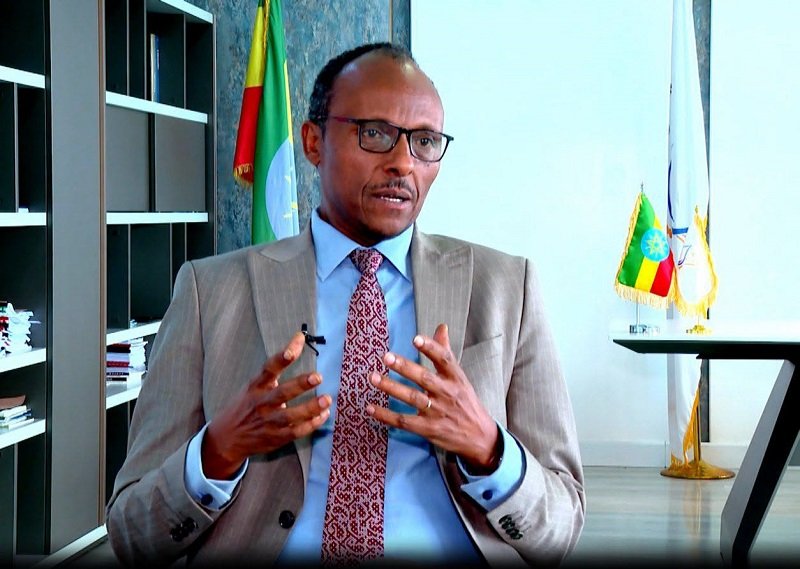
Speaking in interviews covered by FBC, former diplomat and GERD negotiator Ambassador Tiruneh Zena called on federal authorities to maintain a measured, science-based diplomatic response to persistent grievances lodged by Egypt and Sudan.
Ambassador Tiruneh observed that Egypt routinely utilizes international forums to mischaracterize Ethiopia’s water management practices, urging Addis Ababa to counter external narratives through transparent, expert-backed hydrological data.
Echoing these views, Middle East researcher and GERD negotiator Professor Adam Kamil stated that Egyptian media and diplomatic campaigns aim to misdirect global public opinion regarding Ethiopia’s sovereign right to equitable water utilization.
“Ethiopia remains steadfast in its commitment to shared regional development and has no intention of causing harm to downstream nations,” Professor Adam emphasized. “If Ethiopia intended to restrict downstream flows intentionally, it could have restricted its six main tributary rivers. Regional stability depends on accepting these shared realities.”
Both experts emphasized that international observers must evaluate Nile Basin hydrology through the lens of global climate change—a factor driving severe environmental displacement across the broader region—rather than political polarization.
__
Join our Telegram Channel: t.me/borkena
Like borkena on Facebook
Join the conversation. Follow us on X (formerly Twitter) @zborkena to get the latest Ethiopian news updates regularly. Subscribe to the YouTube channel. To share information or for submission, email info@borkena.com