
By Staff Writer
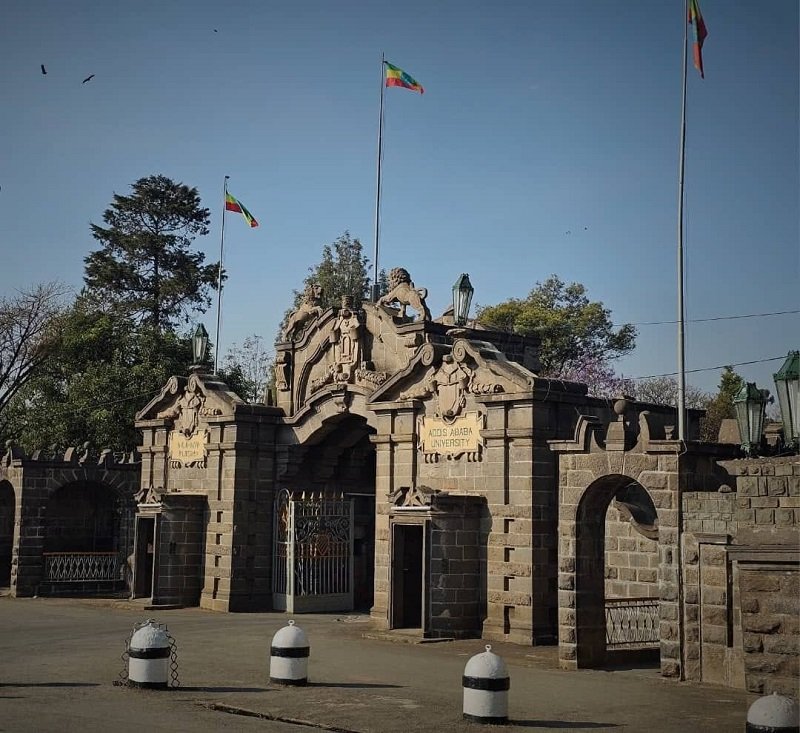
(Nairobi, Kenya) — Students of Tigrayan origin attending Addis Ababa University (AAU) have been granted official authorization to remain on campus for the summer recess following security fears and risks of forced military conscription in their home region, Wazema Radio reported.
The decision follows weeks of administrative delays after an initial group of 286 students—which later grew to 344—submitted formal requests to the university’s Student Development & Success office. University administrators initially declined to process the petition citing political sensitivities and the absence of a direct federal directive.
The request was subsequently escalated to the Ministry of Education. Following internal consultations led by State Minister and Ministry Advisor Professor Kindeya Gebrehiwot, Education Minister Professor Berhanu Nega issued a formal authorization directive instructing AAU to accommodate the students on campus.
Addressing questions regarding the university’s administrative autonomy, a senior ministry official explained that while the Council of Ministers established AAU as Ethiopia’s first autonomous higher learning institution, full operational transition remains ongoing.
“No matter how autonomous the university may be, major decisions related to national security, student protection, and broader education policy ultimately fall under the oversight of the Ministry of Education and the federal government,” the official stated.
Similar initiatives were reportedly considered to support Tigrayan students enrolled at other federal institutions, including the Addis Ababa Science and Technology University (AASTU).
While the students have been reallocated dormitory housing and dining hall access, student representatives voiced concerns over reduced living allowances. The daily food stipend allocated by the university was reduced from 172 Birr to 100 Birr per student, a level student delegates noted is insufficient to cover basic daily meals under current inflation pressures.
The students’ refusal to return to Tigray comes amid mounting reports from international observers and human rights bodies—including the Ethiopian Human Rights Commission (EHRC) and Human Rights Watch—documenting abusive forced conscription campaigns, mass roundups, and mandatory mobilization decrees issued by regional authorities in Tigray.
Human rights organizations have warned that forcing young adults and minors into armed service violates national and international legal frameworks, prompting many students and youths to remain in federal-controlled territories to protect their academic futures.
__
Join our Telegram Channel: t.me/borkena
Like borkena on Facebook
Join the conversation. Follow us on X (formerly Twitter) @zborkena to get the latest Ethiopian news updates regularly. Subscribe to the YouTube channel. To share information or for submission, email info@borkena.com
The action of the university in the capital and ministry of education must be commended for providing living accommodations for those young men and women from Tigray. Other colleges throughout the country should follow suit and provide same life saving shelters. Debre and his goons are hell bent to start another devastating war in that region. It is evident that the majority of citizens there want peace and not war to solve the issues they are facing. This proves it right what I have been saying for decades. Issues that country has been facing will never be solved through armed/violent means of struggle. What armed groups have been doing is create gangsters with no regards to human lives and property. That has sent the nation into a constant state of war and devastation. That is what we see in Amhara, Oromia and Tigray regions. Gangsters are everywhere. They are in the bushes and they are also embedded in the institutions of the regime. What kind of a field commander gives orders to bomb places of worship? Yes, sometimes unintended collateral damage can happen during wars and end up being investigated to make sure they will never happen again and that followed by public apology. Public apology seems to have disappeared from the working formality in that country since 1974. May The Almighty Our Creator Save That Country!!!