
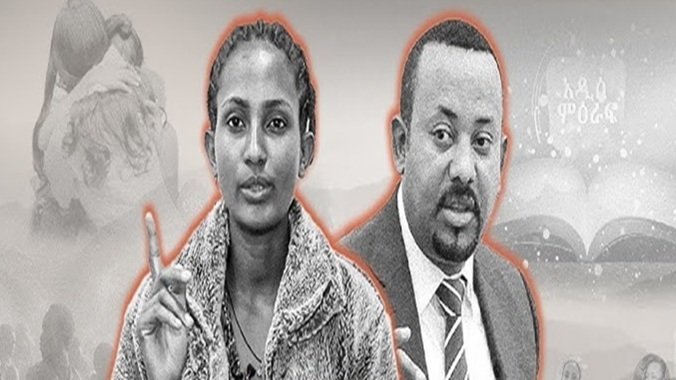
It is quite common for authoritarian regimes to fabricate stories to dominate public discourse and shape the public agenda. Repressive governments continuously manipulate public perception by crafting dramatized narratives to sow doubt and preclude accountability for rampant crimes in the country. Hannah Arendt, in her book ‘The Origins of Totalitarianism’, captured how such regimes blur the line between reality and fiction, truth and falsehood.
Birtukan’s televised confession on state-owned media where she retracted her previous claim of being kidnapped and dismissed it as an illusion is a hallmark of how authoritarian norms have intensified in the country. The state-owned media, which serves as the bulwark of Abiy’s image and power, muddied the waters with her story. Under the regime’s direction, it meticulously crafted this narrative to sow distrust and question the credibility of non-state owned media outlets and quell public outrage. Moreover, it was designed to divert public attention from ongoing atrocities in the country.
The regime may also be planning future kidnappings and using the story as a pretext to make future abductions appear mere illusions. The government may have intended to create hostility between the Oromo and Amhara people. Given that Birtukan is Amhara, and the Oromo Liberation Army (OLA) was allegedly accused of kidnapping 17 Amhara students from Dembi Dolo University, the regime likely expected public outrage from the Amhara against the Oromo, particularly the OLA. This aligns with the government’s frustration over future alliance between OLA and Fano and the story may have also been intended to cripple future networks. However, the plan backfired, as people regardless of ethnic identity condemned the incident and held the regime accountable for unlawful actions.
Turning Public Outrage into a Catalyst for Non Violent Struggle
This article does not aim to scrutinize the validity of the story but rather to urge the public to intensify their outrage and transform it into sustained resistance. Even though it will be proven that Birtukan’s account was fabricated for personal reasons, the initial story broadcast by EBS resonates with the reality of many women in the country. Kidnappings, torture, and killings continue to worsen as long as Abiy’s regime remains in power.
Worse still, the likelihood of a genocidal war between the Oromo and Amhara people increases as Abiy clings to power. As resistance in the north intensifies, his groggy military’s morale getting atrophic, and economic hardships mount, he may resort to presenting himself as the bulwark of the Oromo people to retain power. This will make the eruption of the bloody war more likely unavoidable. When Abiy emerged as a political figure in 2018, he championed Ethiopianism to garner widespread support. However, he will abandon his former stance to mobilize the Oromo people as he is a demagogic leader who always appeals to people’s emotions.
Now is the time to transform public outrage into a turning point for sustained civil resistance, both domestically and globally. The struggle must be led primarily by three ethnic groups-Oromo, Tigray, and Amhara because they are at the center of the country’s crisis and the potential solution lies within them. Together, they constitute more than 66% of the population. This is not to downplay the role of other ethnic groups, but rather to emphasize that if these groups form an alliance, others will likely join.
It may seem like a pipe dream to expect these historically rival groups to build trust, as they have long aspired to establish hegemonic control. However, while complicated, fostering unity among them is the easiest part of the problem to halt the ongoing atrocities and precluding a genocidal war, both of which are necessary to lay the groundwork for resolving Ethiopia’s “hard problem”-the completion of its state-building process through democratic norms. History has shown that rival nationalist groups have successfully united to overthrow repressive regimes through nonviolent means. For instance the 1989 Czechoslovak revolution demonstrated the possibility of forming an alliance between and among rival nationalists. The OroMara movement can also be an example though it was tactical and later hijacked.
Since this movement is rooted in democratic principles, it would also lay the foundation for democratization in the post-transition period. This is supported by Chenoweth and Stephan (2011), who are leading scholars in the study of non violence resistance.
Editor’s Note : Views in the article do not necessarily reflect the views of borkena.com
__
Subscribe: https://borkena.com/subscribe-borkena/
Join our Telegram Channel : t.me/borkena
Like borkena on Facebook
Add your business to Ethiopian Business Listing / Ethiopian Business Directory
Join the conversation. Follow us on X (Formerly Twitter) @zborkena to get the latest Ethiopian News updates regularly. Subscribe to YouTube channel To share information or for submission, send e-mail to info@borkena.com
ጽሑፉን በገባኝ መጠን አንብቤአለሁ ጥሩ ሀሳቦች ቀርበዋል ነገር ግን ሁለት መብራራት የሚገባቸው ጽንሰ ሀሳቦችን አይቻለሁ፣ 1) ሕዝባዊ ቁጣን በአገር ውስጥም ሆነ በዓለም አቀፍ ደረጃ ዘላቂ ወደሆነ ሕዝባዊ እምቢተኝነት ለመቀየር ጊዜው አሁን ነው ይልና ወረድ ብሎ የባልካኑን ምሳሌ ጠቅሶ በሰላማዊ ትግል ለውጥ ማምጣት እንደሚቻል ይገልጻል ያልገባኝ በአገራችን የሰላም በር ዝግ ሆኖበት የህልውና ትግል የጀመረውን በሕዝባዊ እምብተኝነት ጭምር ደግፉት ነው ወይንስ ጠመንጃውን አውርዳችሁ በሰላም ታገሉ ነው ?
2) ትግሉ በዋናነት በሶስቱ ብሔረሰቦች (በኦሮሞ፣በትግሬና በዐማራ) መመራት አለበት ለተባለው የኦሮሞና የትግሬ ቡድኖች የዓላማ አንድነት ስላላቸው አንድ ላይ ነበሩ ሥልጣንና ጥቅም አለያያቸው መልሰው ሊታረቁ ይችሉ ይሆናል ዐማራው ግን የዓላማቸው ተጻራሪ በመሆኑ ሊያጠፉት ከዘመቱት ጋራ ምን የጋራ ዓላማ ኖሮት ነው ግምባር የሚፈጥረው ? (በኦሮዐማራ) ትብብር ወቅት ያሉት “ቁማር ተጫውትን አሸነፍን እና ኮንፊውዝና ኮንቪንስ” አደረግን ብለው ተሳልቀው የለምወይ?
Right you are!
Noad… the proper term for a cadre such as yourself is WUTAF NEQAY or in common terms Benedict Arnold or Blood Merchant.
The people of Ethiopia have long awoken to the drama by the regime.