
By: Amanuel Agajjie Wasihun
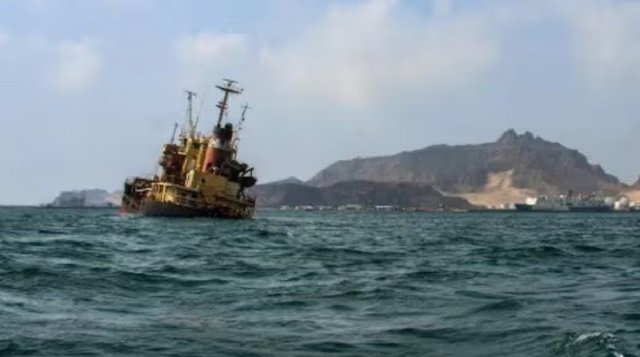
On August 3, 2025, a boat carrying more than 150 Ethiopian migrants sank near the coast of Yemen. At least 68 people died, over 70 are missing, and only 12 survived. These were not people chasing easy dreams. They were running away from a terrible life in their own country. Ethiopia has become a dangerous place where young people are forced to leave to save their lives.
Since Abiy Ahmed came to power in 2018, Ethiopia has been torn apart by war and violence. The war in Tigray has been the deadliest, killing hundreds of thousands of people and forcing millions to flee their homes. But the fighting did not stop there. In other regions like Amhara and Oromia, there is still violence, fear, and unrest. People live under constant threat from attacks, drone strikes, and armed forces. Many families have lost loved ones or been forced to move to safer places. For many, home is no longer safe.
The country is also facing a severe economic collapse marked by widespread unemployment, rapidly rising prices for food, rent, and basic necessities, and the near-total breakdown of essential services. Government workers—including doctors, teachers, and civil servants—are paid meager salaries that leave them unable to support their families, forcing many doctors to abandon their hospital jobs and prompting nationwide protests by educators and health professionals. Rather than addressing these demands, the government has responded with arrests and accusations of extremism, branding protesters as inciters of violence or foreign agents. Meanwhile, farmers are unable to cultivate their land due to military control, ongoing conflict between rebel groups and government forces, and the destruction or abandonment of farming equipment, leaving crops to rot and many villagers either killed, arrested, or too afraid to leave their homes. Tourism, once a thriving sector that attracted visitors to historic sites like Lalibela, Gondar, Axum, and the Simien Mountains, has completely shut down. Trade routes remain blocked, markets are empty, and the flow of goods has stopped, causing businesses to close and investment to vanish. Every sector is shedding jobs, and even skilled, educated young people—including recent graduates—are unable to find employment. With no opportunities and no future in sight, many view emigration as their only hope for survival.
Many try to leave the country legally, but only a few succeed due to the high costs and difficulties in obtaining visas. Instead, they pay smugglers who take them on dangerous routes through Sudan, Libya, or Yemen. These journeys are filled with risks. People are often robbed, beaten, or even sold by smugglers. Many die in the desert from thirst and hunger, or drown in the sea when boats capsize. Still, thousands continue to make these journeys because staying in Ethiopia feels even more dangerous.
Ethiopia is a country rich in resources, culture, and history. It has fertile land, rivers, and a diverse population with great strength and talent. But under the current government, all of this wealth and potential is wasted. The government spends money on big projects and building new roads to show the world, but it ignores the suffering of ordinary people. While thousands go hungry and struggle to find shelter, the government focuses on propaganda, trying to hide the truth.
The government’s silence and denial make things worse. It does not address the real problems of violence, poverty, and lack of opportunity. Instead, it blames opposition groups, foreign enemies, or other countries for Ethiopia’s troubles. This only increases fear and division inside the country. Many young people feel trapped between violence at home and dangerous journeys abroad.
The world watches this tragedy but often looks the other way. International organizations like the United Nations and the African Union say they support peace and stability, but their actions are limited. Ethiopia continues to receive aid and investments without enough pressure on the government to stop the violence or protect its citizens. According to the UN Refugee Agency, more than 4.7 million Ethiopians are displaced inside the country, forced to leave their homes by war and conflict. Thousands more leave the country every month through dangerous migration routes. The International Organization for Migration (IOM) reports thousands of deaths every year on the eastern migration corridor alone. Most of these are young Ethiopians who risk everything for a chance at a better life.
Migration should not be treated as a crime or a problem to be solved only at the borders. For many Ethiopians, migration is the last choice to save their lives. They are not leaving because they want to; they are leaving because they have no other option. Their families remain behind, often struggling with poverty and fear, hoping for their safe return.
If the current situation does not change, more young Ethiopians will continue to take dangerous journeys across deserts and seas. More lives will be lost to drowning, hunger, violence, and despair. The crisis is not only about migration — it is about a country that has been abandoned by its leaders and ignored by the world.
The people of Ethiopia deserve a government that cares for them, protects them, and creates opportunities for their future. They deserve to live without fear of drones overhead, without the threat of violence, and without hunger. They deserve to stay in their homeland and build a life with hope and dignity.
Until that day comes, many will continue to risk everything for a chance to breathe free — even if it means the ocean swallows them whole.
Editor’s Note : Views in the article do not necessarily reflect the views of borkena.com
__
Support Borkena : https://borkena.com/subscribe-borkena/
Join our Telegram Channel : t.me/borkena
Like borkena on Facebook
Add your business to Ethiopian Business Listing / Ethiopian Business Directory Business Listing Toronto
Join the conversation. Follow us on X (Formerly Twitter) @zborkena to get the latest Ethiopian News updates regularly. Subscribe to YouTube channel To share information or for submission, send e-mail to info@borkena.com