
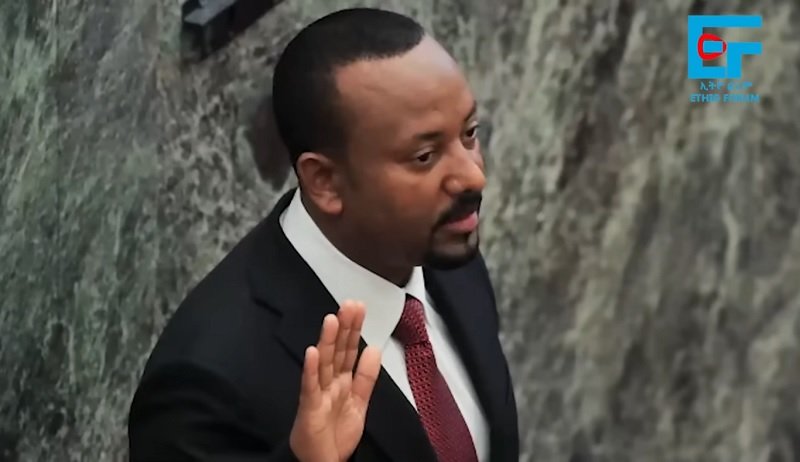
In an upload (today, April 2, 2026) from the “Ethio Forum” channel, titled roughly in Amharic: “ቴሌእንደብርሃኑ፤ባንክእንደአበባው፤ሰውማቃጠልያስተማሩትዐቢይ” which translates to something like “Tele like Birhanu; Bank like Abebaw; Abiy who taught people to burn others alive | ETHIO FORUM.”
The video is a lengthy, highly critical monologue accusing Ethiopian Prime Minister “Abiy Ahmed” of turning the country into a place of widespread atrocities since he took power (referencing March 24, 2010 in the Ethiopian calendar, which corresponds to around 2018 in the Gregorian calendar).
Key points from the content:
– It claims his leadership has led to mass killings, ethnic-based violence, millions displaced (e.g., citing six million in one year), starvation tactics (including long sieges compared to historical events like Leningrad), rape used as a weapon of war, and even people being burned alive in incidents like in Guba Woreda (Tigray region).
– Accusations include weaponizing institutions like banks and media, inviting foreign involvement (Eritrea, etc.), betraying sovereignty to external powers like the US/IMF, and creating “concentration camp”-like conditions.
– It portrays this period as unprecedented in Ethiopian history, with comparisons to figures like Hitler, and frames March 24 as the start of a “dark” era of death and division rather than progress.
– The tone is strongly oppositional, calling for reflection on the “fruits” of his rule and inviting discussion.
The video has already racked up over 100,000 views and over 5,000 likes in a short time, which shows it’s resonating with a certain audience.
This is intense, political commentary. And I have presented a translated (English) version of it below:
The video documentary from Ethio Forum, titled in Amharic as a scathing indictment—”Tele like Birhanu; Bank like Abebaw; They taught burning people alive: Abiy”—delivers a relentless, unsparing portrait of Ethiopia’s descent into engineered chaos under Prime Minister Abiy Ahmed. Released on April 2, 2026, the Amharic-language exposé captures the raw essence of a leadership defined not by reform or unity, but by a boundless narcissism that has weaponized every lever of state power to fracture, impoverish, and humiliate a once-resilient nation. As the narrator methodically catalogs the “unique” horrors unleashed since Abiy’s ascent to power, the video stands as a factual ledger of institutional betrayal, ethnic engineering, and sovereign surrender—turning Ethiopia into a theater of mass suffering where death has been normalized as national policy.
The documentary opens by pinpointing the precise moment of rupture: March 24, 2010 (Ethiopian calendar, corresponding to Abiy’s consolidation of authority), when one man’s elevation allegedly inaugurated an era of unprecedented bloodshed. Unlike prior Ethiopian leaders who, for all their flaws, preserved core sovereignty and refrained from ethnic targeting as state doctrine, Abiy stands accused of pioneering proclamations that explicitly enabled the selection and extermination of citizens by identity. Tigrayans rounded up like historical victims of pogroms, Amharas in Wollega hunted by name, entire groups criminalized from street cleaners to investors—the video presents this as a deliberate inversion of Ethiopian pluralism into a hierarchy of disposable lives. Concentration camps, starvation campaigns displacing millions in a single year, and sieges lasting 720 days in Tigray (longer than Leningrad’s, with aid deliberately withheld to “weaken extremists”) illustrate how basic services—banks, transport, electricity, television—were repurposed as instruments of collective punishment.
No institution escaped co-optation. The video details how federal forces, regional special police (notably Oromia units), and imported militias turned rape into systematic warfare, with estimates exceeding 100,000 victims, including children as young as five and even men—an atrocity the narrator insists was absent from Ethiopia’s long history of conflict. Burning civilians alive in places like Guba Woreda or Shashemene, mass graves bulldozed in Benishangul-Gumuz, Axum, and Mariam Dengelat: these are not isolated excesses but normalized spectacles, often filmed and circulated, desensitizing a population to horror. Foreign actors—Eritrean Shabia forces, Kenyan jets, South Sudanese elements—were allegedly invited to loot, rape, and kill across Afar, Oromo, and other regions, transforming Ethiopia from Africa’s proud defender of independence (evoking Adwa and historical resistances) into a vassal “slave state” beholden to external patrons, including American intelligence interests and Arab military footholds.
Abiy’s rhetoric, as dissected in the video, reveals the narcissistic core: dismissive insults labeling Ethiopians as “ants” or ignorant masses, coupled with Orwellian slogans like “Ethiopians live and die as Ethiopians” or framing perpetual war as the sole path to unity. A million civilians dead, a $10 billion palace rising amid famine and displacement, sovereignty auctioned for IMF loans and foreign alliances while historical assets were liquidated—these are presented not as policy failures but as the logical outgrowth of a personality cult that brooks no dissent or shared governance. The UN Commission of Inquiry, international media, and even comparisons to Hitler underscore the war criminal label attached to this tenure, where peace remains impossible so long as the architect remains entrenched.
What the Ethio Forum documentary captures with clinical precision is Abiy Ahmed as the archetype of a failed leader whose self-regard eclipses the fate of 120 million souls. Narcissism here manifests not in mere vanity but in a god-like conviction that the nation’s institutions, history, religions, and ethnic fabric exist only to serve his vision—or be shattered in resistance. Every opportunity—a Nobel Peace Prize once hailed as redemption, economic reforms, regional mediations—has been squandered or inverted into tools of destabilization. Havoc sown between nationalities (Amhara vs. Oromo dynamics, Tigray’s isolation, peripheral invasions), religions, and regions has left Ethiopia teetering on collapse: economic freefall, fragmented authority, youth radicalized into endless militias, and a proud African beacon reduced to headlines of siege, rape, and exodus.
Critics from across the spectrum, including voices documenting strategic miscalculations, ethnic persecutions, and unilateral power plays, echo the video’s core truth: Abiy inherited challenges but accelerated them into systemic rot through transactional alliances, suppression of opposition, and a refusal to build inclusive institutions. The documentary does not merely list atrocities; it exposes the method—a leader who taught a nation to burn its own, starve its children, and invite outsiders to feast on its divisions, all while cloaking megalomania in platitudes of “prosperity” and “medemer” (unity). End of Translation.
Ethiopia stands at the brink not despite Abiy, but because of him. The video’s unyielding factual recounting—drawn from documented events, survivor accounts, and visible ruins—demands reckoning. A narcissistic project that consumes its host leaves only ashes. For a nation with millennia of endurance, the path forward requires rejecting this hellish chapter outright: accountability for the engineered havoc, restoration of sovereign institutions, and leadership that serves the people rather than devours them. Until then, the flames lit under Abiy’s watch continue to consume what remains of Ethiopia’s promise. The documentary is not hyperbole; it is the mirror Ethiopia cannot afford to ignore.
Teshome Abebe, PH.D., a former Provost and Vice President for Academic Affairs at two institutions, is Professor of Economics and Professor Laureate.
Editor’s Note : Views in the article do not necessarily reflect the views of borkena.com
__
Support Borkena : https://borkena.com/subscribe-borkena/
Join our Telegram Channel : t.me/borkena
Like borkena on Facebook
To submit Press Release, send submission to info@borkena.com
Add your business to Ethiopian Business Listing / Ethiopian Business Directory
Join the conversation. Follow us on X (Formerly Twitter) @zborkena to get the latest Ethiopian News updates regularly.
ማጭበርበር አቁሙ:- የአማራ ቦዘኔ እረኞችን መሸፈት – እንደ ሕዝባዊ ንቅናቄ የምታቀርቡት – የእኔን አይነት መሃይም ለማደነጋገር ነው – ወይስ – የአማራ ክልል አማራ ምርጫ ማለት ምን ማለት እንደሆነ አያውቅም ልትሉን ነው? የአማራ ክልል አማራ – ምርጫ አድርጎ – ራሱ የፈለገውን አማራ መርጦ የለም ወይ? ሌሎችም ዘሮች – እንደዝያው የራሳቸውን መሪዎች መርጠው የለም ወይ? ነገሩ በዘር መሆኑ ያሳዘናል!!!
Double Standards: I wonder why Ethiopia is the exception when insurrection against elected government any where else in the world is Domestic Terrorism! የእነ ኃይለ ሥላሴ፣ የኮሎነል መንግስቱ፣ የወያኔ እና ሻቢያ፣ የግብፅ፣ ወዘተ – ሎሌዎች ኢትዮጵያን ካልገዙ – ኢትዮጵያ መተረማመስ አለባት ማለት ነው?
NB: As the over 120 opposition parties insisted, the last election in Ethiopia was held in the presence of on-site observers from UN, AU, US, EU, etc. No opposition party filed fraud or inconsistency. Abiy’s Party won and Abiy became the PM.