
Nama Nekemto
Evolving political landscape in Ethiopia, focusing on the shift in rhetoric from ethnic-based politics to a purported emphasis on Ethiopian unity. Historical context reveals that progressive forces in Ethiopia have long advocated for a unified national identity, recognizing that secessionist movements, while potentially changing rulers, often fail to alleviate underlying oppression.
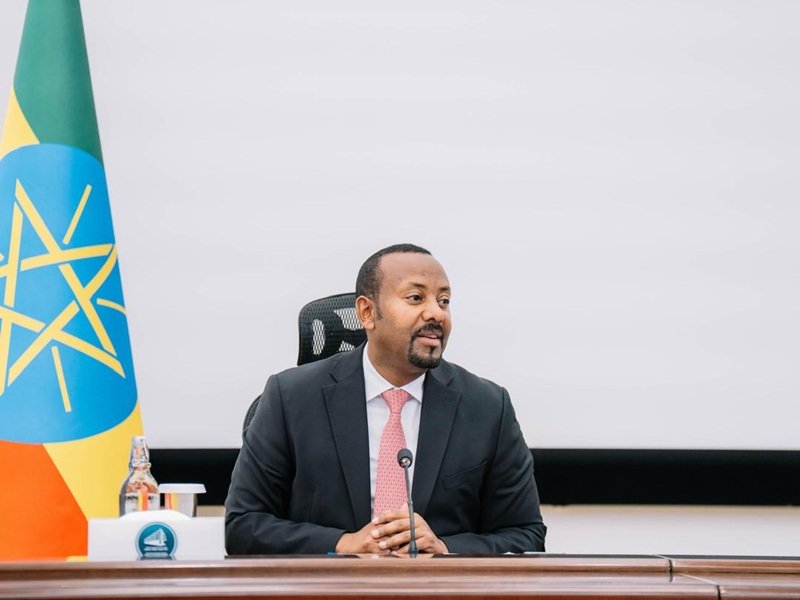
Prime Minister Abiy Ahmed’s recent pronouncements condemning ethnic politics and promoting Ethiopian unity raise important questions.
There are claims that this shift is a calculated strategy to garner electoral support ahead of upcoming elections, with directives reportedly issued to Prosperity Party members. This alleged tactic contrasts sharply with the long-standing utilization of ethnic politics by Oromo leaders, who have, for generations, employed it to their advantage.
However, the current context seems significantly altered by the ongoing conflict and the increasing strength of the Amhara Fano’s resistance.
Ethiopia needs robust and impartial institutions capable of safeguarding the rights of all its citizens, ensuring free and fair elections, and promoting a culture of transparency and accountability.
Facilitating constructive dialogue between opposing factions, under the auspices of respected international norms, is vital to de-escalate tensions and find common ground.
The international community has a vital role to play in promoting a peaceful resolution. This includes not only providing humanitarian aid to those affected by the conflict but also actively engaging with all political factions to encourage dialogue and a commitment to democratic principles. A truly representative government, upholding the rule of law and prioritizing the needs of all Ethiopian citizens, is paramount for long-term stability and prosperity.
Rumored reports suggest Abiy Ahmed is strategizing for the upcoming election, potentially shifting away from ethnic politics to promote Ethiopian unity. This alleged change in tactics follows the Amhara people’s intensified struggle for survival alongside Fano. His self proclaimed belief in superior intellect and manipulation of political strategies is surprising to many citizens.
This changing dynamic necessitates a re-evaluation of previous political strategies. The narrative shift towards Ethiopian unity could be interpreted as a tactical maneuver, suggesting a pragmatic adaptation to the evolving political realities, rather than a genuine ideological transformation.
This potential change in approach warrants careful consideration and further analysis. The perceived superiority complex and underlying calculations in this strategic recalibration demand scrutiny.
Editor’s Note : Views in the article do not necessarily reflect the views of borkena.com
__
Subscribe : https://borkena.com/subscribe-borkena/
Join our Telegram Channel : t.me/borkena
Like borkena on Facebook
Add your business to Ethiopian Business Listing / Ethiopian Business Directory Business Listing Toronto
Join the conversation. Follow us on X (Formerly Twitter) @zborkena to get the latest Ethiopian News updates regularly. Subscribe to YouTube channel To share information or for submission, send e-mail to info@borkena.com
IN a political competition ,it doesn’t matter how genuine you are committed to the issue: if public political perception strongly gravitate towards Ethiopianism. Those who follow the historical rhythm will be the winner, and ethnic based political organizations will be the looser
After seven long years, Abiy Ahmed seems to wake-up and see the big-picture finally, & joining FANO (‘Ethiopianism’) the only way to keep the diverse nature of Ethiopian society together as one as it always has been (prior 1991).
At last he is coming (from ‘village’) home to the Nation, and he should be congratulated!
Welcome home, Abiy Ahmed !!!
But ‘action’ speaks louder than empty ‘words’…aimed to extract favors…
Be well!