
If Teddy Afro can be silenced, no voice is safe
By: Habte H
Across Ethiopia today, a quiet but unmistakable reality has taken hold: public trust in the political process has eroded to an unprecedented level. The widely publicized national election – framed as a milestone of democratic progress – has instead been met with indifference, scepticism, and, in many cases, outright rejection. Beyond official narratives and state-aligned media, it scarcely features in everyday discourse. For many Ethiopians, it simply does not matter.
This detachment is not incidental. It reflects a deeper perception that the current political order, led by the Prosperity Party (PP), is not only undemocratic but increasingly disconnected from Ethiopian identity and societal values. What is unfolding is not merely a governance deficit, but a widening rupture between state and society.
If Teddy Afro can be silenced, no voice is safe.
From Trajectory to Entrenchment
If the Prosperity Party secures another term, Ethiopia will not simply continue along its current path, it will entrench a new political reality: one in which cultural suppression, public disengagement, and centralized control become normalized features of national life. This is less a prediction than a reading of present signals. The implications are best understood not through abstract theory, but through emerging patterns, snapshots of a possible Ethiopia under prolonged consolidation of power.
The Illusion of Participation
Official figures claim that more than 36 million citizens have registered to vote. Yet such numbers invite scrutiny rather than confidence. Independent verification is limited, but available reports and patterns suggest that participation—particularly among vulnerable populations—may not fully reflect voluntary political engagement. In a nation exceeding 130 million people, there is little evidence of broad-based electoral enthusiasm. What appears instead is a quiet withdrawal: a form of silent boycott, where disengagement itself becomes a political statement.
Cultural Suppression as Early Warning
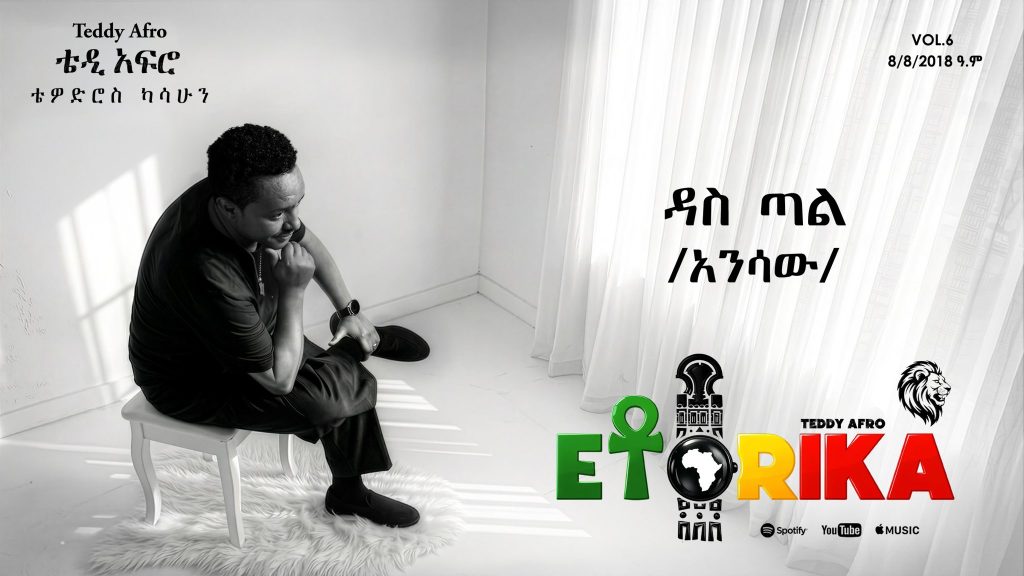
Beyond the mechanics of elections lies a more consequential question: what kind of state is taking shape? The restriction and intimidation of influential figures such as Teddy Afro offer a telling signal. Cultural suppression rarely occurs in isolation. It often precedes broader societal control. When a society’s most trusted voices are constrained, the space for dissent, creativity, and independent thought narrows accordingly. These patterns are not abstract risks, they are visible trajectories. Taken together, they form a set of plausible futures.
Eight Images of Ethiopia Under Prolonged PP Rule
- Erosion of Cultural Identity
Ethiopia’s cultural traditions – its songs, dances, and communal expressions – are central to national identity. Practices such as Abebayehosh and Hoyahoye embody collective memory and belonging. These forms cannot survive in constrained environments. Once cultural expression is regulated or discouraged, identity itself becomes vulnerable.
- Threats to Historical and Religious Heritage
Ethiopia’s ancient churches, monasteries, and heritage sites are not merely physical structures; they are repositories of civilizational continuity. Neglect, repurposing, or destruction, whether justified by modernization or commercial expansion, would sever the link between past and present, weakening both spiritual and cultural cohesion.
3. Silencing of Intellectual and Artistic Voices
Artists, scholars, and public figures serve as society’s reflective mirror. When they are marginalized or silenced, a nation loses its capacity for introspection and critique. Art, in this sense, is not ornamental – it is foundational to truth, memory, and resistance.
4. Decline of Social Values and Institutions
Long-standing Ethiopian values – shimglina (community mediation), respect for elders, humility, and social solidarity- are essential to societal stability. Their erosion signals more than cultural change; it indicates a breakdown in informal institutions that sustain cohesion.
5. Unequal Urban Transformation
Urban redevelopment, particularly in Addis Ababa, raises urgent concerns about equity and displacement. Large-scale demolitions and infrastructure projects risk excluding the very populations they affect. Development that displaces without adequate compensation or inclusion cannot be framed as progress.
6. Institutionalized Division
Ethiopia’s diversity has historically been a source of resilience. Yet policies or practices that restrict opportunity or participation along ethnic lines risk entrenching division. Such dynamics, once institutionalized, are difficult to reverse and carry long-term implications for national stability.
7. Environmental Degradation and Loss of Natural Heritage
Ethiopia’s ecological systems and biodiversity are integral to its identity and future. Without deliberate stewardship, environmental degradation may accelerate, leading to the irreversible loss of ecosystems and wildlife. This is not only an ecological crisis but also a cultural and economic one.
8. Persistent Risk of Violence and Displacement
Perhaps most alarming is the sustained risk of conflict, displacement, and humanitarian crisis. Millions have already experienced instability and forced migration in recent years. If current patterns persist, these human costs may deepen and expand, affecting even historically stable regions.
A Defining National Crossroads
Taken together, these trends point toward a future in which Ethiopia’s cultural identity, social cohesion, and human security face increasing strain. This outcome is not inevitable, but it is plausible if current conditions persist. The purpose of raising these concerns is not alarmism, but clarity. Ethiopia stands at a defining moment. The choices made now, by leaders, institutions, and citizens. will shape the nation’s trajectory for generations. Meaningful change requires more than procedural participation. It demands accountability, transparency, and genuine inclusion. It requires protecting cultural and historical assets, safeguarding freedom of expression, and ensuring that development serves the many, not the few. Silencing an artist is never just about one artist. It is the first page of a longer, darker chapter.
Editor’s Note : The article appeared first on Kebour Ghenna’s SM page
__
Join our Telegram Channel : t.me/borkena
To Support Borkena : https://borkena.com/subscribe-borkena/– one time support or small monthly options available. Inquire information about it : info@borkena.com
Teddy Afro
Like borkena on Facebook
To submit Press Release, send submission to info@borkena.com
Add your business to Ethiopian Business Listing / Ethiopian Business Directory
Join the conversation. Follow us on X (Formerly Twitter) @zborkena to get the latest Ethiopian News updates regularly.
I just finished listening to the album on YouTube. Each track sounds wonderful. They all seem to have been extensively highlighted using the latest tools available. It is amazing how AI is spreading globally at a speed too fast for any ample time to be regulated. His sound engineers and arrangers have done a commendable job to make every track pleasant to listen to. I don’t think he was even in the studio and in front of the microphone when this album was put together. As always he has been a trend setter, he has done a good job at showing how to sing in the era of enhancing gadgets. I recommend everyone to listen to every track and compare his voice in this album to his previous ones. It is the way of the music world these days. I came across a song on YouTube recently that was originally recorded by one of Soul and R&B legends. It was AI generated and it sounds pleasant to listen to. Sad but it is the reality we live in the music world today. Movies are full of it already. Someday not in the distance future you will never be able to see/meet your music/movie idol in person because they exist in AI only .
Truly, Ethio -Africa is a historical and theological song for the land of Kush Habesha, Ethiopia. The producer, Dr. Tewodros Kassahun deserves great thanks and appreciation.
May the Lord bless you and listen to your plea according to your song, as stated in the Book of Psalms 68:31: “Ethiopia shall raise her hands to the Lord.” Pastor Degone Moretew
Reminder to Ethiopians of Amara Origin: No Ethiopian should fall for ‘Music’ Propaganda of Tewodros Kassahun [aka Teddy Afro], Hamleset Muchie [Teddy Afro’s Spouse & Music Manager], and other Eritrea’s Proxies like them.
1). Fiorina: It was Teddy Afro’s [Tewodros-Hamleset honeymoon-song-like] photo-video shoot on the Red Sea’s Dahlak Islands [right after Isayas Afewerqi went directly from the airport to Tewodros-Hamleset’s home]. Isayas was invited by Abiy and that was Isayas’ first ever visit to Ethiopia ever since the 1998-2000 EPLF/ሻብያ-TPLF/ወያኔ War.
Wasn’t it Abiy who invited him? Why did the Amara-hater Isayas choose Tewodros & Hamleset after those many years? Isayas covered it up like this: ≈ “Teddy is my most favorite singer.” Tewodros has many Eritrea-praising songs ever since!
2). After Eritrea’s 1993 bogus referendum & secession, Amharic & Amharic Songs were banned in Eritrea. There were even incidents where ‘Eritreans’ born-and-raised in Ethiopia were sent to prison for speaking Amharic. The EPLF also ramped up its world-wide Anti-Amara Smear Campaign of Hate using Ethiopia’s resources & enemies [TPLF, OLF-IFLO, etc.].
3). Amaras have no worse enemy than Eritrea’s EPLF [led by Isayas Afewerqi ever since EPLF’s inception in the 1960s]. Most Amaras know what Egypt’s TPLF-EPLF Duo did to Amaras after they invaded-and-occupied Ethiopia [1991-1998]. Would Amaras forget Prof. Asrat Woldeyes’ plea to the West about the 1990s blatant TPLF-EPLF atrocities against Amaras?
4). The Enemy Within: In case those back home didn’t know, EPLF & TPLF agents abroad wreaked havoc at Ethiopian Community Centers abroad and presented Ethiopian Passports whenever the police were called for intervention.
WOW #7 got my attention :)
7. Environmental Degradation and Loss of Natural Heritage? what?
The truth is, no Ethiopian leaders in the past has pay attention to our deforestation and any Geographical problem like the current government. Here are the recent facts
When Haile Selassie finished their term lol term is the wrong word, but you get it.. Ethiopia had close to 70 % of land covered by trees, when Mengistu finished his term Ethiopia only had 33% of its land covered with plants, then after 30 years of The Evil TPLF Ethiopia only got less than 3 % of its land covered by trees. Do you know this? the past 6 years Ethiopia planted billions of trees which is now showing above 23% land covered by trees in just short time and still planting.
Stop misleading the clueless and venerable Ethiopians with distorted information
I just discovered that one of the tracks was written in admiration and idolizing the ‘Tookie’ incarnate of Burkina Faso, the military gangster Ibrahim Traore. It shows this young man has been severely misinformed about the dictator who just told his people to forget ‘democracy’. Juntas has never been able to solve the nagging economic and political issues that have been bedeviling Africa or anywhere for that matter. They have made such issues even worse. The old country has bitter share of such destructive e xperience. He should have known that. But that is his opinion and in my book he is entitled to his opinion. If this track was about the military junta of Costa Rica of the early 1950’s that laid the ground for democratic rule in that country, I would have been with it.