
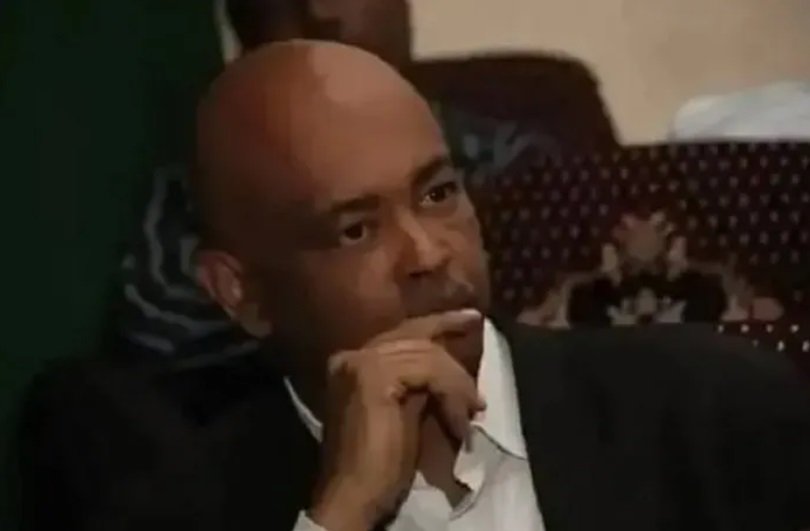
By Kebour Ghenna
So, the country’s leaders figured we need a little loan? How is a $10 billion-plus loan from the IMF/World Bank supposed to make Ethiopia great again when the government is struggling to pacify the country and national anger is heading north?
The reasoning behind this massive loan raises eyebrows. Is it not an advance payment to own the country during its most difficult period? None of the details about this loan are known to the public. Surely, the banks must realize this loan will not be repaid. Previous loans haven’t worked; everyone acknowledges that real prosperity cannot be bought on credit, especially when the country is already bankrupt.
It’s uncertain whether the banks are even interested in getting their money back. They benefit more from keeping Ethiopia perpetually tied up in debt, effectively owning the country and its people, trapped in destitution.
I want to ask this government if it has learned anything from the ongoing crisis in Kenya. For half a century, Kenya has been and still is the darling of the IMF/World Bank. Kenya has sought loans from these institutions over 20 times.
The results?
Zippo!
Sure, Kenya is the largest and most diversified economy in the East African region, but just look at the mess it’s in. Kenyans are struggling to pay their bills now. And the credit explosion the government is seeking isn’t going to make Kenyan richer either; it’s going to make them poorer.
The Kenyan people have been, and continue to be, exploited by international lenders who impose stringent austerity measures to recover their burdensome loans. These policies primarily serve the interests of multinational corporations and financial institutions operating in Kenya, leaving the populace with little benefit and much hardship.
What next?
It’s clear that Ruto understands these institutions are not there to support Kenya and its people. His bosses (The BANKS) may push him out of power, but the debt will persist until a new order replaces the old one. I believe, this new order should establish the conditions for countries like Kenya and others in Africa to achieve true economic independence, creating the material and spiritual foundations necessary to elevate the standard of living to contemporary scientific and technological levels. Whether this transformation will be achieved violently or peacefully remains an open question.
That’s what may await Ethiopia if this administration blindly accepts loans with stringent terms that disproportionately affect the poor. Will this $10 billion-plus loan generate any more real wealth than previous ones? What exactly is this loan for? Is it for consumption or investment? And if it is for investment, is it a wise one? It’s not enough to simply invest; the money must be allocated to projects that generate returns, provide dividends, and create cash flow to repay the debt. Will the government spending achieve this?
Editor’s note : The article appeared first on the personal facebook page of Kebour Ghenna
__
To Publish an Article On borkena , please send submission to info@borkena.com for consideration.
Join our Telegram Channel : t.me/borkena
Like borkena on Facebook
Add your business to Borkena Business Listing/Business Directory Jobs
Join the conversation. Follow us on X (formerly Twitter ) @zborkena to get the latest Ethiopian news updates regularly. Ethiopia To share information or for submission, send e-mail to info@borkena.com