
By: Getahun Tsegaye
Staff Reporter
Addis Ababa, Ethiopia – In a hopeful turn amid a dire situation, 41 Ethiopian nationals held by armed groups in Myanmar have begun their journey home, Thai sources told the BBC.
These individuals had previously been held captive in cybercrime compounds within Myanmar, where they were reportedly coerced into participating in online scam operations. Following their escape from these compounds, they tragically fell into the hands of various armed factions, including the Democratic Karen Benevolent Army (DKBA) and the Border Guard Force (BGF).
These groups currently exert control over several regions in Myanmar, where thousands of foreign nationals – many lured by deceptive job offers – remain stranded in increasingly dire conditions.
Thai officials informed the BBC that the 41 Ethiopians were initially transferred to Thailand and are now en route to their homeland. These same sources indicated that approximately 300 additional Ethiopians are expected to be repatriated over the next two weeks as part of a coordinated effort to bring them home.
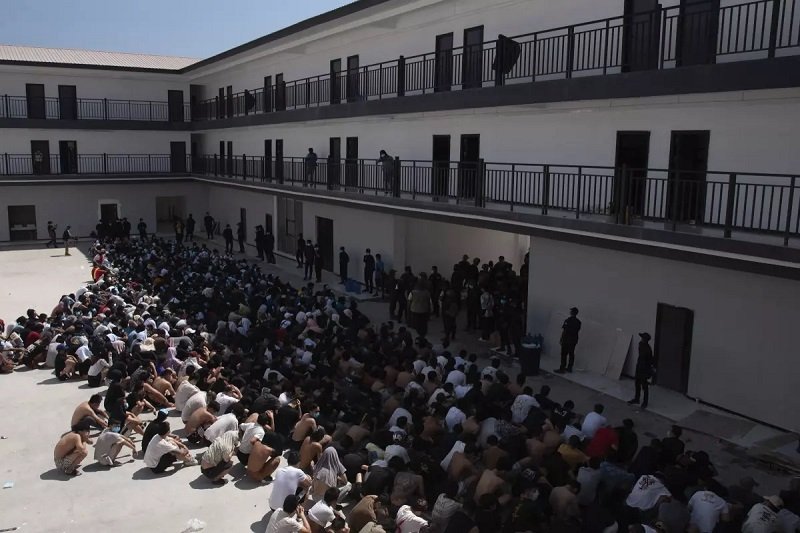
Disturbingly, it is believed that over 700 Ethiopian nationals still remain in the custody of armed groups within Myanmar. Many of these individuals had initially managed to escape the cybercrime compounds in February, only to be recaptured amidst the country’s ongoing and volatile civil conflict. The majority had been trafficked into Myanmar after being promised lucrative job opportunities in Asia, only to find themselves forced into working at scam centers.
Victims who have managed to escape have recounted tales of severe abuse, including grueling work schedules that stretched for up to 16 hours a day and appalling living conditions. Some have voiced their growing frustration over the slow progress of repatriation efforts. As one detainee was quoted as saying in earlier reports, “We are stuck here, and others from different countries have already gone home.”
Families back in Ethiopia have also voiced their deep concern and anxiety over the delays in rescue efforts. Abebech Simel, a representative of a committee formed by affected families, told the BBC that government officials had cited “budget constraints” during discussions regarding the urgent situation.
Sources familiar with the matter have indicated that Ethiopian government representatives have not yet arrived in Thailand to assist with the crucial process of processing the remaining detainees. “The victims initially wanted to return home all at once, which unfortunately complicated the logistical process,” one source explained.
This unfolding humanitarian crisis follows earlier reports in April highlighting the desperate pleas of over 700 Ethiopians detained in military-run facilities in Myanmar. These individuals expressed a profound fear of being re-trafficked or facing even worse fates.
Background to the Crisis:
As Borkena News previously reported in April, more than 700 Ethiopians detained in a military-run facility in Myanmar were urgently appealing for help, fearing they could soon be returned to the very traffickers who initially lured them into the country with false promises of well-paying employment.
These individuals were initially targeted by sophisticated criminal networks operating internet scams. They were deceptively offered what seemed like legitimate and well-compensated jobs abroad, primarily in various parts of Asia. Instead of the promised opportunities, they were smuggled into countries like Myanmar and forced to work in cybercrime compounds controlled by heavily armed groups. Their roles involved coercing social media users into scams for up to 16 hours each day, leading to severe emotional and mental distress, and even physical health problems. Some victims, according to reports from the local media outlet Addis Fortune, developed serious kidney complications due to the immense stress and relentless overwork.
Their ordeal did not end when they were freed from these horrific compounds. While some were rescued by local armed opposition groups, many were subsequently transferred to military detention centers, where they now face rapidly deteriorating conditions and a renewed sense of danger. “We are more than 700 people here,” one young Ethiopian detainee desperately told Deutsche Welle, describing their situation as “extremely distressing.” He chillingly recounted that they are frequently threatened with being returned to the very scam compounds they had risked everything to escape. “We are living in constant fear,” he added, his voice conveying the palpable anxiety of the group.
Another detainee explained the devastating impact of Myanmar’s ongoing armed conflict on their already precarious situation. “This is a heavy war zone,” he said with fear. “The armed group that is currently holding us is actively fighting with another force. Some days, the fighting gets dangerously close to our location.” He also expressed deep and legitimate concern that if the military forces detaining them were to retreat or be defeated, another armed group could potentially seize control of the facility and exploit the vulnerable migrants for forced labor or even military purposes.
Their desperate calls for help have become increasingly urgent. Tragically, some of the detainees were reportedly injured in a recent earthquake and have received no medical attention whatsoever. “We are not safe here,” one pleaded. “We desperately need to get out before it’s too late.”
In March, Ethiopia’s Ministry of Foreign Affairs confirmed the successful repatriation of 130 citizens from Myanmar via Thailand, a process that was coordinated with the Ethiopian embassy in India. However, a significant number of Ethiopians remain stranded and in grave danger. A parent-led committee tirelessly advocating for their release informed Addis Fortune that over 270 Ethiopians are confirmed to be held in Myanmar, Laos, and Cambodia. The actual number of Ethiopians trapped in cyber-fraud operations across the region is feared to be much higher, with some estimates suggesting as many as 3,000 individuals.
Myanmar itself is currently engulfed in a brutal and complex internal conflict. Since the military coup in 2021, the country has become a fierce battleground between government forces and various powerful ethnic armed groups, including the Arakan Army, the Kachin Independence Army, and the People’s Defense Forces. While many of the scam centers that once operated with relative impunity in areas like Shan State have been raided, the collapse of central authority has left countless victims in a terrifying state of legal and physical limbo. Many, including these Ethiopian nationals, are now trapped in detention or once again at the complete mercy of heavily armed factions.
The International Organization for Migration (IOM) has sadly identified Ethiopia as one of the largest sources of irregular migration in the region. Tens of thousands of Ethiopians undertake incredibly dangerous journeys every year, particularly along the perilous Eastern Corridor through Djibouti, Somalia, and Yemen towards the Gulf nations. While young men constitute the majority of these flows, a growing number of women and even unaccompanied minors are increasingly part of these desperate attempts to find a better life. In 2023 alone, over 100,000 Ethiopians were deported from Saudi Arabia. Many return to Ethiopia in devastating physical and mental condition, and with limited reintegration options available to them at home, some tragically attempt the dangerous journey again.
Adding to the complexities and risks faced by Ethiopians seeking opportunities abroad, Ethiopia’s Ministry of Labour and Skills recently issued a strong public warning against deceptive social media advertisements falsely claiming to offer legal jobs overseas, particularly in highly sought-after destinations like Canada and Europe. While the Ministry affirmed that it is the only authorized body to facilitate legitimate employment opportunities abroad, it stressed that no other entity has been granted a license to recruit for jobs in Europe or North America. “Unauthorized individuals are actively spreading false job offers online, potentially leading to severe exploitation or human trafficking,” the Ministry stated in its warning. Citizens are strongly urged to verify the legitimacy of any job offers exclusively through the official government platform, lmis.gov.et, to ensure their safety and avoid falling victim to these dangerous scams.
Efforts to obtain an official comment from Ethiopia’s Ministry of Foreign Affairs regarding the remaining Ethiopian nationals still trapped in the perilous situation in Myanmar were unsuccessful at the time of reporting.
__
Subscribe : https://borkena.com/subscribe-borkena/
Join our Telegram Channel : t.me/borkena
Like borkena on Facebook
Add your business to Ethiopian Business Listing / Ethiopian Business Directory Business Listing Toronto
Join the conversation. Follow us on X (Formerly Twitter) @zborkena to get the latest Ethiopian News updates regularly. Subscribe to YouTube channel To share information or for submission, send e-mail to info@borkena.com
What a relief for the 41 returnees and their families. Let’s pray the rest of the approximately 700 countrymen/women they too will come home to their families soon. I just want to remind you that Myanmar is ruled by a confused commie-fed junta. I’m just saying.