
borkena
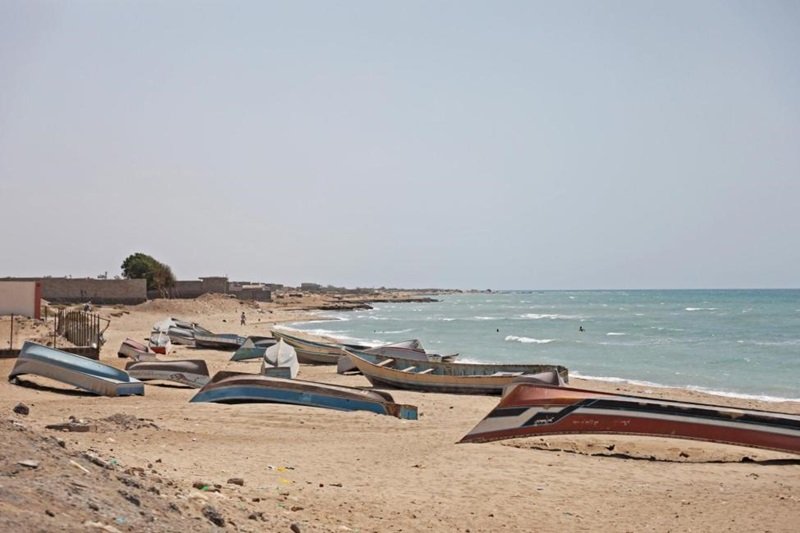
Toronto – The International Organization for Migration on Sunday announced that 13 Ethiopian Migrants were killed when a boat carrying them capsized on the Coast of Yemen on Tuesday – the cause of which is said to be unclear.
The Boat was reportedly carrying a total of 25 Ethiopian Migrants and 14 of them are missing. IOM cited field reports from the International Organization for Migration (IOM) to report that “The vessel, which departed from Djibouti carrying 25 Ethiopian migrants along with two Yemeni nationals, sank near the Dubab district in Bani Al-Hakam sub-district”
Two of those killed in the accident are women and the remaining are men. Their bodies have been recovered on the shores of Bab-al Mandab near Al-Shura in the Dubab district, according to an IOM report.
Furthermore, the report added that a search operation is underway to locate the remaining missing Ethiopian migrant.
The IOM report also noted that the organization’s Missing Migrants Project has recorded 2,082 migrant deaths since 2014.
From reports by Ethiopian state media in the recent past, most Ethiopians who found themselves in Djibouti and Yemen as migrants are victims of human trafficking.
__
Join our Telegram Channel : t.me/borkena
Like borkena on Facebook
Add your business to Ethiopian Business Listing / Ethiopian Business Directory
Join the conversation. Follow us on X (Formerly Twitter) @zborkena to get the latest Ethiopian News updates regularly. Subscribe to YouTube channel To share information or for submission, send e-mail to info@borkena.com
“”“I want to go home,” Kenyan Eulita Jerop tells the BBC from Lebanon, where she is employed as a domestic worker.
But the terms of her employment make it difficult for her to leave, despite fears of an all-out war in the country.
She has been terrified by the unfamiliar sounds she has heard overhead on the outskirts of the capital, Beirut.Banchi Yimer, who founded an organisation supporting the rights of Ethiopian domestic workers, says the average monthly salary used to be $150 but since the cost-of-living crisis, which hit Lebanon hard, “many are not getting paid at all”.
“Every day we receive calls from women panicking… they ask us if we have any [evacuation] plan, if we can do anything about it.“They say I can’t leave because I haven’t finished my contract,” Chiku says. “But is this contract more important than my life?”Ethiopian government spokesperson Nebiyu Tedla told the BBC they are “preparing contingency plans to evacuate diplomats and citizens from Lebanon if necessary”.
However, Ms Banchi makes the point that even before the Israel-Gaza conflict, there were already many Ethiopian women stranded in Lebanon desperate to leave. The shells have mostly fallen in southern Lebanon and northern Israel, but there are concerns that the rest of Lebanon could get caught up as the conflict transforms into a wider regional struggle.”””
“the measure of society is how it treats the weakest members” ― Thomas Jefferson