
Ethiopia National University Service will be implemented in two years
Borkena
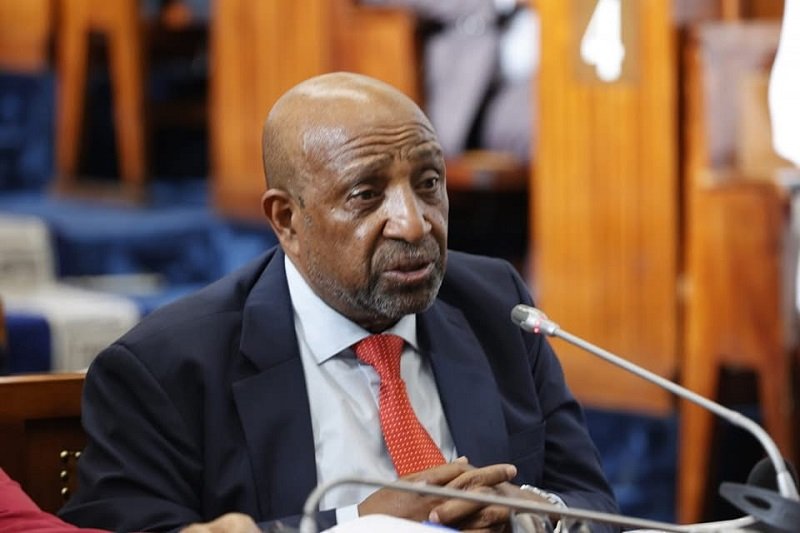
Toronto – Ethiopia’s government will require university students to complete a one-year national service program before graduating, Education Minister Berhanu Nega announced this week.
The initiative aims to have students offer mandatory service in regions while gaining practical experience— the Ministry calls it “Ethiopia University Service.” However, the launch timeline remains uncertain, with the minister, Berhanu Nega, stating it could begin next year or in 2019 (Ethiopian Calendar). He unveiled the plan during a performance report to a parliamentary standing committee this week.
According to TikVah, an Ethiopian social media news source, Professor Berhanu said: “If we can manage it this year and start implementing it next year, good. If not, we will certainly begin in 2019 [Ethiopian Calendar].”
He referenced pre-1970s Ethiopian Revolution programs, where third-year university students were required to dedicate one year of service to provinces—giving back to the nation that funded their education while gaining practical experience. The program appears similar to an internship.
The government will cover basic expenses, and the goal is to foster maturity and community awareness among students before they enter their fourth year of study.
Students enrolled in four-year programs will undertake the service after their third year, while those in five-year programs will do so after their fourth year. The Ministry is confident the program will commence within two years.
However, its meaningful implementation remains in question due to ongoing civil wars in two regions and a worsening security crisis, particularly in Oromia. Since Prime Minister Abiy Ahmed took office in 2018, universities have become hotbeds of violent ethnic nationalism. There have been multiple instances of students being killed—both on and off campuses—while kidnappings during inter-regional travel have also surged (Borkena has reported at least two such cases). These issues are most acute in Oromia.
If the program is truly national, students would likely serve outside their home regions. Given Ethiopia’s ethnically based federal system and rising ethnic tensions, another key question is whether students and their families would be willing to participate.
In a related development, the Education Minister highlighted that Ethiopia faces a shortage of over 100,000 teachers nationwide.
__
Subscribe : https://borkena.com/subscribe-borkena/
Join our Telegram Channel : t.me/borkena
Like borkena on Facebook
Add your business to Ethiopian Business Listing / Ethiopian Business Directory Business Listing Toronto
Join the conversation. Follow us on X (Formerly Twitter) @zborkena to get the latest Ethiopian News updates regularly. Subscribe to YouTube channel To share information or for submission, send e-mail to info@borkena.com