
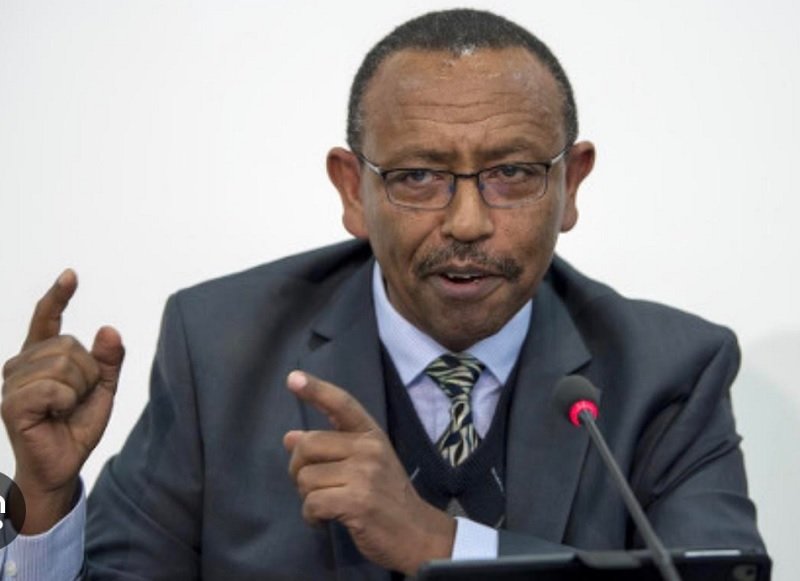
By Pastor Degone Moreda Moretew
Throughout history, individuals and institutions have played significant roles in promoting hatred against particular ethnic, religious, and social groups. Such propaganda has, in some cases, served as a precursor to mass violence, ethnic persecution, and genocide.
Historical examples include Nazi Germany’s propaganda campaign against Jewish and Roma communities, as well as the role of Radio Télévision Libre des Mille Collines in Rwanda in spreading hatred against Tutsis before and during the 1994 genocide.
These historical tragedies remind us that authors, publishers, media institutions, religious organizations, and influential individuals carry a profound responsibility to avoid promoting hatred, discrimination, and hostility against vulnerable populations.
In Ethiopia, the continuing violence and reported atrocities targeting the Amhara population and Ethiopian Orthodox Christians demand serious attention. Concerns about ethnic discrimination, institutional segregation, and the political legacy of TPLF-era policies deserve honest, impartial, and comprehensive historical examination.Equally concerning are allegations that certain publications, reportedly supported by church-related funding originally designated for fair and balanced historical research, have contributed to hostility against the Amhara people and Ethiopian Orthodox Christians.
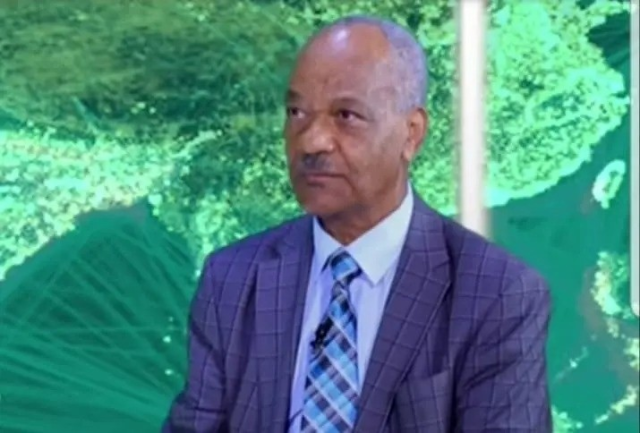
Professor Tessema has been identified as one of the individuals involved in developing a controversial publication under the title, “Evangelical Faith Movement in Ethiopia ” edited by Fekadu Gurmessa in Amharic and Hizkel Gabissa in English. The publication has faced serious criticism from scholars and members of the Ethiopian authors’ community regarding its portrayal of the Amhara people and Ethiopian Orthodox Christians. Critics argue that its content promotes divisive narratives and risks deepening existing ethnic and religious tensions.
There are also serious questions concerning the involvement and institutional responsibility of leaders of the Ethiopian Evangelical Church Mekane Yesus, particularly Reverend Yadessa Daba and Reverend Itefa Gobena, who successively led the church following the tenure of the widely respected and unifying leader, Reverend Francis Stephanos. Their alleged involvement in the publication and its institutional support warrants transparency and independent examination.
In particular, the church should clarify how donor-designated funds were allocated, whether they were used in accordance with their original purpose, and whether institutional resources or authority were used to support publications that may have contributed to ethnic or religious hostility.
It is important to recall that prominent scholars and members of the Ethiopian Authors Association raised objections to the controversial publication. The late Amare Mamo, a former secretary of the Mekane Yesus Church, also reportedly challenged its content. He had previously faced institutional difficulties following his criticism of the ethnically divisive leadership associated with Reverend Gudina Tumsa. During his lifetime, Amare Mamo brought attention to the controversy through Heywot Magazine.
These concerns should neither be dismissed nor ignored. Religious institutions have a moral obligation to promote reconciliation, human dignity, justice, and peaceful coexistence. They must never allow institutional authority, academic influence, or donor-funded resources to become instruments of ethnic or religious division.
Urgent Measures for Accountability and Reconciliation
The following measures should be implemented as an immediate and constructive response:
1. Public Acknowledgment and Apology
The leadership of the Ethiopian Evangelical Church Mekane Yesus should publicly address the controversy and offer an appropriate apology if an independent examination establishes that its institutional resources, authority, or funding were used to support material promoting hatred or discrimination.
2. Independent Investigation
An impartial and independent investigation should establish the circumstances surrounding the research, production, editing, financing, and distribution of the controversial publications. Particular attention should be given to the original purpose of donor-designated funds and how those resources were ultimately utilized.
3. Institutional Accountability
Individuals and institutions found responsible for promoting ethnic or religious hatred, misusing donor-designated resources, or contributing to discrimination should be held accountable through appropriate institutional and, where warranted, legal processes.
4. Protection of Vulnerable Communities
Ethiopian religious institutions, scholars, civil society organizations, and international partners should stand firmly against violence and discrimination targeting the Amhara population and Ethiopian Orthodox Christians. At the same time, they must defend the dignity, equality, and fundamental rights of all Ethiopian communities, regardless of ethnicity, religion, or political affiliation.
A Moral Responsibility to Prevent Hatred
History teaches us that hatred can begin with words and publications before manifesting itself in discrimination, persecution, and violence. We must therefore take seriously the responsibility of authors, publishers, academics, and religious leaders to ensure that their work promotes truth, justice, and mutual understanding rather than division and hostility.
The objective of this appeal is not revenge, political retaliation, or the suppression of academic freedom. Rather, it is to demand truth, justice, institutional transparency, accountability, and the protection of human dignity.
The Ethiopian Evangelical Church Mekane Yesus, given its historical religious and social influence, has an important opportunity to address these concerns openly and demonstrate its commitment to justice, reconciliation, impartial historical research, and peaceful coexistence.
Silence in the face of injustice should never become an institutional virtue. Accountability and reconciliation must begin with the courage to confront the truth.
Editor’s Note: Views in the article do not necessarily reflect the views of borkena.com
__
Join our Telegram Channel: t.me/borkena
Like borkena on Facebook
To submit a press release, send the submission to info@borkena.com
Add your business to Ethiopian Business Listing / Ethiopian Business Directory
Join the conversation. Follow us on X (formerly Twitter) @zborkena to get the latest Ethiopian news updates regularly