
One of Sudan’s two warring armies speaks with the title of “government”. Ethiopians have already seen what that title can do on their own border.
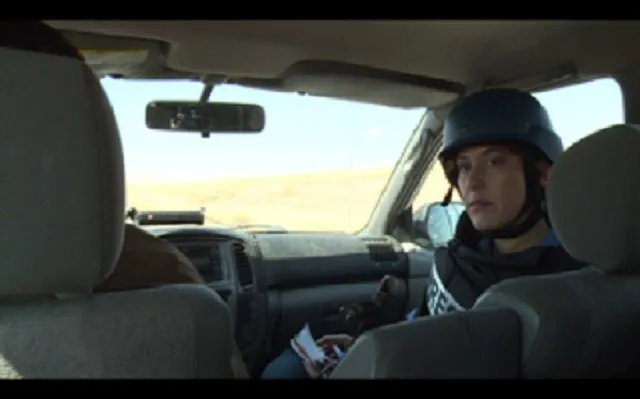
By Paula Slier

The most useful weapon in Sudan’s war is not a drone. It is a title.
For three and a half years, two armed forces have fought over Sudan: the Sudanese Armed Forces (SAF) and the Rapid Support Forces (RSF). Only one is routinely introduced as “the government”. When the SAF’s spokesman speaks, headlines begin “Sudan says”. When the RSF speaks, it is “the paramilitary claims”. Those few words decide who is believed before anyone has checked a fact.
The title is thinner than it sounds. General Abdel Fattah al-Burhan took power in a coup in October 2021. The African Union suspended Sudan in response and declined to lift that suspension as recently as February. The continental body headquartered in Addis Ababa does not seat the men whose press conferences much of the world’s media report as the official record.
Every army at war briefs to win. Its statements are written to rally its own side, isolate its enemy and persuade the diplomats and donors who are watching. That holds whether a claim turns out to be accurate or not. What changes is how much scrutiny the claim receives, and a spokesman with “government” beside his name receives far less.
Ethiopians have seen up close what that title can do. In early May, the SAF’s spokesman announced that drones which struck Khartoum airport had been launched from Bahir Dar. He offered what he called conclusive evidence: flight data said to come from a drone shot down near El Obeid in March. Addis Ababa called the accusation baseless. It made little difference. Sudan recalled its ambassador, its foreign minister spoke of open confrontation, and within days the army was reinforcing its positions around Al-Fashaga.
What followed is the instructive part. Open-source investigators at the Centre for Information Resilience examined the claim and reported that they could not corroborate, from satellite imagery, that the drones had been housed at Bahir Dar. By then it hardly mattered. An ambassador had gone home and soldiers had moved. In information warfare a statement does not need to be proven to succeed. It needs to be repeated, with the word “government” attached.
The bill lands on people who were never at the press conference. Farmers and traders from Al-Fashaga to Metema depend on a border that every new accusation makes more dangerous. Tens of thousands of Sudanese refugees sheltering in Ethiopia rely on the goodwill of hosts who are being told that the two countries are enemies. And the AU, donors and foreign editors form their picture of Ethiopia’s role from whichever account reaches them first and loudest.
None of this means Addis Ababa’s word should be taken on trust either. In February, Reuters reported that a camp in Benishangul-Gumuz was training thousands of RSF fighters, and that Asosa airport was being upgraded for drones. Ethiopia denies backing the RSF. But look at how that story was built: fifteen sources, internal documents, satellite images that others can examine. That is the difference between reporting and a podium, and it cuts in whichever direction the evidence goes.
It is cutting close to home now. With fighting back in the north, Field Marshal Birhanu Jula said last month that neither Eritrea nor the TPLF could achieve anything unless they were supplied by Sudan, Egypt and other outside powers. Sudan’s army called that baseless. He may be right. But he commands an army at war, he gave no detail, and his claim deserves exactly the scrutiny Ethiopians wanted applied to Bahir Dar.
Then, on 4 October, General Burhan stood in New Alamein beside the presidents of Egypt, Eritrea and Somalia as they issued a declaration backing Sudan’s military-led government. The title again, this time with three heads of state behind it. Expect to hear it quoted often in the weeks ahead.
So here is the test I use, and that any reader can apply in the time it takes to scroll past a headline.
Who is speaking? Not “Sudan” or “Ethiopia”, but which office, which army, which spokesman.
What do they gain if you believe them? A belligerent’s statement is an instrument of war. That does not make it false. It makes it interesting.
Who has verified it? Look for someone with no stake in the outcome, showing evidence you could check yourself.
Apply it to the SAF. Apply it to the RSF, a force the United States has accused of genocide in Darfur and which now claims a “government” of its own.
Apply it to Addis Ababa. Some answers will fall against Khartoum and some against Ethiopia’s own officials. That is what an honest test does.
This is not a defence of any government or armed group. It is an argument about who gets to write the first draft of Ethiopia’s part in Sudan’s war. With the Horn as tense as it has been in years, Ethiopians cannot afford to let any army, a neighbour’s or their own, do that writing unchallenged.
Paula Slier is an international journalist and war correspondent who has reported from more than 25 conflict zones. She writes and speaks about modern conflict, information warfare and the struggle to establish what is true.
Editor’s Note: Views in the article do not necessarily reflect the views of borkena.com
__
Join our Telegram Channel: t.me/borkena
Like borkena on Facebook
To submit a press release, send the submission to info@borkena.com
Add your business to Ethiopian Business Listing / Ethiopian Business Directory
Join the conversation. Follow us on X (formerly Twitter) @zborkena to get the latest Ethiopian news updates regularly.