
By Shanko Dache
The recent news that seven Ethiopian opposition and armed groups have formed a coalition could mark an important turning point for the country. It landed like a bomb in an already deeply divided political landscape. For the first time in many years, groups that have been bitter political rivals—and at times outright enemies—are sitting on the same side of the table.
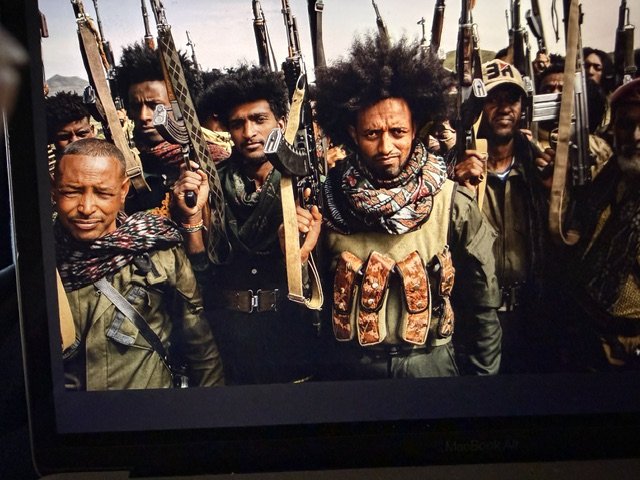
The coalition brings together the Tigray People’s Liberation Front (TPLF), the Oromo Liberation Army (OLA), the Amhara Fano National Movement, and four other groups. They have announced an objective to remove the current unpopular government that commits democracy led by the Prosperity Party, and establish an inclusive transitional administration.
That is a development. These organizations have political views, histories, grievances and regional interests. Some have fought one another. They have now found enough common ground to work together. Their differences have not. They should not pretend otherwise. What matters is whether they can resolve those differences through politics rather than through another round of violence.
For millions of Ethiopians exhausted by war, displacement, insecurity, and political uncertainty, this development brings a measure of hope. Hope alone is not enough. The coalition now has a responsibility to prove that the transition is more than another attempt by one group to replace another at the top. From the experience of the past fifty years, one group, whether ethnic or military, can’t single-handedly take political power, stay forever, and do whatever it wants with impunity.
What happens after the government is removed, Ethiopians need to know. They need to know if this coalition is about building a system where ordinary citizens—not armed groups or political elites—have a genuine say in the country’s future.
Ethiopia Is for All
The coalition’s message should be simple and unmistakable: Ethiopia belongs to all its citizens.
The fact that the coalition includes organizations from political and regional backgrounds could become one of its greatest strengths. That will happen only if the coalition turns its diversity into a genuine commitment to political inclusion.
It must not become a vehicle for any one group, region, or political ideology. An Ethiopian should not have to fear another Ethiopian because of ethnicity, language, religion, or where he or she was born.
Every citizen should have the basic right to participate in the affairs of the country. Ethiopians should be able to live, work, study, buy property, raise families, and build their lives anywhere in the country without being treated as outsiders.
Like the current situation in Ethiopia today, no Ethiopian should be considered a foreigner in his or her country simply because of ethnic background.
That is a standard, especially considering that some of the groups now sitting together were fighting each other only recently. The fact that they are fighting a brutal criminal dictator together means they are shedding their blood for the freedom and dignity of others, and this alone should strengthen their bonds. Groups signing an agreement do not erase yesterday’s violence. Those wounds will eventually have to be addressed openly.
The Need for a Clear Transitional Charter
Before asking the public to support the coalition, its leaders should explain exactly what they intend to do.
The Ethiopian people deserve answers to basic questions:
• How will the transitional government be formed?
• How long will the transition last?
• What powers will the transitional government have and what limits will be placed on those powers?
• How will political parties and community-based civic organizations participate?
• How will regional and minority interests be protected?
• What will be done to protect civilians and human rights from the day of the transition?
• How will disagreements among coalition members be resolved?
• When and how will free and credible elections be held?
A transitional government must not become a government by another name.
The coalition should place limits on its authority from the beginning. The leaders who guide the transition must understand that their authority is temporary and ultimately belongs to the people.
Let the People Decide
Perhaps the important promise the coalition can make is to give ordinary Ethiopians a real voice in deciding how their country will be governed. That requires a national discussion. Political parties, organizations, women, young people, civil society groups, scholars, business leaders, local communities, and groups that have been ignored for years should all have a place in that conversation.
Ordinary citizens cannot remain spectators while decisions about their future are made by military leaders.
The purpose should not be to impose another made political or constitutional arrangement on Ethiopia. The goal should be to create an environment in which Ethiopians can openly discuss the difficult questions that have divided the country for decades and work toward agreements that people can accept.
The coalition’s commitment to a transition and national dialogue could provide an opportunity for that conversation. It will only mean something if ordinary Ethiopians are actually allowed to participate.
The Real Test Is Political Culture
Ironically, one of the challenges facing this coalition may come from within the coalition itself.
Bringing enemies together is an achievement. Keeping them together when serious disagreements arise will be much harder.
The groups do not have to agree on every question today. They do, however, need rules for handling their disagreements. If those disagreements eventually lead back to violence, the coalition will have failed at one of the important things it claims to be trying to achieve.
If former adversaries can sit together, negotiate their differences, and follow a transitional plan, they can demonstrate something important to the rest of Ethiopia.
Unity does not Mean that Everyone has to Think in the Same Way
Ethiopia does not need citizens who all hold the same political views. It needs an environment where people with very different opinions can live together, compete for votes, criticize one another, and participate in politics without fearing for their lives.
The Right to Live Anywhere in Ethiopia
One of the country’s difficult problems is the question of whether Ethiopians can truly feel that they belong everywhere in their own country. A stable Ethiopia should be a country where a Tigrayan can live peacefully in Oromia, an Oromo can live safely in Amhara, an Amhara can live securely in Tigray, and people from every part of the country can build their lives wherever they choose.
People should not be forced from their homes because political circumstances change.
Ethiopian citizenship should provide a sense of security. Belonging throughout the country. That does not mean erasing Ethiopia’s cultures, languages, histories, and identities. Those identities can continue to exist and flourish while Ethiopians also develop a sense of common citizenship.
The country needs both respect for its diversity and a political system in which every citizen has dignity and equal rights.
Civilians Must Be Protected
Ethiopian civilians have already paid a price in lives lost, homes destroyed, and people forced from their communities. That cannot continue.From this point ordinary people must not be treated as targets or used as political tools.
The coalition should make a public commitment to protecting civilians, respecting international humanitarian law, and preventing retaliatory attacks. Political accountability must be directed at individuals for wrongdoing; entire ethnic communities should never be punished for the actions of particular individuals or governments.Changing who controls the government while continuing the cycle of violence would not solve Ethiopia’s problems.
The real objective should be a country where a change in power does not mean that one community has to fear what another community will do to it.
That will require reconciliation. Ethiopia cannot build a future by simply moving past the wounds of its history without addressing them.
The coalition has created an opening. Whether that opening becomes another chapter of conflict or the beginning of a political era will depend largely on what it does next. The Ethiopian people should not be asked simply to trust the coalition. They should be given commitments, clear rules, and a meaningful role in deciding the country’s future.
Editor’s Note: Views in the article do not necessarily reflect the views of borkena.com
__
Join our Telegram Channel: t.me/borkena
Like borkena on Facebook
To submit a press release, send the submission to info@borkena.com
Add your business to Ethiopian Business Listing / Ethiopian Business Directory
Join the conversation. Follow us on X (formerly Twitter) @zborkena to get the latest Ethiopian news updates regularly.
Correction: The word “democracy” in the article should read “democide.” The sentence should be:
“They have announced an objective to remove the current unpopular government that commits democide, led by the Prosperity Party, and establish an inclusive transitional administration.”