
A worsening El Niño climate cycle and severe rainfall deficits threaten Ethiopia’s primary Meher harvest, raising acute food security concerns across agricultural and pastoral regions
By Staff Writer
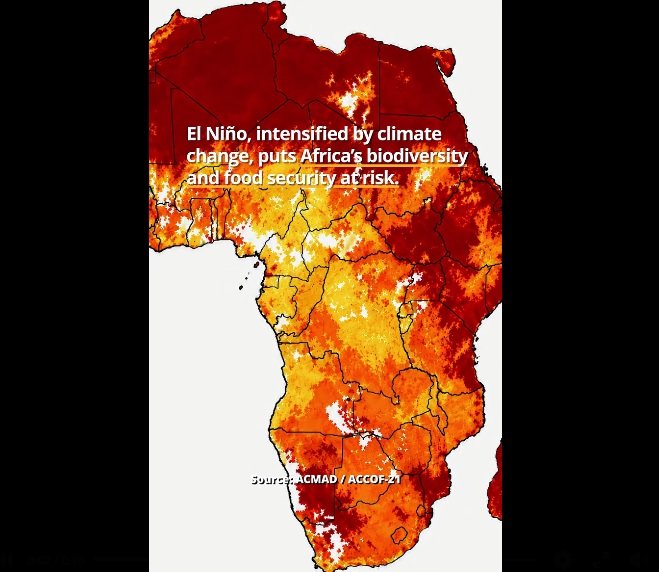
(Nairobi, Kenya) — A worsening El Niño climate cycle has thrown Ethiopia’s primary agricultural season into critical jeopardy, with rainfall levels across main farming and pastoral belts dropping over 50 percent below historic averages. Early warning networks and regional monitoring systems report that the severe moisture deficit directly threatens the Meher harvest—the country’s principal crop production cycle that yields over 85 percent of the national grain supply.
In its latest project update for the period spanning August 2026 to January 2027, the Famine Early Warning Systems Network (FEWS NET) indicates that the June-to-September Kiremt rainy season has recorded some of the lowest precipitation levels on record. The persistent dryness has triggered severe drought conditions across northern, central, and eastern agricultural areas, stalling crop development, forcing farmers into repeated replanting, and sharply reducing expected seasonal yields.
Local agricultural assessments across northeastern farming belts—including lowland zones along the Tekeze River basin, eastern Tigray, and East and West Hararghe—detail widespread crop damage. In many districts, rural households that sowed seeds following delayed early rains suffered total germination failures, exhausting seed stocks on multiple replanting cycles. Field checks reveal widespread wilting in maize fields and severe stunting in sorghum, with minimal prospect for recovery before the seasonal rainfall window closes.
The moisture deficit is equally acute across pastoral ecosystems. In lowland areas of Afar and communities along the Great Rift Valley, dried-up water points and depleted pastures have caused livestock emaciation and mortality, reducing milk production and undercutting household incomes for herding families.
Food security analysts warn that the depressed harvest outlook will drive acute food insecurity between late 2026 and early 2027. Reduced demand for seasonal agricultural labor—an essential income source for poor rural households—combined with elevated food commodity prices, threatens to lock drought-impacted farming areas into Crisis (IPC Phase 3) and Emergency (IPC Phase 4) food security conditions.
While meteorologists predict that the strengthening El Niño could bring an early onset of the Deyr/Hageya rains to southern pastoral areas, experts caution that heavy downpours could trigger localized flash flooding. Agricultural authorities and international humanitarian partners are calling for expanded emergency assistance, input supplies for farmers, and safety-net deployments to mitigate compounding food shortages across vulnerable regional states.
__
Join our Telegram Channel : t.me/borkena
Like borkena on Facebook
Join the conversation. Follow us on X (Formerly Twitter) @zborkena to get the latest Ethiopian News updates regularly. Subscribe to YouTube channel To share information or for submission, send e-mail to info@borkena.com
To Support Borkena : https://borkena.com/subscribe-borkena/ – one time support or small monthly options available. Inquire information about it : info@borkena.com