
Agriculture Office Reports Mass Livestock Deaths, Malnutrition Outbreaks, and Critical Shortages of Potable Water Across 18 Kebeles
By Staff Writer
(Nairobi, Kenya) — A severe drought in Jan Amora District of the North Gondar Zone has triggered a compounding humanitarian crisis, causing widespread food and water shortages, mass livestock deaths, and psychological distress among local communities, local officials reported.
Swalih Hassan, head of the Jan Amora District Agriculture Office, told Tikvah Ethiopia that 18 out of the district’s 38 kebeles are severely affected by the drought, leaving over 96,000 residents facing acute shortages of food and potable water.
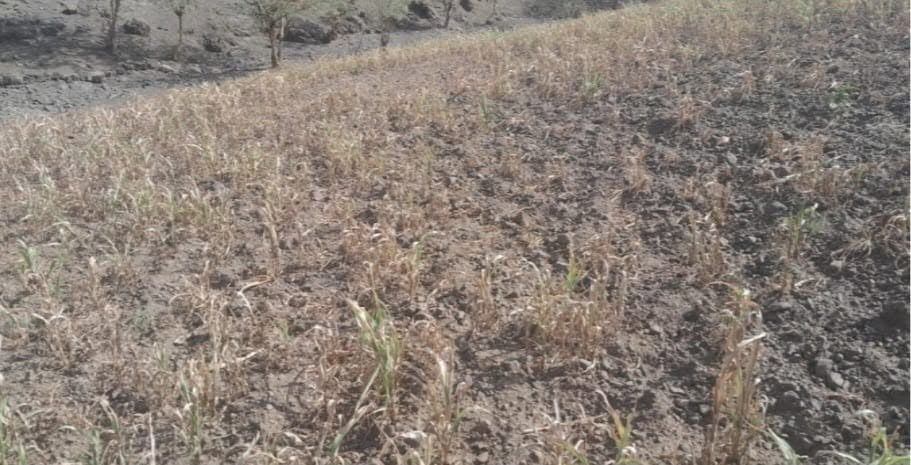
The crisis stems primarily from an extreme delay in seasonal rainfall. Rains that typically begin in May did not arrive until July 26, 2026, preventing farmers from planting crops within the standard agricultural window. Five kebeles recorded their first rainfall on July 26, while five others have received only four days of rain since the start of the summer season. Out of more than 25,000 hectares of farmland planted, crops on over 8,100 hectares failed to germinate. Teff crops in particular have been almost completely destroyed.
The economic pressure and food insecurity have taken a heavy toll on the community’s psychological well-being. In Wasel Kebele, seven men attempted suicide by drinking poison on the same day due to severe hardship and despair. Two of the men died immediately, while five survived following emergency medical treatment, according to the Agriculture Office.
Health conditions across the district are deteriorating rapidly. Official figures show that 71 children are suffering from severe acute malnutrition, while 5,029 children are experiencing moderate malnutrition. Additionally, over 4,000 pregnant and nursing mothers face severe food shortages.
Local water sources have suffered drastically, with river flows dropping by more than 90 percent. The shortfall has forced residents to rely on contaminated water sources, driving outbreaks of communicable diseases including scabies, malaria, and dysentery.
The agricultural sector has suffered heavy losses, with more than 3,000 livestock dying from a lack of feed and water. Nearly 4,000 animals have migrated to neighboring areas in search of pasture. Local officials also confirmed an outbreak of anthrax among livestock, warning that the death toll will rise due to exhausted regional medicine stocks and a complete lack of medical supplies within the district.
District officials warned that aid from government agencies and non-governmental organizations remains insufficient. While the Ethiopian Red Cross has initiated field assessments in two kebeles, local authorities emphasized that immediate deliveries of emergency food, medical supplies, and clean water are critical to prevent further loss of life.
__
Join our Telegram Channel: t.me/borkena
Like borkena on Facebook
Join the conversation. Follow us on X (formerly Twitter) @zborkena to get the latest Ethiopian news updates regularly. Subscribe to the YouTube channel. To share information or for submission, email info@borkena.com
This is a tragedy taking place on our watch. We should all get together and help those upright and generous people in their times of grinding hardship with no fault of their own. We should help them with the last penny in our pocket. In doing so, watch for those connivers who will try to use this human suffering to line their own pockets. Send your donations to charities like the Red Cross and MSF. Let’s go.
If I hear or read about a single malnourished child or any death due to lack of basic sustaining food, I will be holding PM Abiy and his entourage along with those Fano, OLA and TPLF leaders equally responsible. I will not and the world will not accept any excuses for it. Yes, the lack of timely rain can be the cause for crop failure but not for starvation that can lead to deadly famine. No sir!!! All these group should stay away from the area so humanitarian groups like the Red Cross, MSF, European and American charities can go in there unhindered and deliver direly needed food aid and medicine to the hungry innocent citizens. These charities should never ever hand over a single ounce of aid supplies or money to anyone of these miscreant armed groups.