

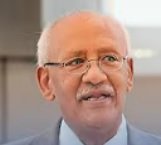
Aklog Birara (Dr)
Overarching conclusion
Ethiopia’s persistent poverty and dependence on external aid are the result of multiple, interacting structural, political, economic, environmental, and institutional factors. No single explanation is sufficient. The country has achieved periods of rapid economic growth, especially under Meles Zenawi’s regime and between 2004 and 2019—but this growth has not translated into sustained prosperity for much of the population due to recurring shocks and deep structural constraints.
Most Ethiopians are suffering from limited supplies, skyrocketing prices, bribery, corruption, cronyism, administrative malfeasance. and resource misallocation.
Part I. Ten Reasons Why Ethiopia Remains Poor and Aid Dependent
1. Political Instability and Armed Conflict
Recurring domestic conflict has been one of the greatest obstacles to development. The 2020–2022 Tigray War, as well as conflicts in Amhara and Oromia, destroyed infrastructure, displaced millions, interrupted education, discouraged investment, and diverted public resources toward military spending.
Abiy Ahmed’s determination to crush the Ethiopian Orthodox Tewahedo Church, a pillar of the county’s faith and identity for two thousand years, is no longer incidental. It is deliberate.
Evidence
The World Bank estimates that conflict has significantly reduced GDP growth and increased poverty.
Millions of Ethiopians require humanitarian assistance because of conflict.
References
World Bank. (2024). Ethiopia Overview.
United Nations OCHA. (2024). Ethiopia Humanitarian Needs Overview. 2. Rapid Population Growth
Population growth has two dimensions: it creates a huge market; and at the same time, it creates unhealthy competition and constant tensions among citizens because of limited supplies and access to opportunities. It creates a psychology of each person for himself/herself.
Ethiopia’s population is almost 140 million and continues to grow rapidly. Challenges include:
- pressure on land
- unemployment
- rising demand for schools and hospitals
- food insecurity
- environmental degradation
The bottom line is this. Economic growth has struggled to outpace population growth in many regions.
References
United Nations Population Division
World Bank Population Database
3. Dependence on Rain-Fed Agriculture
Agriculture contributes a large share of employment, yet much production depends on rainfall.
This makes the economy vulnerable to:
- drought
- climate variability
- crop failures
- livestock losses
Only a relatively small share of cultivated land is irrigated.
References
Food and Agriculture Organization (FAO)
World Bank Agriculture Reports
4. Low Industrialization
Manufacturing contributes a relatively small share of GDP.
Although Ethiopia invested heavily in industrial parks, export-oriented manufacturing has not grown as rapidly as expected because of:
- Logistics costs
- electricity reliability issues
- foreign exchange shortages
- political instability
References
UNIDO Industrial Development Report
World Bank Ethiopia Country Economic Memorandum
5. Weak Export Base
Exports remain concentrated on relatively few commodity products:
- coffee
- oilseeds
- flowers
- gold
The bottom line is this. Commodity dependence exposes Ethiopia to international price fluctuations.
Export earnings are insufficient to finance imports, contributing to chronic foreign exchange shortages.
References
International Monetary Fund (IMF)
World Bank
6. Governance and Institutional Challenges
International governance indicators suggest weaknesses in:
- public sector efficiency
- regulatory quality
- rule of law
- corruption control
Sadly, the Abiy regime does not acknowledge these institutional and governance weaknesses.
Weak institutions reduce investor confidence and lower the efficiency of public spending.
References
Worldwide Governance Indicators (World Bank)
Transparency International
7. Infrastructure Gaps
Although Ethiopia has invested heavily in roads, railways, and hydropower, significant deficits remain.
The bottom line is this. Many rural communities still face limited access to:
- reliable roads
- markets
- digital infrastructure
- quality healthcare
- quality education
These constraints reduce productivity and limit private-sector growth. References
African Development Bank
World Bank Infrastructure Reports
8. Foreign Exchange and Debt Constraints
Ethiopia has experienced recurring shortages of foreign currency. This is in huge part due to the misallocation of limited foreign exchange on glitzy projects like palaces, and the purchase of military weapons like drones and missiles.
Consequences include:
- import restrictions
- reduced industrial production
- slower private investment
- inflationary pressures
The bottom line is this. External debt servicing has constrained fiscal space, prompting debt restructuring efforts.
References
IMF Article IV Consultation
World Bank Macroeconomic Updates
9. Climate Change and Recurrent Drought
Ethiopia is highly vulnerable to climate shocks.
Recurring droughts reduce:
- agricultural output
- livestock production
- household incomes
The bottom line is this. Climate-related disasters increase humanitarian needs and reliance on international assistance. This harms the poorest of the poor most.
References
IPCC Sixth Assessment Report
FAO
World Food Programme
10. Human Capital Constraints
Although school enrollment has improved substantially over the past two decades, major challenges remain:
- learning outcomes
- child malnutrition
- healthcare access
- youth unemployment
- skills mismatch
The bottom line is this. Government led wars have inflicted immense suffering on the rural population, slaughtering civilians and destroying social and economic infrastructure. This has compounded the problem with an estimated eleven youths unable to attend school, four and half million of these in the Amhara region.
These factors limit labor productivity and innovation.
References
World Bank Human Capital Index
UNESCO
UNICEF
USAID
UNDP
UNESCO
I would like to summarize the main constraints:
- Challenge Economic Effect
- Armed conflict Destroys assets and discourages investment Rapid population growth Dilutes gains in income and services
- Rain-fed agriculture High vulnerability to drought
- Low industrialization Limited job creation
- Weak exports Foreign exchange shortages
- Governance weaknesses Lower investment and efficiency
- Infrastructure gaps Higher costs and lower productivity
- Debt and forex shortages Reduced investment capacity
- Climate change Increased food insecurity
- Human capital deficits Lower productivity and innovation
Part II. Recommendations for Making Ethiopia Prosperous
1. Achieve Lasting Peace and Political Stability
In my assessment, peace is the single most important prerequisite for sustainable development.
Key actions include:
- Implementing durable peace agreements involving all stakeholders including armed groups.
- Cessation of all politically motivated killings of civilians
- Strengthening inclusive political institutions, including politics beyond ethnic identity.
- Reducing inter-regional conflict, including agreements with neighboring states based on mutual benefit and reciprocity.
- Improving security for businesses and communities, especially small and medium size enterprises
- Prime examples of stabilization followed by strong growth and development after foreign wars and domestic conflicts are Rwanda and Vietnam.
2. Modernize Agricultural Productivity, especially smallholder farming through:
- irrigation expansion
- improved seeds
- mechanization
- extension services
- fertilizer efficiency
- climate-smart agriculture
The goal should be to shift from subsistence farming toward commercial agriculture. The leading incentive in my view is to move from landownership by the state to that of ownership by individual farmers and other citizens.
3. Build a Competitive Manufacturing Sector
Ethiopia has enormous, untapped potential to transom its rural economy. Its huge population provides unmatched domestic demand.
It must therefore expand labor-intensive industries such as:
- textiles
- leather
- pharmaceuticals
- food processing
- electronics assembly
It must support this through:
- reliable electricity
- efficient logistics
- streamlined regulations
- vocational training
empowerment of entrepreneurs including youth and women.
4. Diversify Exports
The World Bank has been urging Ethiopia to diversify its economy. Next door Kenya, home to the largest economy in East Africa has embarked on a strategy of diversification beyond tourism.
Ethiopia must reduce dependence on a narrow range of commodities by expanding exports of:
- processed agricultural products
- manufactured goods
- tourism
- digital services
- renewable energy
The bottom line is this. In addition to improving the lives of the poor; diversification can improve resilience to external shocks.
5. Strengthen Institutions and Governance
Abiy Ahmed keeps telling domestic and international audiences what they want to hear; namely, he is committed to reform including peaceful settlement of conflicts. Yet, he slaughters civilians almost every day.
The reform he is talking about is sell-serving and a far cry from core policies that prevent sustainability and resiliency.
The reforms I have in mind include:
- Cessation of wars, all wars
- enhancing judicial and media independence
- improving public financial management
- increasing transparency and accountability
- digitizing government services
- strengthening anti-corruption measures
The bottom line is tis. These changes can improve investor confidence and public-sector effectiveness.
6. Invest in Human Capital
Investment in human capital is a key factor in Ethiopia’s transformation. To do this, the government must believe in and appreciate the country’s huge population as an asset rather than a liability. It must stop pitting one ethnic group against the other.
The Priorities I have in mind include:
- improving teacher quality
- expanding technical and vocational education
- strengthening primary healthcare
- addressing child malnutrition
- increasing women’s participation in education and the workforce
- respecting human dignity and rights
The bottom line is this. In most countries that I have visited, Cambodia, Ecuador, Kenya and Vietnam for instance, women and young people own and run the bulk of small and medium enterprises and generate ninety percent of employment.
7. Encourage Private Sector Development
The state and government in Ethiopia are heavily rent-seeking, bureaucratic and burdensome.
For Ethiopia to eradicate poverty and create resiliency, the government must reduce barriers to entrepreneurship by:
- improving access to finance
- simplifying business registration
- reforming state-owned enterprises where appropriate
- expanding access to foreign exchange
- supporting small and medium-sized enterprises
8. Improve Infrastructure
The bottom line is this. Rural communities suffer from lack of even-handed investment in infrastructure.
The government must continue investing in:
- rural roads
- logistics
- broadband connectivity
- renewable energy
- irrigation
- urban transport
It is not enough to invest. Equally important is giving priority in the maintenance of existing infrastructure and in refraining from destroying the investment for political goals,
9. Improve Macroeconomic Stability
Rhetorically, the World Bank and the IMF advise the government to implement the following measures:
- prudent fiscal management
- exchange rate reforms
- inflation control
- sustainable debt management
- strengthening domestic revenue collection
The bottom line is this. These reforms can help restore investor confidence and improve economic resilience.
10. Move from Aid Dependence to Investment-Led Growth
I have consistently argued that aid is not a solution to Ethiopia’s multifaceted problems. In fact, aid not used prudently and wisely leads to perpetual dependency
Ethiopia must therefore shift its focus from humanitarian assistance toward:
- foreign direct investment
- trade
- domestic savings
- export-led growth
- technology adoption
- innovation
- value addition in agriculture and industry
Ethiopia must learn from best practices.
Countries such as South Korea, Vietnam, Botswana and increasingly Rwanda illustrate how sustained investment in institutions, human capital, and export-oriented development can contribute to long-term prosperity, although each country’s historical and political context differs.
What is my conclusion?
Ethiopia’s poverty and aid dependence arise from a combination of constant conflict and instability, demographic pressures, climate vulnerability, limited economic diversification, institutional weaknesses, and macroeconomic constraints.
These challenges reinforce one another, making progress difficult. At the same time, Ethiopia possesses significant strengths, including a large labor force, substantial agricultural and renewable energy potential, and a strategic location in the Horn of Africa.
With sustained peace and stability, respect for human rights, religious freedom, stronger institutions, investments in people and infrastructure, and policies that foster private-sector growth and export diversification, the country has the potential to reduce aid dependence and achieve more inclusive, long-term economic development.
Meaningful development must be inclusive and people centered.
Editor’s Note: Views in the article do not necessarily reflect the views of borkena.com
__
Join our Telegram Channel: t.me/borkena
Like borkena on Facebook
To submit a press release, send the submission to info@borkena.com
Add your business to Ethiopian Business Listing / Ethiopian Business Directory
Join the conversation. Follow us on X (formerly Twitter) @zborkena to get the latest Ethiopian news updates regularly.