 announced the launch of Ebola Treatment Trial to evaluate treatments targeting the Ebola virus...Read.)
By Staff Writer
Nairobi, Kenya — The World Health Organization (WHO) has announced the launch of a new clinical trial to evaluate treatments targeting the Ebola virus strain responsible for the ongoing outbreak in the Democratic Republic of Congo (DRC).
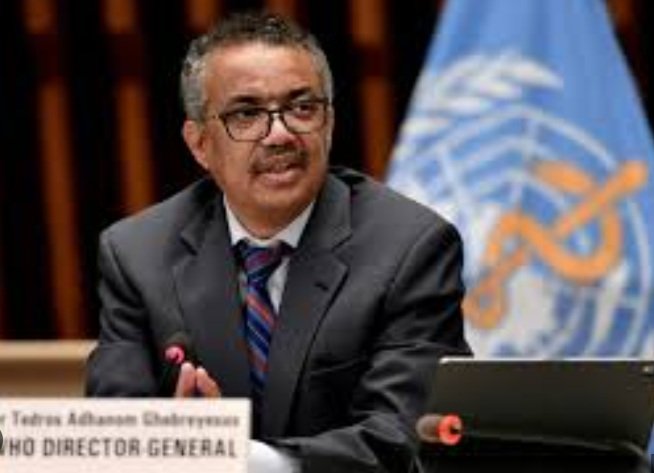
WHO Director-General Dr. Tedros Adhanom Ghebreyesus said the first participant has already been enrolled in the trial in the DRC. According to WHO data, 1,400 people in the country have contracted the virus, and 438 have died. At present, there is no approved vaccine or treatment specifically designed to combat the highly contagious Bundibugyo strain of Ebola.
The trial, supported by the WHO, is being conducted through a collaboration involving researchers from the DRC’s National Institute of Biomedical Research, the Institute of Tropical Medicine in Belgium, and the University of Oxford in the United Kingdom.
Speaking at WHO headquarters in Geneva, Dr. Tedros said, “Clinical trials have started with two treatment options, and the first patient has already been enrolled.”
He added, “Even with treatments that are not yet officially approved, people are recovering from the disease. But if we had safe and effective treatments, we could save more lives.”
The Ebola outbreak affecting the DRC and Uganda began in March 2026. The WHO subsequently declared it a public health emergency of international concern, underscoring the need for a coordinated global response.
As of July 1, 2026, WHO data shows 1,406 confirmed Ebola cases in the DRC, 438 deaths, and 301 suspected cases. The figures highlight the continued impact of the outbreak on affected communities.
In Uganda, 20 cases have been confirmed, including two deaths. One confirmed case has also been reported in France, raising concerns about the potential for cross-border transmission while public health authorities continue monitoring the situation.
Ebola is a viral disease that attacks the body’s organs and immune system. The virus primarily circulates among animals, particularly fruit bats, and can spread to humans through contact with infected animals or contaminated bodily fluids.
People become infectious only after symptoms develop. Symptoms typically appear between two and 21 days after exposure and usually begin suddenly with fever, headache, and severe fatigue, which can resemble illnesses such as influenza or malaria.
Scientists say vaccines and treatments would ultimately need to address all six known Ebola virus species to provide broad protection. However, only three of those strains have so far been responsible for outbreaks in humans.
__
Join our Telegram Channel: t.me/borkena
Like borkena on Facebook
Join the conversation. Follow us on X (formerly Twitter) @zborkena to get the latest Ethiopian news updates regularly. Subscribe to the YouTube channel. To share information or for submission, email info@borkena.com
I am proud of Brother Tedros for his beyond expectation performance as the head chief at WHO. We all wish you continued success.