
Editor’s Note: Views in the article do not necessarily reflect the views of borkena.com
By Eng. Mohamed Ismail
Strategic Investments Require Stability and Public Trust
Recent developments in Ethiopia’s Somali Regional State have raised serious concerns about political tension, public mistrust, and potential security risks that could affect regional stability and major national investment projects. These include the Ogaden oil and gas, LNG, gas-to-power, and related infrastructure development, reported as part of a broader USD 10 billion package of mega projects in the Somali Region. They also include the Gode fertilizer complex, initially announced as a USD 2.5 billion urea production project and later reported to have expanded to more than USD 4 billion in planned investment. The project is expected to produce approximately 3 million metric tons of urea fertilizer annually, making it a strategic investment for Ethiopia’s food security, energy development, and economic transformation.
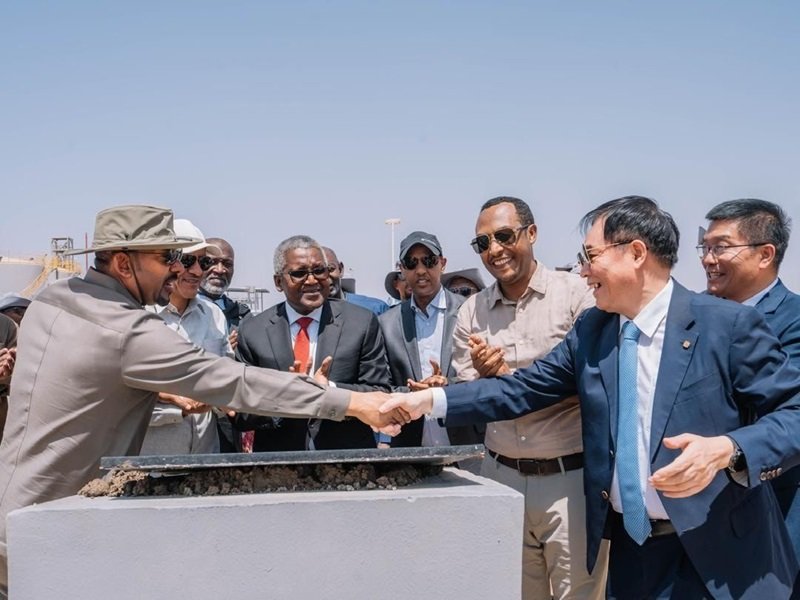
The importance of these projects has been emphasized at the highest level of government. In a statement posted on social media, Prime Minister Dr. Abiy Ahmed confirmed the federal government’s commitment to the region’s development, stating: “All the mega projects we inaugurated today in the Somali Region, collectively valued at USD 10 billion including associated infrastructure, will be carried through to completion, as we have always been committed to finishing what we start.”
This commitment is important and should be welcomed. However, major national investments cannot be protected by infrastructure alone. They require public trust, community confidence, and peace on the ground. The people of the Somali region/Ogaden deserve development, dignity, justice, and security, not a return to fear, collective suspicion, or political manipulation.
Growing Community Grievances and Security Concerns
This is especially challenging when communities in areas such as Shilavo are reportedly suffering from cross-border clan-based incursions and insecurity linked to actors from Somalia, while many local voices believe the regional government has failed to respond with the seriousness and impartiality the situation requires. Critics further argue that the administration has strategically downplayed the concerns of the Ogaden-Absame community, widely regarded as one of the largest and most influential communities in the Somali Region, while fostering internal divisions and mistrust. Such grievances should not be minimized. They must be acknowledged and addressed before they expand into broader hostility that could endanger both community coexistence and Ethiopia’s strategic development agenda.
The Controversy Surrounding the Detention of 62 Youths
These concerns follow reports regarding the detention and transfer of 62 Somali youths from Puntland, Somalia to Ethiopia’s Somali Region. According to various accounts, the youths had been working in the Milxo gold-mining area before being detained in Bosaso and later transferred to the Somali Regional State. Regional officials have stated that the youths were rescued from human trafficking networks. However,
social media accounts associated with the regional administration alleged that they were attempting to travel to Eritrea to join a renewed armed movement linked to the Ogaden National Liberation Front (ONLF). These competing claims have generated anger, fear, and confusion among Somalis in the region and across the diaspora.
The ONLF Question and Political Miscalculations
The ONLF signed a peace agreement in Asmara with the Ethiopian government following the political reforms introduced under Prime Minister Dr. Abiy Ahmed. That agreement created an important opportunity to move beyond decades of confrontation and toward dialogue, reconciliation, and political participation. However, critics argue that tensions between the ONLF and the Somali Regional administration have deepened in recent years.
Some observers claim that the administration led by President Mustafe Omer has contributed to internal divisions within the ONLF and has viewed those divisions through the narrow lens of political advantage rather than long-term peacebuilding. Critics further argue that the regional government is underestimating the ONLF, a movement with more than three decades of armed struggle, political mobilization, and deep community roots. They warn that mishandling the ONLF issue could create opportunities for forces
opposed to the aspirations of the Somali people and to the broader vision of a peaceful, stable, and prosperous Ethiopia.
This long-running political tension has also reportedly pushed some prominent ONLF figures outside the country. Critics point to the case of Dr. Abdirahman Mahdi, one of the founding figures of the ONLF, who signed the peace agreement as the organization’s Secretary General and was later elected by the party’s central committee in Gode City as ONLF Chairperson, November 2019, replacing the longtime leader and founding member, Admiral Mohamed Omer Osman. Dr. Abdirahman Mahdi was recently seen participating in a meeting held in Port Sudan, where political opponents of Ethiopia reportedly gathered in mid-May of this year.
Some critics also allege that the regional administration has shared misleading information with the federal government regarding the ONLF, community grievances, and recent detentions. Reports of detentions, including the transfer of 62 youths and other alleged arrests linked to political suspicion and specific clan targeting, have increased fear among families and communities.
These claims should not be dismissed or politicized. They require transparency, due process, and an independent investigation. The federal government must ensure that legitimate security concerns are handled responsibly, while also protecting the rights, dignity, and trust of communities in the Somali Region. Lasting peace cannot be built through suspicion, division, or selective narratives. It requires honest engagement, accountable leadership, and a clear commitment to reconciliation.
Allegations of Political Division and Exclusion
President Mustafe Omer’s administration has also faced accusations from political opponents who claim it has fostered division and weakened trust among communities, particularly within the Ogaden community, from which he himself comes.
Critics allege that his administration has adopted elements of the old TPLF-led EPRDF strategy of dividing Somali politics between Ogaden and non-Ogaden constituencies. They argue that this approach resembles past political engineering, including the formation of the Ethiopian Somali Democratic League (ESDL) and
splinter groups from the Ogaden National Liberation Front (ONLF), which were later brought together in 1998 to form the Ethiopian Somali People’s Democratic Party (ESPDP). The ESPDP went on to govern the Somali Region as part of the Ethiopian People’s Revolutionary Democratic Front (EPRDF) coalition.
According to critics, the current administration has pushed this divisive approach even further by creating internal divisions within the Ogaden community itself. They warn that such political maneuvering risks weakening community cohesion, undermining confidence in regional leadership, and deepening mistrust at a time when unity, justice, and stability are urgently needed. If left unaddressed, these divisions could fuel resentment, hatred, and hostility among communities, creating serious political and security risks for the region.
Critics also point to controversies involving diplomats and federal officials within the Prosperity Party who were candidates or potential political rivals. They allege that some were prevented during election campaign periods from freely meeting communities and visiting areas connected to their political base, including Wardheer, Fiiq, Gode, and Qabribayax districts. For opponents of the administration, these incidents reflected a broader pattern of political exclusion and fear of potential rivals.
Governance, Accountability, and Public Perception
In addition, critics allege that President Mustafe Omer has surrounded his leadership with a narrow circle of cabinet members and loyalists, including individuals reportedly connected to NGOs circles, Nairobi based networks, and Somalia’s older political environment. Some opponents accuse this circle of corruption and claim that public resources have been transferred abroad, where many of their families reportedly reside. These allegations remain unverified, but they have contributed to public distrust and deserve responsible examination through lawful and transparent institutions.
Supporters of President Mustafe Omer reject these accusations and point instead to improvements in security, governance, service delivery, and development across the region. They argue that the administration has worked to stabilize a region that suffered deeply under previous governments.
Risks to Peace and Strategic Development Projects
Still, many residents fear that the Somali Region could return to the politics of mistrust, confrontation, and polarization that once defined the Ogaden conflict. Prime Minister Abiy Ahmed’s reforms initially created hope by opening political space for communities that had long felt excluded from national decision-making. However, some grassroots communities now believe that the federal government is not paying enough attention to realities on the ground.
The Somali Region occupies a vital place in Ethiopia’s economic future and supports the ambition of the more than 130 million Ethiopians living landlocked. Major investments in energy, fertilizer production, transport, and infrastructure can transform livelihoods and contribute to national development. But such projects cannot succeed in an environment where communities feel marginalized, criminalized, excluded, or ignored.
A call for federal engagement, protection, impartial governance, and a clear federal understanding of the risks facing the region is urgently needed.
Conclusion: Protecting Peace, Trust, and Development
At a time when the Somali people are thirsty for recovery, dignity, and hope, mishandling sensitive political dynamics in the Somali Region could weaken both local confidence and national progress. Importing the 4.5 clan-division model from fragile Somalia, or using collapsed-state politics as a reference point for governance, risks deepening mistrust and undermining the social cohesion that the region urgently needs.
Such mismanagement could also place major national investments at risk, including the Ogaden oil and gas development, LNG and power-generation infrastructure, the Gode fertilizer project, and other strategic projects that depend on community trust, local stability, and responsible governance.
The Somali Region does not need a return to confrontation. It needs justice, dialogue, accountable leadership, inclusive governance, and development rooted in the trust and participation of its people. The federal government has both a national responsibility and a historic opportunity to prevent mistrust from becoming instability, to protect peace before tensions grow wider, and to ensure that development in the Somali Region serves the people, strengthens Ethiopia, and protects the promise of peace.
Eng. Mohamed Ismail, Founder and Executive Director of the Minnesota Institute of Horn of Africa Studies, on recent developments in Ethiopia’s Somali Regional State and growing security concerns facing the region.
Editor’s Note: Views in the article do not necessarily reflect the views of borkena.com
__
Join our Telegram Channel: t.me/borkena
Like borkena on Facebook
To submit a press release, send the submission to info@borkena.com
Add your business to Ethiopian Business Listing / Ethiopian Business Directory
Join the conversation. Follow us on X (formerly Twitter) @zborkena to get the latest Ethiopian news updates regularly.
To Support Borkena : https://borkena.com/subscribe-borkena/—one- time support or small monthly options available. Inquire information about it : info@borkena.com