
ETHDefenders
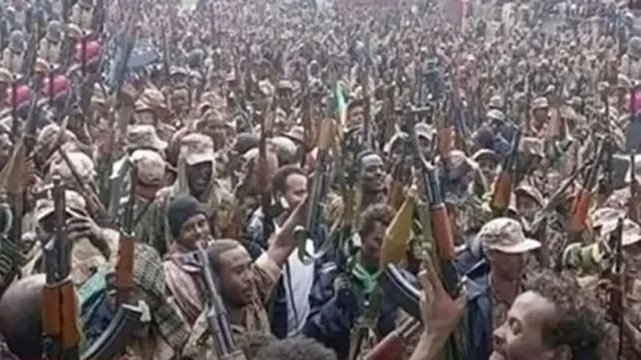
After two years of internal struggle and resistance, Fano has taken a decisive step forward. The movement, which has been fighting against the regime of Prime Minister Abiy Ahmed since the end of the war, has officially announced its unity and selected a central leader—marking a pivotal moment in Ethiopia’s ongoing political crisis.
For many Ethiopians, this development represents more than an organizational milestone. It is a long-awaited sign of coherence and direction within a resistance movement that has come to symbolize defiance against what critics describe as an authoritarian and exclusionary government. The announcement has been met with widespread relief and renewed optimism among communities who have endured violence, displacement, and political repression.
Fano emerged as a grassroots resistance force, largely driven by youth and local self-defense groups. However, internal fragmentation and the absence of unified leadership had long weakened its effectiveness. The newly declared unity addresses these challenges, presenting a more coordinated front both militarily and politically.
Supporters say this unification reflects the will of the Ethiopian people, particularly those who have demanded a collective national struggle rather than divided regional resistance. Social media and diaspora communities have echoed sentiments of joy and pride, describing the moment as the “unity of the children of freedom fighters.”
With a clear leadership structure now in place, expectations are rising. Many hope Fano’s unity will translate into stronger protection for civilians, clearer political objectives, and increased pressure for genuine national dialogue and democratic change.
While Ethiopia’s future remains uncertain, Fano’s announcement has undeniably shifted the political atmosphere. For a population exhausted by war and repression, unity has become synonymous with hope—and for the first time in years, many Ethiopians believe freedom may no longer be a distant dream.
Editor’s Note : Views in the article do not necessarily reflect the views of borkena.com
__
Support Borkena : https://borkena.com/subscribe-borkena/
Join our Telegram Channel : t.me/borkena
Like borkena on Facebook
Borkena Ethiopian News Youtube Channel
To submit Press Release, send submission to info@borkena.com
Add your business to Ethiopian Business Listing / Ethiopian Business Directory
Join the conversation. Follow us on X (Formerly Twitter) @zborkena to get the latest Ethiopian News updates regularly.
Fano has many political and organizational shortcomings to administer his own localities let alone Ethiopia. To me Abey Ahmed acquired more dramatic acting skills than Zemene Kassie who has a local ” honey trader ” persona from ” Gojam Berenda ” in Addis
The people of Amhara have no choice but to fight for their own survival first, and then rescue Ethiopia from the EPRDF – PP ethnocentric political system. The Amharas must fight and restore their honor and pride. The Amharas must use violence and mob actions in their struggle for survival. The Amharas must create alliance with Eritrea. The Amharas must know that, if things go wrong, Assab and Massawa are the only connections to the Red Sea for global trade. Defending the interest of Eritrea must be part of the Amhara struggle for survival. The Amharas must recapture and restore all lands taken from them by the Tigrians and the Oromos. Through a unified effort, the Amharas and the Eritreans can force the Tigrians to change their political ideology. The Amharas need to invite the people of Afar to join the Amhara struggle for survival. The Amharas must have a good working relationship with Sudan and Egypt. The Amharas must know that the only language the Oromos understand is force and force only. The Oromo regime of Abiy Ahmed is characterized by power through Ethnic allegiance, and governance through intimidation and terror. The Oromo Clan is a very cohesive Ethnic group. Oromos are savages, and the Amharas must prepare themselves for a long war with savages. The Amharas must reject all negotiations that doesn’t include the formation of a transitional government.
– Death is better than humiliation.
– Enemy never rests
Danger never sleeps