
Editor’s Note : Views in the article do not necessarily reflect the views of borkena.com
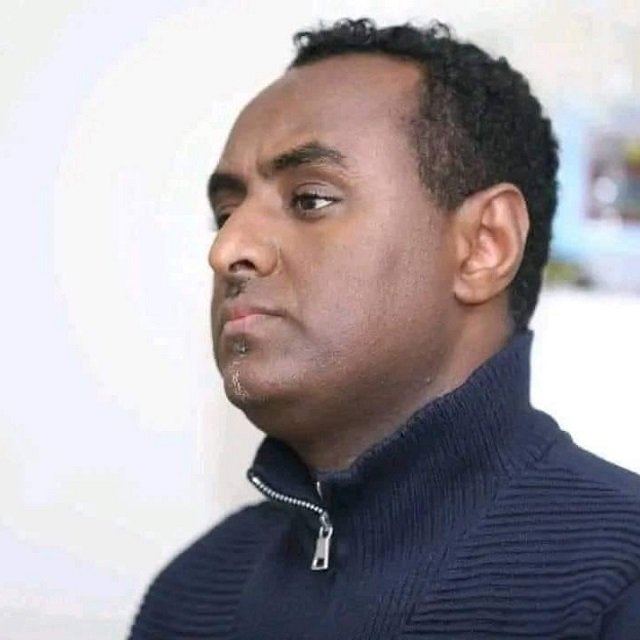
Mekuria
The Rise of a Voice Against Power
When Ethio 360 burst onto the scene in 2019, it gave Ethiopians a rare space for fearless reporting. At a time when almost the entire diaspora ane elites inside Ethiopia were siding with Abiy Ahmed, believing he was a reformer and symbol of change, a few courageous voices saw through the illusion.
Inside Ethiopia, fearless figures like Eskinder Nega, Sintayehu Chekol, and Tadios Tantu were already challenging the system. In the diaspora, Habtamu Ayalew and his co-workers — Eyerusalem Tekletsadik, Minalachew Simachew, Liyu, Biruk Yiba, and Yidnekachew — worked tirelessly to expose Abiy Ahmed as an impostor, not a change agent.
They broke away from ESAT, which had chosen to side with Abiy, established Ethio 360 and took on the unthinkable task of criticizing him at a time when doing so was considered treasonous.
For three relentless years, their work changed minds. Gradually, both Ethiopians at home and in the diaspora began to see the truth about Abiy Ahmed and his project—what it meant for Ethiopia’s unity and for the Amhara people in particular.
At the center stood Habtamu Ayalew, a journalist who spoke boldly when others hesitated. His sharp commentaries exposed the regime’s hidden agenda to dismantle the Amhara Special Forces and disarm Fano, turning him into a hero of the Amhara media awakening in April 2023.
His leadership helped transform Ethio 360 from a talk show into a symbol of resistance. Many saw in him not just a journalist, but a revolutionary voice for truth.
From Leadership to Domination
Over time, however, leadership hardened into domination. Viewers noticed that discussions once filled with balanced debate became one-man monologues. Habtamu often spoke for hours while moderators struggled to participate. When they tried, his reactions—impatience, anger, or scorn—made it clear who controlled the microphone.
This was visible to the public, yet many refrained from criticizing him, believing that confronting Abiy’s government outweighed addressing internal issues. Inside the program, colleagues describe an atmosphere of tension and fear, where questioning him risked exclusion. The messenger who once fought dictatorship began to resemble it in tone and method.
A Team in Revolt
The situation has now reached open revolt. Five Ethio 360 journalists have voiced serious complaints about Habtamu’s domination and his alleged use of network resources for a covert media operation—Ethio Segenet. They say he dismissed Eyerusalem Tekletsadik and labeled Liyu as non-Amhara, actions that shocked many supporters.
It is now clear that nearly all current members oppose Habtamu’s control, yet he continues to claim personal ownership of Ethio 360’s legacy — a claim that contradicts both its collective origins and public mission.
Identity Politics and Double Standards
If true, Habtamu’s attack on Liyu’s identity is especially troubling. Liyu, who is half Amhara, has every right to stand for the Amhara cause. She was active on ESAT long before Abiy’s rise, speaking out against dictatorship. Similarly, Biruk Yibas has served tirelessly—day and night—supporting Amhara rights regardless of ethnicity and never interfering in Fano’s internal matters.
To discredit such individuals over lineage is divisive and unprincipled. It betrays the inclusive spirit that once defined the Amhara movement.
Dragging Fano and Eskinder into a Media Feud
Both camps—Habtamu’s and Eyerusalem’s—have lately invoked Fano and Eskinder Nega to gain sympathy in their quarrel. This must stop. Fano’s struggle belongs to the people, not to rival media personalities. Turning that sacred name into ammunition for internal disputes cheapens the movement and strengthens those working to dismantle Amhara unity.
Lately, Habtamu Ayalew has interfered in the internal affairs of አፋህድ, discrediting members such as Mesfin and Geta Asrade by labeling them as pro-ብአዴን. Such actions have turned him into more of a liability than an asset, sowing discord among Fano fighters rather than supporting their cause. This must stop. Habtamu needs to refocus on his journalistic responsibilities, maintaining the integrity and independence that once made his reporting credible and impactful.
Setting the Record Straight
Eyerusalem’s counterattack has also crossed lines. Branding Habtamu an ANDM or EPRDF man is misleading. The truth is that he worked briefly—about one year—within the EPRDF youth wing more than two decades ago, then left after recognizing its flaws. He later joined the Andinet Party, served honorably as its public-relations officer, and even suffered imprisonment for his convictions. His past sacrifice deserves acknowledgment, not distortion.
On the other hand, Habtamu also erred when he criticized Liyu for not being Amhara, despite having worked with her for over five years, fully aware of her background.
The Collapse of Ethio 360’s Moral Center
Today, Ethio 360 stands at a crossroads. The channel that once gave voice to a silenced nation now echoes with internal accusations. Control has replaced cooperation, and character attacks have replaced truth-telling. What began as a platform for unity risks ending as a monument to ego.
If Ethio 360 collapses, it will not be Habtamu or Eyerusalem who suffer most—it will be the Amhara audience, who once believed truth could still be spoken freely.
When the Messenger Overshadows the Message
Habtamu Ayalew’s story captures a tragic pattern in Ethiopian activism: when a liberator becomes an owner, when conviction gives way to control, the cause begins to crumble. His courage in challenging Abiy Ahmed’s regime is undeniable, yet his current path risks erasing those very gains.
The Amhara struggle demands humility, unity, and shared purpose—not the politics of exclusion or personal glorification. The legacy of Ethio 360 will endure only if its founders remember this truth:
Conclusion
The unraveling of Ethio 360 has exposed not only Habtamu Ayalew’s growing control, but also how ego, mistrust, and factional politics can corrode a movement once built on truth and courage.
Habtamu must pause, reflect, and remake himself—to rediscover the humility and common sense that once made his voice so compelling. Truth belongs to the people, not to any one man, and the Ethio 360 board cannot remain silent while ethical norms are broken and the organization’s founding principles are disregarded.
No individual—no matter how influential—has the right to single-handedly decide the fate of a collective enterprise or tell fellow journalists to “pack and go.” Ethio 360 is not the property of one person; it belongs to all its founding members and to the public it serves.
If the platform is to survive, it must return to the values that gave it life: shared responsibility, integrity, and service to truth above ego.
It is also no secret that Ethio 360 faces severe financial distress, stemming from Abiy Ahmed’s government blackmail and repeated YouTube restrictions, which have limited its reach and revenue. The burden on the team is immense. If, despite all efforts, these challenges become unmanageable and members choose to go their separate ways, they must do so through dialogue—sharing resources fairly and parting with respect and goodwill.
Only then can the legacy of Ethio 360 endure—not as a story of division, but as a lesson in integrity, humility, and collective strength.
Editor’s Note : Views in the article do not necessarily reflect the views of borkena.com
__
Support Borkena : https://borkena.com/subscribe-borkena/
Borkena Ethiopian News Youtube Channel
Join our Telegram Channel : t.me/borkena
Like borkena on Facebook
To submit Press Release, send submission to info@borkena.com
Add your business to Ethiopian Business Listing / Ethiopian Business Directory
Join the conversation. Follow us on X (Formerly Twitter) @zborkena to get the latest Ethiopian News updates regularly.
Was he the same person who came here on medical emergency visa for swollen fintita? I may be wrong but the name chimes with me.