 - Amsal Woreta)
Amsal Woreta
Updated on October 9, 2025 AT 12:15 A.M. Toronto Time
Ethiopia often regarded as the cradle of humanity, faces a serious struggle in the modern era. The country, with its deep history linking back to the origins of humankind and a vibrant heritage filled with ancient customs, is stuck in repeated conflicts and divisions. These conflicts do not happen by accident. They follow patterns tied to the system of ethnic federalism. This political setup was intended to address past mistakes, but now it risks breaking apart the very nation it aimed to strengthen. This article takes a comparative path looking to unusual sources for insight. It examines Ecuador’s effort to foster unity within its incredible biodiversity, Darwin’s classic views on how species adapt in the Galápagos, the powerful symbolism tied to the Equator, the tale of humanity’s early migration from Africa, and the differing colonial histories across the Americas. Bringing these different lines of thought together, one thing becomes clear: Ethiopia’s stability as a country needs a big change. The current ethnic federalism model, which divides, must give way to an inclusive system based on shared citizenship. For a country on the edge, unity is not just a political option. It is the core need for survival.
1. Introduction: The Struggle for Ethiopia’s Soul
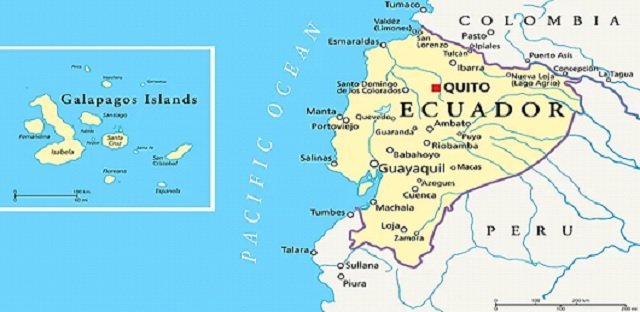
After visiting Ecuador and the Galápagos Islands, the landscapes grabbed my attention right away. The tall Andes mountains slicing into the sky, rivers cutting through thick cloud forests, and the bright Pacific coastline made a lasting impression on me. But it wasn’t just the natural beauty that stuck with me. What stood out even more was how people respected these shared places and treated each other with care. In Ecuador’s busy towns and large cities, you see this lively mix of people and stories come together every day. Ecuadorians come from many backgrounds. They include Spanish colonists’ descendants, Afro-Ecuadorians Indigenous groups in the highlands and Amazon, along with newer arrivals from Asia and the Middle East. These people don’t stay in separate groups. They live, trade, work, and share ideas as part of one connected community. In these areas, people do not divide themselves by ethnic backgrounds. They do not assume their neighbors are foes because of family history. Civil war has not broken apart families in recent memory. What struck me most was not the breathtaking variety in nature, but also the way people live together. They see human differences as an everyday part of life that adds value, not as something dangerous that needs controlling.
This idea of practical togetherness brought my mind back to Ethiopia. I felt both pride and sadness for my birthplace, often called the cradle of humanity. Ethiopia’s past stretches further and runs deeper than Ecuador’s. It is the home where Homo sapiens, our earliest ancestors first lived and the starting point where humanity began its journey around the world. Ancient civilizations like Axum flourished here well before many European countries even existed. Moments like the Battle of Adwa in 1896 secured Ethiopia’s role as a symbol of African freedom and independence.
Ethiopia today feels divided. People struggle with a lack of trust in the public sphere, and the nation’s unity seems pushed to its limits. Its political system makes ethnicity the main way of organizing the state, which adds to the tension. A troubling question comes to mind. If Ecuador, with its less extensive history and a more recent colonial past manages to maintain peace among its different groups why does Ethiopia—with its rich heritage stunning landscapes, and remarkable strength—face so much difficulty finding the same harmony?
I think the problem doesn’t come from a lack of character or goodwill among Ethiopians. The issue comes from a missed opportunity to imagine a better political direction. Instead of uniting its vast diversity into a solid civic community modern Ethiopia has been shaped by foreign ideologies and reactions to its imperial history. These influences have turned ethnic differences into a structured system through ethnic federalism. This decision has trapped the country in ongoing mistrust and violent clashes. These cycles now overshadow its proud history and put its greatest accomplishments at serious risk.
This article starts by diving into a paradox. It strengthens its argument through insights from four different comparisons. The first insight looks at Ecuador where people combine biological and cultural diversity treating coexistence as an everyday practice. The second draws from Darwin’s Galápagos studies showing how survival depends on adapting to shifting conditions around us. The third takes inspiration from the equilibrium suggested by the Equator and connects this to the story of humanity leaving Africa pointing to Ethiopia’s role in human history. The last discusses Spanish and Portuguese colonization in the Americas warning against the dangers of control without teamwork.
From examining these issues, it becomes clear that Ethiopia needs to change to thrive in the modern era. The nation must shift from a system of ethnic-based federalism to a citizenship-focused constitution. The sections ahead will dive deeper into this need laying out a structured guide to build a lasting peace that matters.
- Biodiversity, Resilience, and Living Together
Ecuador’s environment is among the most diverse in the world. It includes the Andes mountains, the Amazon jungle coastal lowlands, and the one-of-a-kind ecosystem of the Galápagos Islands. This mix of habitats acts as a real-world example to explain how organisms adapt over time. In the Galápagos, Darwin noticed that even small environmental differences caused big changes in how species evolved. Finches developed different beak shapes to eat specific types of food. Tortoises grew shells tailored to the plants found on their islands—some had saddle-shaped shells to reach taller plants while others had dome-shaped shells suited for munching on shorter ones. Marine iguanas gained glands that let them get rid of salt enabling them to dive into the ocean to feed on algae.
Nature provides a strong example of how social and political systems can work. Systems survive when their parts adjust to local needs and obstacles without breaking the overall structure. Finches did not turn into a different species; they changed while staying within their larger group. This idea of adjusting while staying unified is key to staying strong over time. within their larger group. This idea of adjusting while staying unified is key to staying strong over time.



Ecuador’s people reflect its natural variety. The population consists of several Indigenous nations, Afro-Ecuadorians, mestizos, and newer immigrant groups. These communities’ function under a constitutional system that focuses on citizenship and acknowledges the country’s diverse and multi-ethnic identity. Though the system isn’t perfect, like inequality and discrimination still exist—it uses national institutions like elections, social programs, and courts to manage conflicts instead of relying on violence or territorial disagreements.
This focus on civic inclusion shows up in daily activities. Cities such as Quito and Guayaquil have communities mixed instead of being divided by ethnic groups. In busy spots like the well-known Otavalo market Indigenous craftspeople, mestizo traders, and travelers from around the world rely on each other through a web of shared economy. Dependence on public services like roads, hospitals, and schools’ forces people to cooperate. It represents a way of governing that sees diversity as a normal part of life in the country rather than as an ongoing danger.
2.1 Shifting from Marginalization to a Plurinational State
Ecuador did not arrive at this model by chance; to address the issue, the country excluded its significant Indigenous population for hundreds of years much like other nations in Latin America. A powerful mestizo ruling class defined Ecuador’s political and cultural identity pushing a narrow and unified idea of what being Ecuadorian meant.

This shift happened when Indigenous groups the Confederation of Indigenous Nationalities of Ecuador, or CONAIE began their determined and organized activism. Founded in 1986, CONAIE worked for years with protests political efforts, and intellectual activities to question the state’s exclusionary story and push Ecuador to acknowledge its true diversity. Their efforts led to the groundbreaking 2008 Constitution, which recognized Ecuador as a plurinational state.
Plurinational is an important idea. It accepts that many “nations “unique ethnic and cultural groups with their own languages, traditions, and histories—can live together within one country. It differs from ethnic federalism, which breaks areas into self-governing ethnic regions. Plurinational works to bring this diversity into the country’s political and legal systems. This happens in specifically clear ways:
- Indigenous Justice is Recognized: The Constitution approves Indigenous justice systems letting communities settle internal issues through their cultural traditions if they stay within the limits of the national constitution.
2. 2 A Lesson in Cultural Adaptation: The Bizcochos of Cayambe
Ecuador’s daily life shows how people turn past traditions into ways to bring communities together going beyond just what laws dictate. The highland town of Cayambe offers a great example with its bizcochos, crispy biscuits that date back to colonial days and have become famous worldwide.
Instead of dismissing them as symbols of conquest, the people in Cayambe turned bizcochos into a mark of their culture and economic strength. Almost every household loves them now, and streets are filled with bakeries. Travelers from all over Ecuador and even other countries come to Cayambe to eat bizcochos served with fresh cheese and hot chocolate. Once forced upon them during colonial times, these treats have turned into a cherished tradition, a growing business, and proof of their ability to adapt.

This story shows how people in Ecuador turn difficult histories into strengths. Cayambe reveals that unity grows not from wiping out the past but from molding it into a collective culture. Ethiopia still dealing with the effects of ethnic federalism, might learn something here. Blending and adapting can create more progress than dividing and discarding.
2.3 A Unique Challenge: Striving for Inclusion Without Shared Civic Space
To better understand Ethiopia’s situation, drawing one more comparison helps. The Spanish and Portuguese empires took control of the Americas through violent conquests. They relied on superior weapons and the spread of deadly diseases to dominate. These empires crushed, removed, or absorbed the governing systems and cultures of Indigenous peoples. What came after was a society built on rigid hierarchies. The long fight for equality has centered on getting acknowledgment and rights for oppressed groups in states that were never created with them in mind.
Ethiopia’s past took a unique course. The modern state came together through a mix of growth, partnerships, and compromises. It often brought in different groups but did not erase their local leaders or traditions. The issue today is not about dealing with the remnants of extinct groups. It is about leading communities that are alive and aware and have strong unique identities. Avoiding full suppression in the past gave Ethiopia an edge, but now it presents a challenge. The task is to bring together many rich histories into one shared civic framework without having a unified civic belief system to start with. Ethnic federalism tried to address this issue, but instead of fixing the problem, it made it worse by creating strict and competing political divisions.
- Core Ideas to Build Unity
Ethiopia needs to move past quick political solutions and base its changes on broader lasting principles. Ideas like the Equator and facts about human migration and change can provide a meaningful way to picture a more connected future.
3.1 Balancing in the Middle: The Equator and Ethiopia
The Equator might be imaginary, but it holds physical and symbolic meaning. It marks the middle ground where Earth’s two hemispheres come together creating a unique balance shaped by gravitational and rotational forces. At Ecuador’s “Mitad del Mundo” monument, guides show this balance by doing things like standing an egg upright on a nail.
Ethiopia is often called the cradle of humanity, and it carries deep importance as a starting point for humankind. Today, it faces the difficult task of achieving its own political balance. It must find a way to stop the pull of ethnic differences from breaking the nation apart while creating a civic and constitutional harmony.
The idea is simple: countries do well and endure when institutions that bring people together, like shared laws economic goals, and symbols that include everyone—outweigh those that split them apart such as ethnic divides or divisive histories that blame others. Ethiopia needs to adjust its constitution to focus more on the collective identity of its people instead of prioritizing the separate “nations and nationalities,” but it must still protect local cultures and self-governance.
3.2 Shifting from Biology to Civic Identity: Darwin, Migration, and Survival
Human history is full of examples of adaptation. Fossils from Ethiopia’s Rift Valley reveal that the first humans lived and changed there over time. The massive “Out of Africa” migration that happened 60,000 to 80,000 years ago showed how humans could adjust to challenges. As groups of Homo sapiens moved across the world, they faced harsh environments like icy tundra’s scorching deserts, and dense rainforests. They found ways to survive by creating better tools and fresh hunting methods. More, they built new ways to connect with each other through things like advanced language, family structures, and trade systems, all of which helped them work together in larger groups.
This journey from biology to politics reveals an important idea. The connection between Darwin’s theories and modern nation-building emerges in the idea of surviving through changing institutions. To survive, Ethiopia must redesign the political rules that shape identity and power. The country needs systems where its many differences become strengths instead of causes of conflict. Biological evolution sharpens physical features like lungs breathe air or beaks to crack seeds. Social evolution improves institutional features like laws, voting systems, and land rights. Societies that do not adjust their systems to handle new challenges risk collapse, the political version of extinction.
- The Path Ahead: Principles to Build a Peaceful Future
Moving from ethnic federalism to a model that revolves around citizenship calls for a solid and thoughtful plan. This shift isn’t about wiping out individual identities but about building a system where those identities coexist and grow without conflict. A set of guiding principles can help outline the path to reform both the constitution and existing institutions.
4.1 Constitutional Structure: From Ethnic Fragmentation to National Cohesion
A constitution serves as the backbone of a nation setting the tone for all political dealings that follow. Ethiopia’s constitution needs to focus on its citizens to strengthen unity.
- Focus on citizenship first. Rewrite important parts of the constitution, like the preamble and sovereignty sections, to state that “the Ethiopian people” as a whole hold sovereignty. This removes the current focus on “nations, nationalities, and peoples.”
- Move away from ethnic divisions. Redraw subnational borders using practical factors like geography key population hubs, and economic areas instead of ethnicity. This separates administration from ethnic identity and lowers disputes over territorial lines.
- Guarantee rights that can be upheld. Create a national bill of rights to protect both individual freedoms and shared cultural and language rights. A strong independent court system must support this holding the authority to review the constitution and defend all minority groups in the country.
4.2 Sharing Power Without Ethnic Barriers
A stable government needs ways to share power that promote working together across identities instead of fueling rivalry between them.
- Redesign the two-chamber system. Keep the legislature divided into two parts. Let the lower house reflect the population by equal voting power. Structure the upper house to represent outlined regions not tied to ethnicity. This setup ensures balance and avoids turning it into a hotspot for ethnic disputes.
- Create incentives to cooperate during elections. Use vote-pooling methods like ranked-choice voting or alternative vote systems. These require candidates to gain second or third preferences from voters outside their primary supporters promoting moderation and alliances across groups. Set up clear fiscal federalism rules. Use a defined formula to share revenue relying on straightforward factors like population, poverty, and development needs. This approach can change the current ethnic rivalry over federal funds into a process people can trust and predict.
4.3 Building Frameworks to Manage Conflicts
The country’s long history of disputes makes it crucial to set up strong and impartial systems to prevent and resolve conflicts.
- From independent commissions. Build unbiased commissions to handle border disputes and oversee elections. Hire skilled professionals and civic leaders instead of political figures to win public confidence.
- Introduce early mediation. Require a national mediation service and local peace groups to step in and handle disputes early, stopping them from turning into violent clashes.
- Tie data systems to action plans. Create an early warning setup that connects information about hate speech, displacement, and militia actions to quick-response strategies to defend civilians.
4.4 Language, Education, and Mobility
National identity takes shape in school’s public areas, and through the movement of people across the nation.
- Create a policy to teach multiple languages. Make sure young students learn in their native language to keep cultural identity intact. Introducing a common national language and a global one later to improve communication and allow people to move more freely.
- Plan lessons to bring unity. Build a school program that highlights Ethiopia’s shared constitutional story alongside the unique histories and traditions of its different regions and communities.
- Uphold the freedom to settle and work anywhere. Federal and regional leaders should ensure that citizens can live, work, and own property in any area of the country without restrictions.
4.5 Transitional Justice and Social Repair
Taking steps toward progress means confronting past harms and creating systems to stop them from happening again.
- Combine truth-sharing with accountability. Set up a transitional justice plan that ties conditional amnesty to public truth-sharing and includes reparations to support victims of political violence. Emphasize healing for both individuals and communities.
- Prioritize institutional changes. Prevent future abuses by restructuring the security sector and training local and regional governments to deliver services without political bias.
4.6 Growth as a Benefit of Peace
Shared economic growth can unite people by fostering interdependence, which can make conflict too expensive.
- Build connective infrastructure. Focus on creating projects like roads, railways, and energy grids that bring regions closer together. These efforts can boost both physical and financial ties leading to mutual advantages.
- Encourage local jobs across regions. Launch public works projects that hire lots of workers in different areas. This gives young people real job opportunities instead of pushing them toward militias.
- Use the diaspora to build unity. Design investment plans that motivate the diaspora to fund projects spanning multiple regions and ethnic communities. Avoid limiting development to one group alone.
- Final Note: Adjust to thrive, unite to grow.
Finches make their homes and flourish on the Galápagos volcanic islands. In Ethiopia, farmers cut terraces into the sharp highlands to keep going. One message repeat: flexible systems last. Ecuador highlights how social diversity strengthens when individuals feel connected through citizenship. The history of Iberian Americas offers a warning—trying to rule without real collaboration splits societies. Ethiopia’s deep past shows that uniting groups does not work. Without creating a shared civic foundation, conflicts continue.
The work ahead isn’t about forcing sameness or wishing for some idealized past that didn’t happen. Instead, efforts need to move toward changing the constitutional and cultural systems of the country. Citizenship must become the primary political identity. People should treat human diversity as something important and useful. Systems need to be rebuilt so violence no longer works to gain control. In a messy and unpredictable world, this isn’t a lofty dream but a must-have strategy to hold the nation together.
Transforming a nation through a new framework presents formidable challenges, demands political courage and navigates complex historical tensions. The first part explained the ideas behind it. The second part will focuses on real steps, a clear and practical plan to fit within the limits of the real world while pushing for real progress to unite the nation.
Editor’s Note : Views in the article do not necessarily reflect the views of borkena.com
__
Support Borkena : https://borkena.com/subscribe-borkena/
Join our Telegram Channel : t.me/borkena
Like borkena on Facebook
To submit Press Release, send submission to info@borkena.com
Add your business to Ethiopian Business Listing / Ethiopian Business Directory
Join the conversation. Follow us on X (Formerly Twitter) @zborkena to get the latest Ethiopian News updates regularly.
Ethiopia’s systemic political paradox are these: The ruling political class thrives and survive on Ethincs politics as one varieties of plant survive in Ecuadorian land scape and environment. Is there any political Fungus to eradicate this poisonous plant emerging as a bio diversified plant, some intellectuals hulucinates that “FANO ” is the new plant which is a rural armed ethinic war lord.