
Editor’s Note : Views in the article do not necessarily reflect the views of borkena.com
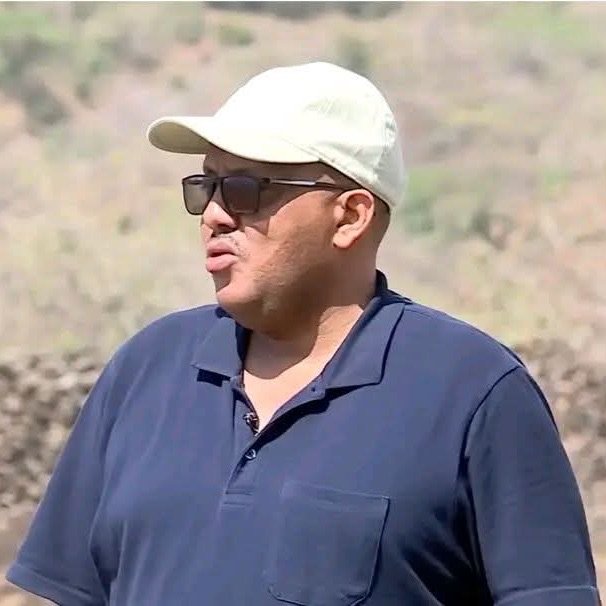
Addisalem Belay
Getachew Reda’s Shamefull Speach at the launch of Prime Minister Abiy Ahmed’s book *The Medemer State*
Getachew Reda’s recent political trajectory has indeed been marked by a series of controversial moves that have alienated him from the very people he once represented.
Perhaps the most glaring example of this was his **shameful speech at the launch of Prime Minister Abiy Ahmed’s book *The Medemer State***.
For many Tigrayans, this was the moment that confirmed his complete departure from the Tigrayan cause and his alignment with a federal government that had presided over one of the most devastating wars in the region’s modern history.
The Speech at Abiy Ahmed’s Book Ceremony
At the launch of Abiy Ahmed’s book, Getachew Reda delivered remarks that shocked and angered many of his former supporters. Instead of using the platform to highlight the suffering of Tigrayans, the displacement of millions, or the need for justice and accountability, he chose to **praise Abiy Ahmed’s vision** and endorse the *Medemer* philosophy as a transformative model for Ethiopia’s future.
He described the book as a “profound reflection” on Ethiopia’s past and future, lauding its emphasis on unity, reform, and institutional renewal.
He went further to highlight Addis Ababa’s rapid development as an example of the success of Abiy’s leadership and argued that this model should be extended to the rest of the country. In doing so, he not only ignored the devastation in Tigray but also appeared to validate the very political project that had marginalised and brutalised his people.
For many Tigrayans, this speech was nothing short of betrayal. It represented a **symbolic capitulation**: the once-defiant spokesman of the TPLF standing alongside Abiy Ahmed and offering legitimacy to his political philosophy.
Critics argue that Getachew’s words amounted to a whitewashing of Abiy’s record, particularly given the unresolved humanitarian crisis in Tigray and the lack of accountability for atrocities committed during the war.
Why the Speech Was Seen as Shameful
Silence on Tigray’s Suffering:
At a moment when he could have spoken about famine, displacement, and ongoing insecurity in Tigray, Getachew chose instead to elevate Abiy’s book.
Endorsement of Medemer:
By praising *Medemer*, he aligned himself with a philosophy that many Tigrayans view as a tool of centralisation and suppression of regional autonomy.
Contradiction with His Past Rhetoric:
Only months before, Getachew had been one of the fiercest critics of Abiy, accusing him of authoritarianism and betrayal. His sudden praise was seen as opportunistic and insincere.
Legitimisation of Abiy’s Rule:
In a highly symbolic act, Getachew lent credibility to Abiy’s political project at a time when many Ethiopians, especially Tigrayans, continue to view his leadership as illegitimate.
The Broader Impact
The speech deepened the perception that Getachew had abandoned the Tigrayan cause in favour of personal survival and political relevance in Addis Ababa. It also reinforced the view that his newly formed party, Semeret/TLDP, is less about genuine reform and more about carving out a space for himself and his allies within the federal political order.
As Meron Gebreananaye notes in *Voices from Tigray: Resilience in the Face of Genocide* (2023), the Tigrayan struggle is not only about politics but about survival and dignity.
Against this backdrop, Getachew’s speech was seen as tone-deaf and shameful, a performance that erased the suffering of his people in favour of appeasing the very government they hold responsible for their plight.
Conclusion
Getachew Reda’s speech at Abiy Ahmed’s book ceremony will likely be remembered as a defining moment of political betrayal. By praising *The Medemer State* and Abiy’s leadership, he not only contradicted his past positions but also alienated himself from the Tigrayan people, who continue to endure the consequences of war and neglect.
For many, this speech symbolised the final break between Getachew and the cause he once championed, a moment of shame that confirmed his transformation from a representative of Tigray’s struggle into a political figure seeking accommodation with its adversaries.
Editor’s Note : Views in the article do not necessarily reflect the views of borkena.com
__
Support Borkena : https://borkena.com/subscribe-borkena/
Join our Telegram Channel : t.me/borkena
Like borkena on Facebook
To submit Press Release, send submission to info@borkena.com
Add your business to Ethiopian Business Listing / Ethiopian Business Directory
Join the conversation. Follow us on X (Formerly Twitter) @zborkena to get the latest Ethiopian News updates regularly.
1). Addisalem, I am a huge fan of your – what I named →|| Addis-Alem’s 1-Minute “Amara ‘Fanno’ for Dummies Collection”|| →that I incorporated in my comment above to an article that runs like “Fano Forces… Claim Significant Gain.”
2). ጌታቸው እኮ ጥሩ የትግሬ ሸኔ [ወያኔ] ቃል አቀባይ ነበር:- ለምሳሌ – የትግሬ ሸኔ ኢትዮጵያ ላይ ጦርነት አውጆ – ደብረ ብርሃን ሲቃረብ – ጌታቸውን “ደብረ ብርሃንን ለምን መያዝ ፈለጋችሁ? ለብርዱ በርኖስ ፈልጋችሁ ነው ወይ? ” – ሲሉት – “አይ አይደለም! አቦይ ስብሐት – አንዲት ጠርሙስ እንኳን ሳይተውልን – ውስኪውን ጠራርገው ተምቤን በረሃ ስለ ገቡ ነው” አለ!
3). Addisalem, ‘We Have a Problem’: ጌታቸውን – ከአብይ ጋር ወገነ ብለሽ ከተጣላሽው እማ – እነ ዞምቢ ደብረ ጽዮንን፣ ፈትለ ወርቅን፣ ወዘተ – ጓንታናም ቤይ ልትልክያቸው ነው – ወይስ – በኤም ኪው ሪፐር ድሮን ለታጬሻቸው ነው? በነገራችን ላይ – እነዚሁ አረመኔውች አይደሉም ወይ – ለትግራይ ሕዝብ የሚላከውን ምግብ እና አርዳታ እየዘረፉ የሚቸበችቡት?
እየውልሽ – እኔ እስከማስታውሰው ድረስ – እናቶች ለኢትዮጵያ ሰላም ሲሉ – ትግራይ ድረስ ኼደው ተምበርክከው – እነ ዞምቢ ደብረ ጽዮንን – “ጦርነት ተው!” – ብለው ቢለምኗቸው – እምቢ አሉ!
ይባስ ብሎ- የEthiopian Northern Command ወታደሮች በተኙበት ጨፍጭፈው፣ ማይካድራ ላይ ደግሞ ከ600 አማራ በላይ ጨፍጭፈው፣ ጭራሸ ወደ አዲስ አበባ መገስገስ ጀመሩ! ታድያ – አብይ ጴንጤም ቢሆን – እጁን አጣጥፎ ሊጠብቃቸው ኖሯል? የትግሬ ሸኔ አብይ ላይ የሰራውን ግፍ ተመልከች → youtu.be/Pg3WuF1eXww?t=5
PS: እነ ዞምቢ ደብረ ጽዮን፣ ፈትለ ወርቅ፣ ወዘተ ወደ ሐገራቸው ኤርትራ ተመልሰዋል!
Not only Getachew Reda , but all TPLF high levels political and military cadres have nothing to do with suffering of Tigray people’s. In the name of liberation they manipulated people’s aspirations and suffering as hostages.
My question is this and I want to know what is all about it:
What is the ‘Tigrayan cause’? What makes it so reclusive and exclusive to the noble people of Tigray?
What makes it so unique that it will never be solved or amicably addressed in a united struggle with the rest of the people of that country?
Will that Tigrayan rural and urban dweller continue to suffer unless he/she gets black milk from a purple cow?
What is it? Somebody, I say somebody, please speak up.