
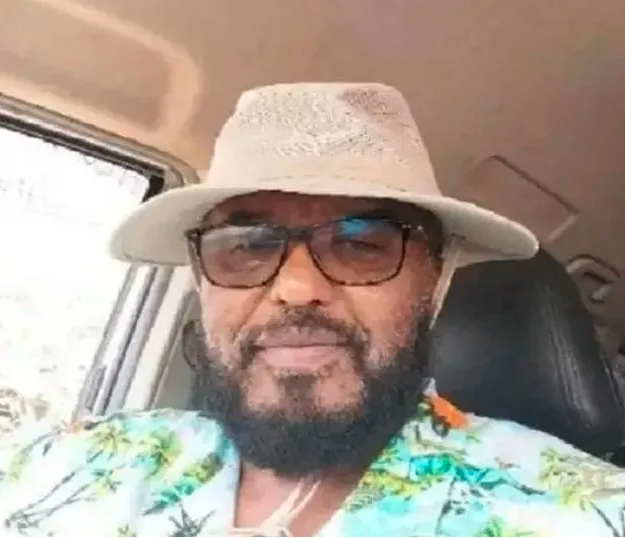
Engineer Abdi Ali Barkhad
Somaliland
The relationship between the Ethiopian government and the Republic of Somaliland has significantly deteriorated since the current government took power. There has been a marked decrease in diplomatic engagement between the two entities, with the situation being particularly notable as it is the first time in recent history that a president of Somaliland has not made an official visit in over nine months. Historically, the two regions have shared a close partnership, often referred to as “sister nations,” collaborating in various aspects including trade, security, and cultural exchanges, primarily due to their shared geopolitical interests.
The current landscape of communication and diplomatic relations between the Ethiopian government and Somaliland is increasingly troubling and fraught with challenges. The absence of open dialogue and cooperative engagement is palpable, with both parties seemingly unwilling to publicly address the pressing issues that divide them. This self-imposed silence perpetuates an atmosphere of uncertainty and tension, thereby exacerbating the already significant rift.
Historical context reveals that during the campaign of the Wadani Party, there was a strong commitment to a Memorandum of Understanding (MOU) designed to bolster cooperation and forge stronger ties between Ethiopia and Somaliland. The leadership of the Wadani Party had unequivocally pledged that upon regaining power, they would focus on implementing the MOU to its fullest extent. However, this commitment has yet to materialize, particularly as the agreement has dissipated from the Ethiopian side amid intensifying political pressures, leaving Somaliland in a precarious position.
The situation is further complicated by the intricate influence exerted by a select group of external advisors who have positioned themselves closely around the Somaliland President. This group includes prominent figures with varying degrees of sway in political circles, and among them, a particularly vocal faction advocates for strengthening ties with the government of Djibouti, which they perceive as their “first brother country.” This preference for Djibouti over Ethiopia stems from a historical relationship and shared cultural ties, imbuing their perspective with a sense of noble intent.
However, this alignment often creates friction with Somaliland’s broader aspirations for self-determination and international recognition as an independent sovereign state. The push for closer diplomatic relations with Djibouti can inadvertently undermine Somaliland’s efforts to assert its identity and secure legitimacy on the world stage.
Additionally, the interplay of these local political dynamics exists within a complex regional landscape, where national interests, historical grievances, and evolving geopolitical alliances further complicate matters. Such a multifaceted environment makes diplomatic negotiations particularly challenging, as the competing priorities and perspectives create a strained backdrop against which Somaliland’s quest for recognition unfolds. This ongoing tension underscores the delicate balancing act required to navigate these competing influences in pursuit of a stable and politically viable future for Somaliland.
Amidst this intricate landscape, the potential for reconciliation may hinge on the involvement of the United Arab Emirates (UAE), which could assume a pivotal role in mediating discussions and bridging the chasm between Ethiopia and Somaliland. Recognizing that Somaliland’s quest for statehood is not solely an internal issue, it is often viewed as critical for the Ethiopian government and the well-being of citizens in both nations. The UAE’s engagement could serve as a catalyst for renewed dialogue, promoting an environment in which both parties might work toward a more cooperative and peaceful coexistence.
Engineer Abdi Ali Barkhad is a senior consultant. He has also studied international diplomacy and is a political analyst and writer known for his detailed commentary on the politics of the Horn of Africa and international relations. He has published numerous articles analysing current policies in the region and is a strong supporter of the cause of the Republic of Somaliland. He can be reached at:tra50526@gmail.com
Editor’s Note : Views in the article do not necessarily reflect the views of borkena.com
Support Borkena : https://borkena.com/subscribe-borkena/
Join our Telegram Channel : t.me/borkena
Like borkena on Facebook
To submit Press Release, send submission to info@borkena.com
Add your business to Ethiopian Business Listing / Ethiopian Business Directory
Join the conversation. Follow us on X (Formerly Twitter) @zborkena to get the latest Ethiopian News updates regularly.