
Editor’s Note : Views in the article do not necessarily reflect the views of borkena.com
Ethio Bona
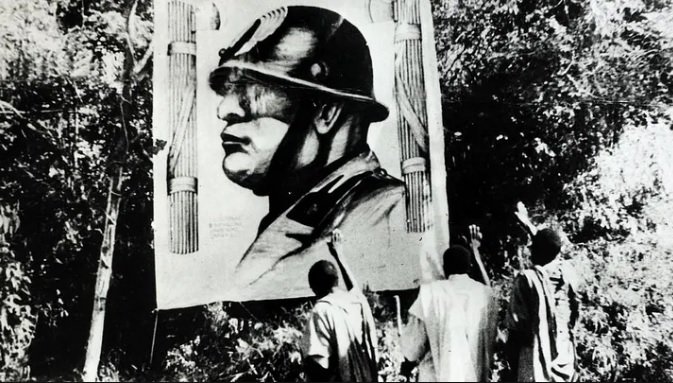
While the article by Habte H attempts to glorify Fano in the Amhara region by drawing parallels with the heroic Arbegnoch resistance against Italian fascism, the comparison is deeply problematic and misleading.
1. Historical Analogy Misapplied
The Arbegnoch were a national resistance movement that fought against a foreign occupier threatening all Ethiopians, uniting people across regions, classes, and ethnicities.
In contrast, Fano’s recent activities largely focus on a specific ethnic region (Amhara), and their struggle has not translated into broad national benefit or unity. Equating them with Arbegnoch exaggerates their significance and moral authority.
2. Questionable Moral Justification
The article frames Fano as “authentic freedom seekers defending dignity and survival.”
Yet, evidence suggests that Fano operations have disrupted civilian life, including blocking education for millions of children and impeding normal day-to-day activities.
The struggle appears self-serving for a narrow group, not a defense of collective rights or national sovereignty.
3. Overlooked Political Fragmentation
The piece hints that a “Fano victory could redraw Ethiopia’s political map” positively, but it ignores the risk of fragmentation, ethnic tension, and instability.
Without a unifying vision or inclusive governance, glorifying Fano risks ethnic chauvinism and division, rather than national progress.
4. Unrealistic External Intervention
The article’s speculation about an “Eritrean-led coalition” intervening is highly controversial and potentially inflammatory, as it implies support for foreign interference in Ethiopia’s internal affairs.
Such statements undermine the credibility of the argument and could encourage destabilizing sentiments.
5. Lack of Evidence of Broader Benefit
The author emphasizes the spiritual and social organization of Fano, yet there is little evidence that this benefits Amhara civilians or other Ethiopian communities.
Comparing them to Arbegnoch, whose actions strengthened national sovereignty, is factually and morally weak.
6. Ethical Concerns
Praising Fano uncritically may normalize armed ethnic mobilization and justify violence against civilians.
The article seems to prioritize ethnic pride over national cohesion, which is dangerous in Ethiopia’s current context.
Conclusion
The article’s main flaw is that it romanticizes a localized, ethnically-centered struggle, drawing parallels with a genuine national liberation movement. In reality, Fano’s actions have not advanced Amhara welfare, nor fostered unity with other Ethiopian peoples. Ethical and historical analysis should recognize the difference between inclusive national resistance and partial, region-specific militancy.
Editor’s Note : Views in the article do not necessarily reflect the views of borkena.com
Support Borkena : https://borkena.com/subscribe-borkena/
Join our Telegram Channel : t.me/borkena
Like borkena on Facebook
To submit Press Release, send submission to info@borkena.com
Add your business to Ethiopian Business Listing / Ethiopian Business Directory
Join the conversation. Follow us on X (Formerly Twitter) @zborkena to get the latest Ethiopian News updates regularly.
The author’s final conclusion is ” Fano can not be a liberation front, it is a rejional Warlords movement resembling ” Zemene Mesafint :