
Editor’s Note : Views in the article do not necessarily reflect the views of borkena.com
Wondemagne Ejigu
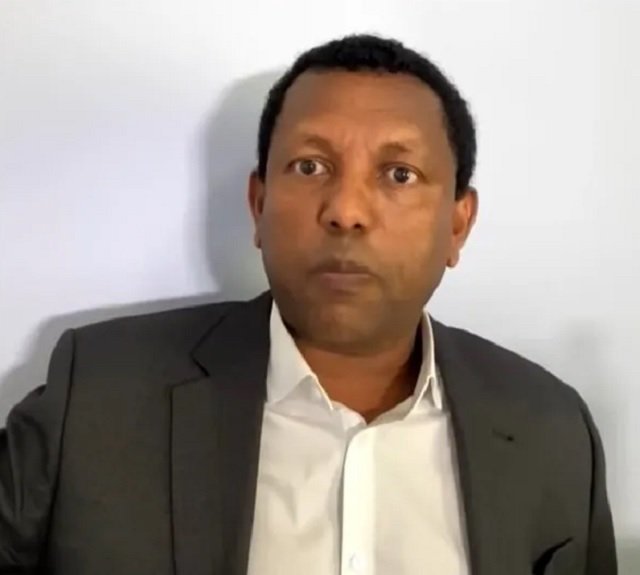
Lidetu Ayalew is a prominent figure in Ethiopian politics, having navigated the complex and often turbulent landscape of the country’s political scene for the past thirty years. What sets Liditu apart from many other full-time politicians is his resourcefulness; he consistently comes up with alternative ideas and is not afraid to share his views. He is a skilled communicator and debater, which further enhances his influence. Additionally, he is an accomplished writer, consistently producing books and articles that position him at the forefront of opinion makers.
Throughout his career, Lidetu has been the target of vicious character assassinations orchestrated by the ruthless predators of Ethiopian politics. Remarkably, he has survived these harsh campaigns and remains active in the political arena, ready for more rounds. His resilience can be largely attributed to his unwavering commitment to sharing his opinions and engaging in debates—traits that serve as his main weapons against his critics and bullies.
However, his strength and resilience have begun to wane since he joined the diaspora political circus, where issues like integrity are often in short supply. His current initiative, called “Abronet,” aimed at forming some sort of political alliance with others, is quite revealing of this shift and, to some, quite disheartening. Liditu claims he is open to criticism, and it remains to be seen how he will handle it moving forward.
The bar is too low!
These days, it is common to see Liditu’s face on every YouTube channel covering Ethiopian politics. Liditu is on a mission to promote his new initiative, “Abronet.” In all his media appearances, Liditu claims that “Abronet” will play a decisive role in shaping Ethiopia’s political future and that it has already garnered widespread support from the public. He even asserts that his initiative could soon trigger massive protests against the current regime. It is difficult to accept the fact that it is Liditu Ayalew himself making these bold claims and rhetoric—claims that seem overly optimistic given his track record. Sadly, it is him—Liditu Ayalew.
How on earth did Liditu make such absurd claims? One might wonder and, out of curiosity, could explore Liditu’s recent interviews. According to Liditu, “Abronet” is successful because it brings together political elites who would otherwise be unable to sit together and reason. The political figures participating in “Abronet”’s online events clearly have conflicting and
irreconcilable agendas. This has been an ongoing challenge in Ethiopian politics for decades. These elites have intentionally promoted political agendas that make alignment impossible, aiming instead to foster emotional attachment within their own constituencies.
Such irresponsible political tactics may boost the popularity of these elites among their supporters, who often lack the capacity to critically evaluate populist political statements or consider alternative views—especially under a dictatorial regime that suppresses open discussion. This combination of factors has left these political elites and their populist agendas at an impasse, with seemingly no way forward.
The real challenge, therefore, is how to address this dead end in the political landscape. As a politician, Liditu is expected to propose solutions to break this deadlock. However, he appears to be acting more like an event organizer, focusing solely on creating a platform—be it a physical space or an online forum—where these politicians, responsible for the deadlock, can sit together and deliver speeches with poker faces, rather than seeking meaningful solutions.
Furthermore, Lidetu claims that his initiative has been a success, citing the number of likes and views on YouTube as evidence. However, this is somewhat absurd; the quantity of likes and views cannot accurately reflect the true success of the content. The general public is currently in a state of hopelessness, largely due to the political deadlock resulting from the irresponsible actions of the political elite. Additionally, the ongoing political struggles against the regime appear to be at a standstill. Given these circumstances, the public may desperately seek solutions. When a prominent figure like Liditu promotes an event, naturally, people are eager to watch in the hope of finding some form of resolution, and this enthusiasm is often reflected in YouTube views and likes. Nonetheless, this does not necessarily mean that the event was successful or that it has garnered genuine public support—unless the person making such claims is dangerously naive.
Having the faces of Mr. Jawar Mohamed and Zemene Kase—both of whom hold conflicting and irreconcilable political agendas—appear on a Zoom meeting alongside outdated political teachings from Mr. Sibhate Nega, the Godfather of TPLF, who is speaking directly from his hospital bed, is considered a success by Lididtu. If that is the case, then Lididtu should understand that his standard of success, the bar, is very low. Instead of engaging in politics, he should consider focusing on event organization. Gathering political elites with opposing and incompatible agendas on a single platform is not what the nation truly needs. What makes this gathering especially dangerous is the false hope it instills in the supporters of these political elites, a hope rooted in the absence of any clear, realistic, or transparent direction among the participants.
What exactly are you up to?
If Liditu and his initiative is serious, then identifying a common goal or agenda is the most critical first step in forming an alliance among political groups that struggle against a regime because it establishes the foundation for unity, coordination, and collective action. Without a shared objective, efforts are likely to be disjointed and ineffective, as each group might pursue different interests or strategies that do not complement each other.
Liditu and the participating political elites should first and foremost reach a consensus behind closed doors. They need to meet, debate, brainstorm, and develop a clear, shared goal or agenda. Achieving this requires honest and sometimes uncomfortable discussions, as well as concessions and the willingness to set aside populist political agendas. It also involves admitting to their supporters that some of their previous pursuits were misguided. This is the true essence of mature politics. Such an approach can certainly be considered a success, and it has the potential to garner unprecedented public support. A well-defined and mutually agreed-upon common agenda demonstrates the following in a genuine political context:
Creates a Unified Vision: A common goal aligns diverse groups under a single purpose, fostering a sense of solidarity and purpose. This shared vision helps in overcoming individual differences and motivates collective efforts.
Facilitates Strategic Coordination: When all groups understand and agree on the core objective, they can better coordinate their actions, resources, and strategies, increasing the likelihood of success against the regime.
Enhances Negotiation Power: A united front with a clear, common goal enhances the bargaining power of the alliance both internally and externally, making it more difficult for the regime to isolate or divide the opposition.
Prevents Fragmentation: Initiatives or efforts undertaken before establishing a shared goal tend to be fruitless because they lack direction and coherence. Without a shared agenda, initiatives may conflict, be duplicated, or simply undermine each other.
Builds Trust and Commitment: Establishing a common goal ensures all groups see their interests reflected in the alliance, fostering trust and commitment, which are crucial for sustaining long-term.
Liditu has been unwilling to disclose the leaders of his initiative, “Abronet,” to the public. His excuse for not doing so is so absurd and unworthy of mention here. This is a serious issue that causes many people to question the legitimacy of the initiative. Why is Liditu so hesitant to reveal the leadership?
Revealing the leaders of a political alliance organized to resist a dictatorial regime is of paramount importance from a transparency perspective because it fosters trust and accountability among supporters and the general public. When the identities and roles of these leaders are openly disclosed, it demonstrates that the movement operates with honesty and integrity, reducing suspicion and potential misinformation. Transparency ensures that all members of society can see who is leading the effort, which helps to prevent internal power struggles or infiltration by malicious influences. Moreover, it encourages collective participation by empowering citizens to understand who is advocating for their rights and freedoms, thus strengthening the legitimacy and unity of the resistance movement.
Additionally, transparency in leadership can serve as a deterrent against potential betrayals or undermining activities by the oppressive regime. When leaders are known and publicly accountable, it discourages clandestine operations aimed at sabotaging the alliance, as members are aware of each individual’s identity and role. This openness also facilitates international support and recognition, which are often crucial in resisting authoritarian regimes. External stakeholders such as human rights organizations, foreign governments, and sympathetic citizens are more likely to offer genuine assistance if they know who is leading the effort, thereby increasing the alliance’s chances of success. Ultimately, transparency acts as a safeguard that preserves the integrity, unity, and effectiveness of the resistance against tyranny.
Conclusion:
Liditu is known for accepting challenges when invited to do so; however, since becoming involved in Ethiopian diaspora politics, it appears he is losing his qualities and gradually assimilating into the chaotic culture of the Ethiopian diaspora political scene, where the norm is often influenced by a lack of integrity.
Editor’s Note : Views in the article do not necessarily reflect the views of borkena.com
Support Borkena : https://borkena.com/subscribe-borkena/
Join our Telegram Channel : t.me/borkena
Like borkena on Facebook
To submit Press Release, send submission to info@borkena.com
Add your business to Ethiopian Business Listing / Ethiopian Business Directory
Join the conversation. Follow us on X (Formerly Twitter) @zborkena to get the latest Ethiopian News updates regularly.