
By: Mohamed Hassen Mohamed (Xareed)
Executive Summary
Afder Zone, located in the south-eastern Somali Region of Ethiopia, is among the country’s most marginalized and least developed areas. Despite its vast size, rich pastoral culture, and strategic location, Afder lags behind other zones of the Somali Region. Its stagnation stems from environmental fragility, infrastructural neglect, political marginalization, economic vulnerability, chronic insecurity, and weak human development indicators. This article synthesizes the latest research and field-based evidence (2024–2025) to explain why Afder has been left behind and outlines evidence-based solutions to break the cycle of underdevelopment.
Environmental and Climatic Constraints
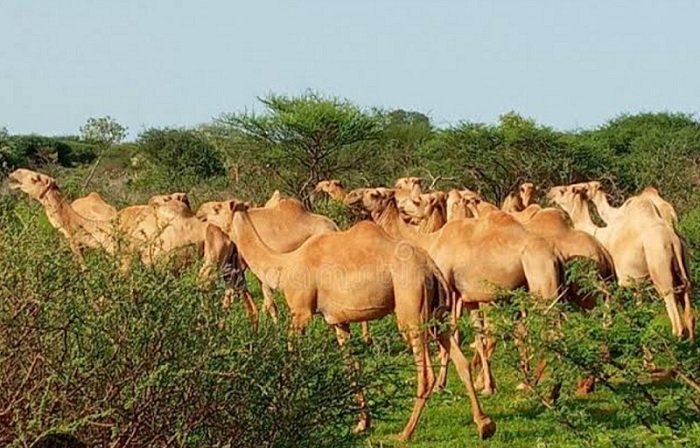
Afder Zone faces one of the harshest climates in Ethiopia. The area is semi-arid, with erratic rainfall patterns and frequent droughts. The 2021–2023 drought cycle devastated pastoral livelihoods, killing more than 115,000 livestock in Afder in just three months. As over 55% of Afder’s population relies almost entirely on livestock for survival, droughts trigger widespread hunger, displacement, and poverty.
Key points:
- Recurrent droughts erode traditional grazing systems.
- Soil degradation, desertification, and invasive shrubs reduce pasture quality.
- Climate change is intensifying extreme weather, making the situation worse.
Infrastructure and Physical Access
Afder suffers from severe infrastructure gaps that isolate it from progress:
- Road density is among the lowest in the Somali Region. Many woredas are cut off during the rainy season.
- Access to electricity and clean water remains minimal—less than 10% of households have reliable access to safe drinking water.
- Educational and health facilities are grossly insufficient, leaving large rural communities unreachable.
This lack of infrastructure blocks trade, restricts humanitarian aid delivery, and discourages investment.
Governance and Political Marginalization
Afder has been politically underrepresented at both the regional and federal levels, leading to decades of neglect:
- Low budget allocation and limited development projects have left the zone lagging behind other parts of Somali Region.
- Macroeconomic reforms in recent years (such as subsidy cuts and tightened monetary policies) have increased prices of fuel and food, disproportionately hurting remote pastoral zones like Afder.
- Weak administrative capacity and clan-based favoritism hinder fair distribution of aid and resources.
Security and Conflict
Afder’s development has been disrupted by conflict and insecurity:
- Inter-clan disputes over land and water resources, particularly in areas like Raso Woreda, have created long-standing instability.
- Border tensions with Afar Region and occasional cross-border incursions by al-Shabaab have displaced communities and diverted funds from development to security needs.
- Insecurity discourages private sector investment and hampers pastoralist mobility, further stressing livelihoods.
Economic Structure and Livelihood Constraints
Afder’s economy is almost entirely dependent on pastoralism:
- Livestock herding is the backbone of the economy, but recurrent droughts have repeatedly decimated herds.
- There is little to no diversification—few agro-pastoral projects, no industrial base, and minimal processing of local resources (e.g., salt, incense).
- Access to credit, banking, and microfinance is almost non-existent, trapping families in cycles of poverty.
Human Capital and Social Services
Human development indicators in Afder Zone are among the lowest in Ethiopia:
- Literacy rates remain extremely low—below 10% in many areas.
- School enrollment is minimal, particularly for girls, as there are too few schools and many children must walk long distances.
- Health care access is severely limited. Maternal and child mortality rates are among the worst in the Somali Region due to a lack of clinics, health workers, and outreach services.
Solutions and Recommendations
Reversing Afder’s underdevelopment requires multi-dimensional, long-term solutions:
Climate-Resilient Infrastructure
- Build deep wells, solar-powered boreholes, and rainwater storage systems.
- Expand soil and water conservation projects and introduce drought-resistant fodder and crops.
Roads and Physical Connectivity
- Construct all-weather roads to connect remote woredas to markets and health services.
- Improve transport links for trade, emergency aid, and investment opportunities.
Inclusive Governance
- Strengthen local government capacity and accountability.
- Ensure fair budget allocations and representation of Afder communities in regional planning.
- Combat corruption and ensure development projects are implemented transparently.
Economic Diversification
- Support agro-pastoral projects, salt and incense processing, and other local industries.
- Expand microfinance programs and mobile banking to serve pastoralist communities.
- Train youth in vocational skills (e.g., masonry, irrigation, IT, trade).
Health and Education
- Deploy mobile clinics and mobile schools to reach nomadic communities.
- Train local teachers and health workers to improve access to services.
- Prioritize maternal and child health, vaccination campaigns, and literacy programs.
Peacebuilding and Conflict Resolution
- Establish local mediation committees to resolve inter-clan disputes.
- Promote cross-border collaboration with Afar and Somali regions for shared resource use.
- Integrate conflict-sensitivity into all development projects to avoid fueling tensions.
Conclusion
Afder Zone’s underdevelopment is multi-faceted and deeply entrenched, but it is not inevitable. Its challenges stem from decades of environmental stress, infrastructure neglect, political marginalization, and economic vulnerability.
With coordinated, evidence-based interventions—combining climate resilience, infrastructure investment, economic diversification, governance reform, and peacebuilding—Afder can break free from its cycle of underdevelopment.
The time for urgent, sustained action from federal and regional governments, NGOs, and international partners is now—so that Afder Zone will no longer be left behind.
__
Mohamed Hassen Mohamed (Xareed) is based in Jigjiga, Somali Region. He can be reached at : xareedmo45@gmail.com
Editor’s Note : Views in the article do not necessarily reflect the views of borkena.com
Support Borkena : https://borkena.com/subscribe-borkena/
Join our Telegram Channel : t.me/borkena
Like borkena on Facebook
Add your business to Ethiopian Business Listing / Ethiopian Business Directory Business Listing Toronto
Join the conversation. Follow us on X (Formerly Twitter) @zborkena to get the latest Ethiopian News updates regularly. Subscribe to YouTube channel To share information or for submission, send e-mail to info@borkena.com