
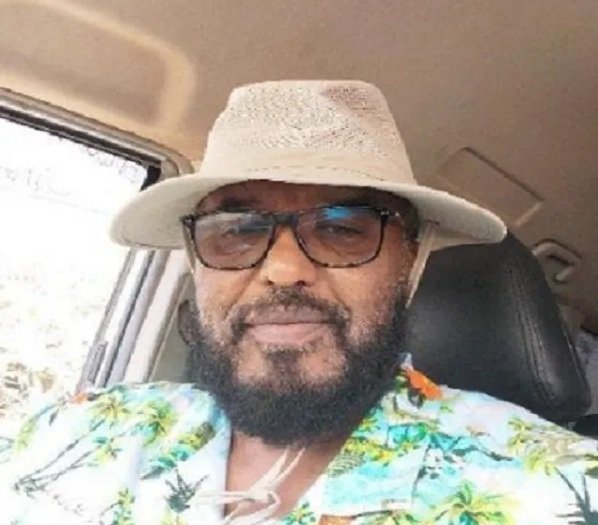
Eng.Abdi Ali Barkhad
Hargeisa, Somaliland
In Somaliland, July 1st is widely recognized as a “black day,” a sombre reminder of historical events that have deeply influenced its people’s identity and aspirations. The sentiments surrounding this date are rooted in a complex web of political and historical realities that continue to resonate today.
The Historical Background: The Union of 1960
On July 1, 1960, the former British Protectorate of Somaliland united with the Italian-administered Trust Territory of Somalia, leading to the establishment of the Somali Republic. While this day heralds a celebration of national independence in southern Somalia, many in Somaliland perceive it as the commencement of a tumultuous journey marked by betrayal and disillusionment.
1. The Beginning of Betrayal
The union was established hastily and lacked a well-defined framework or formal legal agreement, meaning that no ratified Act of Union was put in place. This absence of a structured agreement left Somaliland vulnerable, as their aspirations for equal representation and equitable power-sharing were quickly overshadowed. The initial optimism that accompanied the union faded as it became apparent that the terms favored southern Somalia.
2. Loss of Sovereignty
Somaliland had proudly declared its independence from British rule on June 26, 1960, earning recognition from more than 30 nations. Just five days later, this hard-won independence was relinquished in a union that would unravel rapidly. The citizens of Somaliland saw their autonomy compromised and their social and political frameworks destabilized, leading to feelings of betrayal and loss.
3. Decades of Marginalization
As the union progressed, Somaliland faced systemic marginalization. Northern leaders and institutions were sidelined as the southern regions dominated government positions, military leadership, and administrative roles. This immediate and widespread southern supremacy further exacerbated existing inequalities,promoting resentment and disenfranchisement among Somalilanders.
4. Tragedy and Civil War
The political disillusionment culminated in a devastating civil war during the late 1980s and 1990s, particularly under the oppressive regime of Siad Barre. This government launched a brutal campaign against the Somaliland populace, notably targeting the Isaaq clan. Tens of thousands were executed, and cities like Hargeisa , Erigabo ,Barbera,Gabilay. Shieck, and Burao endured bombardments by their own military. The trauma inflicted during this period remains vivid in the collective memory of Somaliland’s people, influencing their identity and sense of justice.
5. Rebirth in 1991
The disintegration of the Somali state in 1991 allowed Somaliland to reclaim its independence on May 18, marking a pivotal moment of rebirth. The people of Somaliland firmly rejected July 1st as a day of unity or celebration, instead choosing to commemorate their efforts to revive their sovereignty and distinguish their path from that of southern Somalia.
In Summary: A Collective Memory
For the people of Somaliland, July 1st symbolizes the painful loss of independence, a profound betrayal of trust, and the onset of significant suffering produced by an unjust and dysfunctional union. While southern Somalia celebrates this date, Somaliland regards it as a day of mourning, not out of animosity toward their fellow Somalis, but as a reflection of the political oppression and historical injustices they endured. This perspective is essential to understanding the intricate relationship between Somaliland and Somalia, as well as the enduring hope for recognition, justice, and an equitable future.
Engineer Abdi Ali Barkhad is a Somali Electrical engineer, political analyst, and writer known for his in-depth commentary on the politics of the Horn of Africa and international relations. He has published numerous articles analyzing current policies in the region and is a strong advocate for the cause of the Republic of Somaliland. He can be reached at : tra50526@gmail.com
Editor’s Note : Views in the article do not necessarily reflect the views of borkena.com
__
Subscribe : https://borkena.com/subscribe-borkena/
Join our Telegram Channel : t.me/borkena
Like borkena on Facebook
Add your business to Ethiopian Business Listing / Ethiopian Business Directory Business Listing Toronto
Join the conversation. Follow us on X (Formerly Twitter) @zborkena to get the latest Ethiopian News updates regularly. Subscribe to YouTube channel To share information or for submission, send e-mail to info@borkena.com
As your political activism resume indicated in your conclusion remark, what is your point view about confederation of all Somaliland’s.
Blessed day. thanks for sharing africa with us in the US. We see the majesty of East Africa and pray that leaders start living right and doing right like the Ethiopian Orthodox Christains does.