
By: Getahun Tsegaye
Staff Reporter
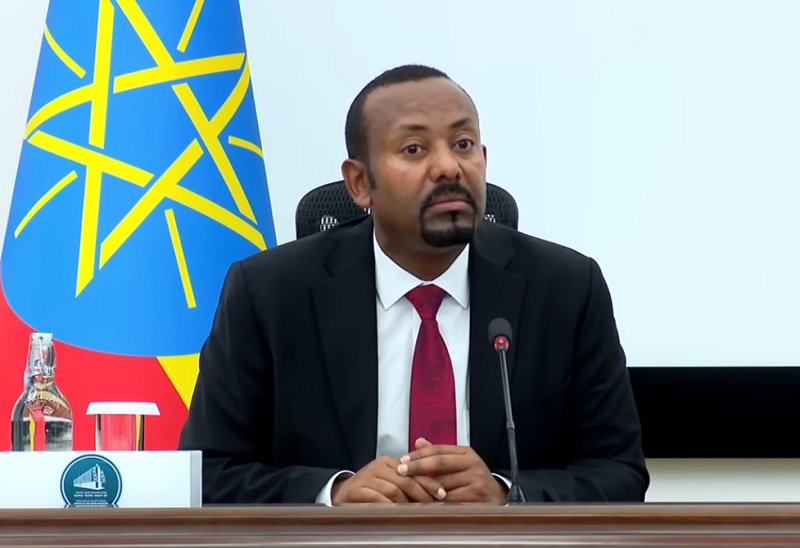
Addis Ababa, Ethiopia — Prime Minister Abiy Ahmed has called on Ethiopian media professionals to approach their duties with “humility, knowledge, wisdom, and diligence,” while emphasizing the critical role of journalism in nation-building and democratic development.
Speaking during yesterday’s televised roundtable discussion with representatives from both public and private media outlets, Abiy acknowledged the media’s constitutional role in questioning and criticizing authority. However, he also warned against what he described as the “dissemination of false information” and acts that could “contradict the national interest.”
“We want journalists to present the truth with humility and knowledge,” Abiy stated. “When the government falls short, it should be criticized, but it should be done with wisdom, for the sake of Ethiopia’s future.”
While the Prime Minister recognized the challenges media professionals often face—including harassment and limited access to information—he insisted these do not represent the official policy of the federal government.
“If a journalist is detained due to the fault of a government official, point out who is responsible. We will take legal action,” Abiy pledged, adding that officials should not obstruct the work of journalists who are properly identified and operating within the law.
Despite these reassurances, many in Ethiopia’s media sector remain skeptical. Accessing official information continues to be a significant challenge for journalists, particularly those in the private sector. Government institutions and officials often decline interviews or delay responses to information requests, making it difficult for media outlets to verify stories or report comprehensively.
“In practice, it’s extremely difficult to get cooperation from concerned government bodies,” said one Addis Ababa-based journalist, speaking anonymously due to safety concerns. “Officials are often unwilling to speak, and some fear backlash for giving interviews.”
Regarding capacity building, the Prime Minister admitted that past media training initiatives focused largely on state-affiliated journalists. He vowed to broaden inclusion going forward.
“Training has been given, but I think we focused on the government journalists,” Abiy said. “We’ll work on how to include the private media.”
Abiy also reiterated the government’s willingness to support journalism through legal reforms, training, and financial support—so long as media professionals uphold national interests.
Despite the Prime Minister’s conciliatory tone, concerns about media freedom in Ethiopia remain pressing. According to the Committee to Protect Journalists (CPJ), Ethiopia continues to be one of the more challenging environments for journalists in Africa.
In its 2024 report, CPJ documented the arrest of at least eight journalists in Ethiopia over a span of a few months, citing charges ranging from incitement to terrorism. Most were held without formal charges or denied access to legal counsel, raising alarm among international human rights organizations.
Incidents like the recent detention of journalist Tesfalem Waldyes, founder and editor-in-chief of the online media outlet Ethiopia Insider—although he was released a few days later—highlight the ongoing challenges facing the media landscape in Ethiopia. Several other journalists remain imprisoned in Kality and Qilinto Federal Prison in Addis Ababa, a facility that has previously held multiple media professionals under Ethiopia’s controversial Anti-Terrorism Proclamation. Rights groups argue that this law has been used to suppress dissent.
Among those detained is Dawit Begashaw, co-founder of Arat Kilo Media, who was arrested on April 12, 2023, in Bahir Dar, the capital of the Amhara region, and charged with terrorism. Similarly, Gobeze Sisay and Meskerem Abera—founder of Ethio Nikat Media—were both arrested in April 2023 in Addis Ababa and later charged with terrorism in June. Their cases are still under investigation and court review.
CPJ has also criticized Ethiopia’s frequent internet shutdowns, particularly during times of civil unrest or protests, calling them “a blunt instrument of censorship” that hampers media reporting and public access to information.
In a separate statement, CPJ urged the Ethiopian government to “cease the harassment of journalists, repeal or reform restrictive media laws, and allow the press to operate freely without fear of reprisal.”
Observers argue that while Abiy’s statements may reflect a desire to project openness, the gap between rhetoric and policy implementation remains wide.
“It’s encouraging to hear the Prime Minister speak about supporting the media,” said a local media analyst speaking anonymously to Borkena. “But unless there is meaningful reform—like stopping arbitrary arrests and ensuring access to information—it’s hard to take these promises at face value.”
The future of Ethiopia’s press freedom will depend not only on official pronouncements but on whether journalists can operate independently, without fear or obstruction.
Subscribe : https://borkena.com/subscribe-borkena/
Join our Telegram Channel : t.me/borkena
Like borkena on Facebook
Add your business to Ethiopian Business Listing / Ethiopian Business Directory Business Listing Toronto
Join the conversation. Follow us on X (Formerly Twitter) @zborkena to get the latest Ethiopian News updates regularly. Subscribe to YouTube channel To share information or for submission, send e-mail to info@borkena.com