
Ethiopian PM tells health care professionals “to find satisfaction in patient recovery rather than solely in financial incentives.”
By: Getahun Tsegaye
Staff Reporter
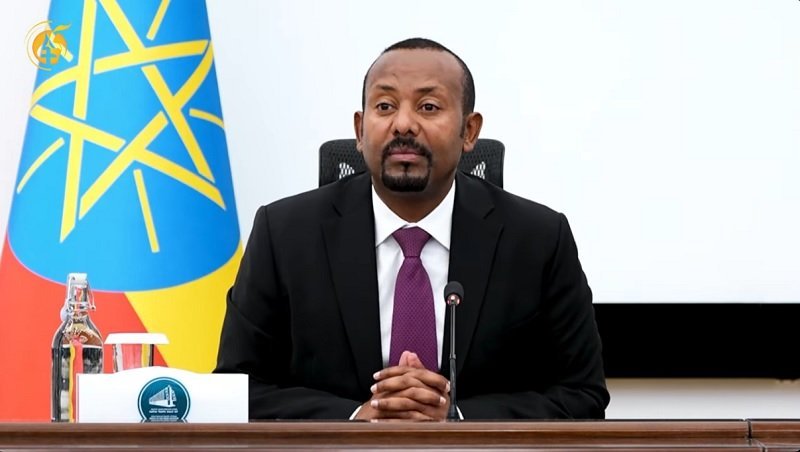
Addis Ababa, Ethiopia – Prime Minister Abiy Ahmed yesterday held a discussion with some Ethiopian healthcare professionals. The discussion came amidst a nationwide healthcare strike demanding for a livable salary now in its fourth week. He emphasized on “the importance of ethical conduct and commitment.”
In the televised discussion, the Prime Minister acknowledged the diverse nature of the profession. He also alleges that while many uphold their oaths, there are also individuals who shirk their responsibilities and compromise patient well-being. He makes it sound that they are shrugging their responsibility out of a business interest when he alleges “Machines we purchase for government hospitals break down every 15 days. They break down to send people to private hospitals. I hope you won’t tell me the patient is the one who spoils them.” However, he linked it to some professional health care providers.
He also stressed that the government’s significant investments in healthcare infrastructure, including the construction of “six thousand health facilities” in recent years and a total of approximately 22,000 governmental health facilities, will not yield expected changes without the understanding and support of healthcare professionals. He urged providers “to find satisfaction in patient recovery rather than solely in financial incentives.”
Looking ahead, he predicted increased competition from the private sector leading to higher pay for healthcare providers, with the government also striving to offer incentives to retain professionals. However, he stated that, for the time being, healthcare professionals are “doomed to make sacrifices” and are compelled to “lead Ethiopia through hardship.”
The Prime Minister’s address comes at a critical juncture as Ethiopian healthcare professionals have been engaged in an unprecedented nationwide strike since May 13, 2025. This unified action stems from long-standing grievances. These primarily include low wages, with general practitioners reportedly earning as little as 10,000 to 15,000 Birr (approximately $70 to $100 USD) per month, and specialists only slightly more. Doctors are demanding a decent salary citing the high cost of living and their educational investment. Additionally, poor working conditions are a significant concern, with healthcare workers facing inadequate supplies, a lack of essential medicines, and overcrowded facilities.
A 2025 study by ActionAid reportedly found that 95% of healthcare workers lack essential tools. The strike also highlights a lack of legal protection and safety, with reports of mistreatment, harassment, arbitrary detentions, and even deaths of medical personnel, particularly in conflict-affected regions. Over 200 healthcare workers have reportedly been detained of whom the majority of them are released since the strike began. Furthermore, professionals cite years of unfulfilled government promises regarding improved pay and conditions, leading to widespread skepticism.
The government’s response to the strike has drawn criticism from health professionals and human rights organizations. This includes arrests and intimidation, with over 200 healthcare workers reportedly detained, some facing charges of “inciting riot and unrest” and “collaborating with anti-peace forces.” There are also reports of police raids, forced evictions from university dormitories, and threats to revoke licenses. State Minister Dereje Duguma has warned that continuing the strike could jeopardize professional licenses. While the Ministry of Health has acknowledged the protests and stated it is drafting “short, medium, and long-term plans to address the professionals’ concerns,” including non-salary incentives, many in the medical community remain skeptical.
Some government officials have reportedly labeled striking doctors as “traitors” or “agents of opposition groups”, attempting to undermine the legitimacy of their demands. The strike has severely strained the nation’s healthcare system, with public hospitals operating with minimal staff and many essential medical services suspended, leading to patients being turned away and delays or cancellations of routine surgeries and critical care services.
The Ethiopian Human Rights Commission (EHRC) has urged dialogue between the government and healthcare professionals, cautioning that responses to the strike “must not lead to human rights violations.” Professional associations, including the Ethiopian Health Professionals Association (EHPA), have called for the immediate release of detained health professionals and protection of their right to organize and protest.
Edited by Dimetros Birku
Subscribe : https://borkena.com/subscribe-borkena/
Join our Telegram Channel : t.me/borkena
Like borkena on Facebook
Add your business to Ethiopian Business Listing / Ethiopian Business Directory Business Listing Toronto
Join the conversation. Follow us on X (Formerly Twitter) @zborkena to get the latest Ethiopian News updates regularly. Subscribe to YouTube channel To share information or for submission, send e-mail to info@borkena.com