
Eng. Abdi Ali Barkhad
Hargeisa, Somaliland
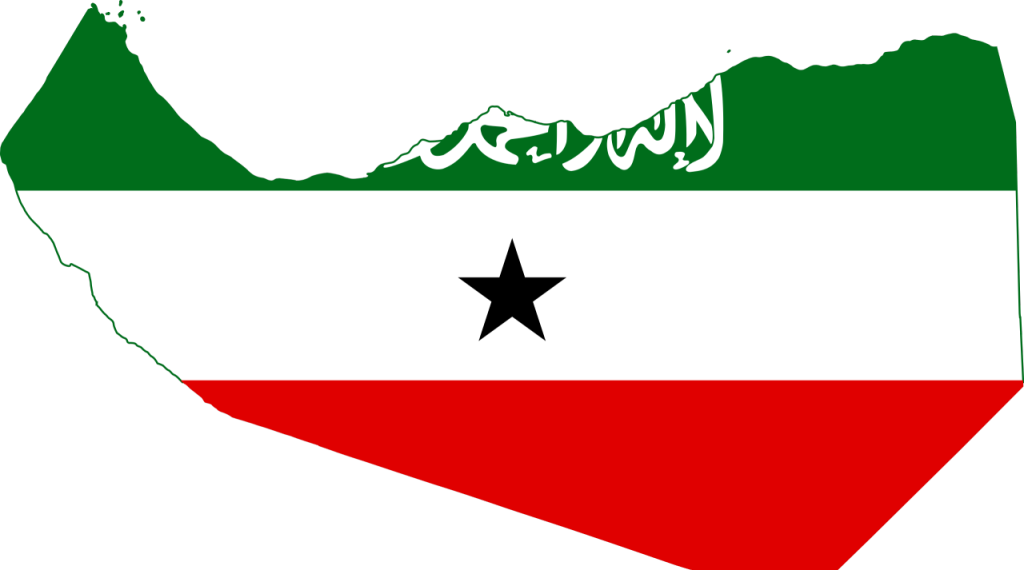
Acknowledging Somaliland’s status as an independent entity would not only reward its commitment to democratic governance but also significantly contribute to stability in a region known for its volatility. Somaliland has demonstrated a sustainable political framework, characterized by regular elections and a strong civil society, which sets it apart from neighboring areas experiencing conflict. By recognizing Somaliland, the international community would reinforce positive governance practices and encourage other regions to pursue similar democratic reforms, ultimately promoting peace and security in the Horn of Africa. This recognition could serve as a stabilizing factor, potentially reducing the influence of extremist groups that thrive in unstable environments.
That’s a compelling argument. The fear that recognizing Somaliland would set a precedent for other separatist movements—the so-called “Pandora’s Box” argument—often overlooks the unique historical, legal, and political context that defines Somaliland’s case. Unlike many unrecognized regions that pursue secession, Somaliland’s situation is rooted in a complex history. When Somaliland united with Somalia in 1960, it did so under the premise of creating a unified state, but that union devolved into chaos and civil war. Following the collapse of the Somali Republic in 1991, Somaliland restated its independence, a move driven not merely by a desire to separate but to restore its historical sovereignty that had been compromised during the union. This distinction is significant: Somaliland’s claim to statehood is framed as a restoration of rights rather than a unilateral secession from an established state framework. Thus, recognizing Somaliland may not set a precedent for similar movements, as its case is intertwined with a distinct narrative of self-determination and governance rooted in a specific historical context.
Furthermore, granting international recognition to Somaliland would serve as a significant acknowledgment of its decades-long commitment to democratic governance, social stability, and economic progress. This is particularly striking when juxtaposed with the ongoing turmoil and instability that has plagued Somalia for many years. Unlike Somalia, which has struggled with civil conflict and governance challenges, Somaliland has successfully established a functioning government, built strong political institutions, and maintained relative peace since regaining independence in 1991.
Recognizing Somaliland would not only reward these achievements but also provide a powerful example in a region often marked by conflict. By reinforcing a model where effective governance, peace, and democratic principles are recognized and internationally supported, the act of recognition could serve to inspire neighboring regions. It could also promote greater stability in the Horn of Africa by demonstrating that constructive pathways to governance and development are possible and worthy of international backing. Such a move could encourage other regions in similar predicaments to pursue peaceful and democratic solutions rather than resorting to chaos.
Somaliland has the potential to serve as a crucial economic gateway for Ethiopia and South Sudan, countries with a combined population of approximately 135 million people. These nations face significant challenges due to their landlocked status, lacking direct access to ports and the sea. By leveraging Somaliland’s strategic coastal location and developing its ports, we can facilitate trade and improve economic connectivity for our friendly neighbors. This partnership would not only enhance regional trade dynamics but also drive investment and create job opportunities, ultimately benefiting the populations of both Ethiopia and South Sudan.
The writer describes himself as retired electrical engineer and independent political Analyst based in Hargeisa , Somaliland. He can be reached at : tra50526@gmail.com
Editor’s Note : Views in the article do not necessarily reflect the views of borkena.com
__
Subscribe: https://borkena.com/subscribe-borkena/
Join our Telegram Channel : t.me/borkena
Like borkena on Facebook
Add your business to Ethiopian Business Listing / Ethiopian Business Directory
Join the conversation. Follow us on X (Formerly Twitter) @zborkena to get the latest Ethiopian News updates regularly. Subscribe to YouTube channel To share information or for submission, send e-mail to info@borkena.com
Somaliland is not a genuine democracy. Its politics are purely based on clannism. People do not vote based on ideas and policies. They only vote based on clans and subclans. This is why the world will never recognize Somaliland. People know the truth behind Somaliland. It is an Isaaqist clannist project.
Blessed love Public Writer of Borenka.
I would like to speak with you about Africa. I am Empress Nia Imani a member of the Ethiopia Africa Black International Congress. This is a human rights and Rastafari organization. I sent you an email